
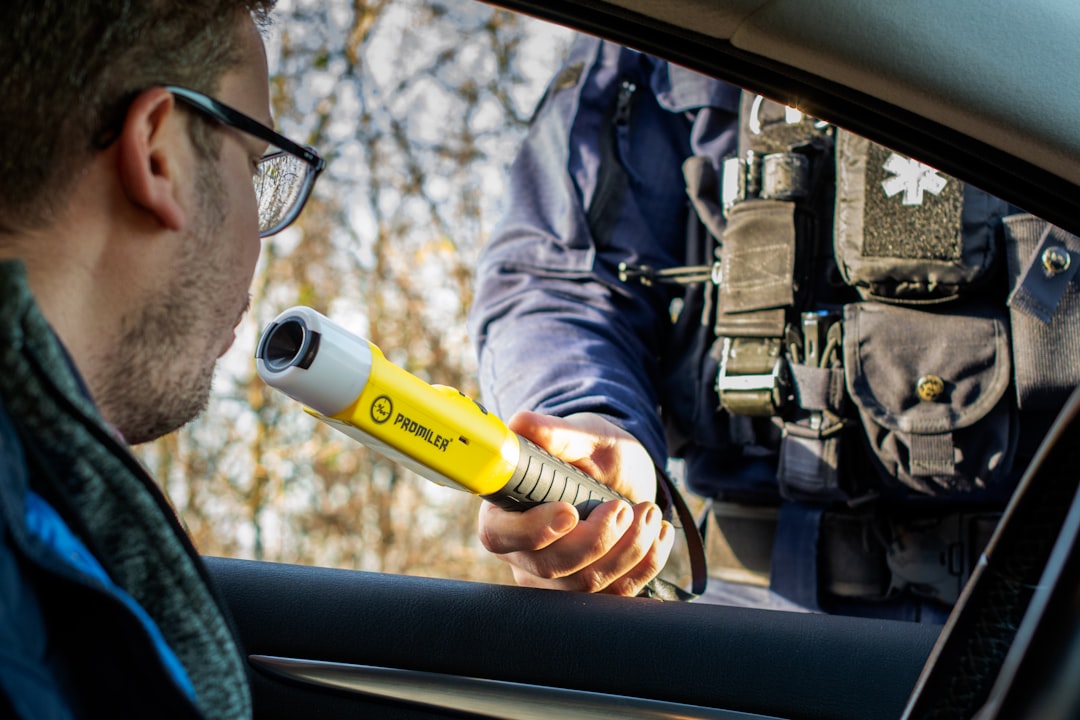
New Zealand's new roadside drug testing law - which tests for presence, not impairment - is drawing fierce criticism from medical cannabis patients who could be banned from driving despite using legally prescribed medication.
The law mirrors Australia's controversial system, which has faced years of criticism for being scientifically flawed and unjust. Why is New Zealand copying Australia's mistakes instead of learning from them?
The roadside drug testing regime, rolling out across New Zealand in 2026, uses saliva tests to detect the presence of cannabis, methamphetamine, and other drugs. If the test is positive, drivers face an immediate 12-hour driving ban and infringement notice - before any assessment of actual impairment.
Medical cannabis patients are particularly affected. New Zealand legalized medical cannabis in 2020, allowing doctors to prescribe cannabis products for chronic pain, epilepsy, and other conditions. Thousands of Kiwis now legally use cannabis oil or other products as prescribed medication.
But the roadside testing law makes no practical distinction between impaired driving and legal medication use. Cannabis can remain detectable in saliva for hours or even days after use, long after any psychoactive effects have worn off. A patient who used cannabis oil the night before could test positive the next afternoon despite being completely sober.
The result is that legal medical cannabis users face being pulled over, tested, banned from driving for 12 hours, and issued infringement notices - all while using medication exactly as prescribed. They can raise a medical defense afterward, but only after the infringement and driving ban have already disrupted their lives.
One Wellington patient posted on Reddit: "I use prescribed cannabis oil for chronic pain. I take it at night before bed. Now I'm worried I'll test positive driving to work the next morning, get banned from driving, and have to pay for an uber home. How is this fair?"
The question of fairness is complicated. Nobody disputes that impaired driving is dangerous and should be illegal. THC, the psychoactive component of cannabis, does impair driving ability. Testing for impairment makes sense.
But testing for presence rather than impairment creates obvious problems. Cannabis metabolites remain in the body long after impairment has passed. Unlike alcohol, where blood alcohol content correlates reasonably well with impairment, THC presence doesn't indicate current impairment.
That's why researchers and drug policy experts have criticized presence-based testing for years. It catches people who aren't actually impaired, while potentially missing people who are impaired by drugs that clear the system quickly.
Australia has used roadside drug testing based on presence, not impairment, for over a decade. The system has been controversial throughout. Medical cannabis patients, truck drivers, and civil liberties advocates have all raised concerns about false positives, arbitrary enforcement, and the lack of scientific validity.
Multiple Australian court cases have challenged the system, with mixed results. Some judges have ruled that drivers using legal prescribed medication shouldn't face penalties. Others have upheld the strict liability approach, arguing that drug presence alone justifies sanctions.
The human cost has been significant. People lose licenses, face fines, and have criminal records for driving while not impaired. Truck drivers who use legal CBD products (which contain trace amounts of THC) have been caught despite being completely sober. And the testing regime has done little to actually reduce drug-impaired driving, according to some research.
New Zealand had an opportunity to learn from Australia's experience and design a better system. Options included impairment-based testing, medical exemptions that work before the driving ban (not after), or higher detection thresholds that filter out non-impairing residual drug presence.
Instead, New Zealand copied Australia's flawed model almost exactly. The result will likely be the same: legal medical cannabis users caught in a system that doesn't distinguish between medicine and impairment, facing penalties for being lawful patients.
There are also equity concerns. Medical cannabis patients tend to be people with chronic health conditions, disabilities, or serious illnesses. Many already face limited mobility options. Banning them from driving based on drug presence rather than impairment further restricts their independence and quality of life.
The law also creates perverse incentives. Some patients may stop using prescribed medication to avoid testing positive, even though the medication improves their health. Others may switch to opioids or other pharmaceuticals that aren't tested for, even though those drugs can be more impairing.
Enforcement patterns also raise concerns. Roadside drug testing is discretionary - police choose which drivers to test. Research from Australia suggests certain demographics and areas are tested more frequently, raising questions about bias and profiling.
New Zealand police have said the law aims to reduce drug-impaired driving and improve road safety. That's a legitimate goal. But using a testing regime that doesn't actually measure impairment undermines that goal.
What New Zealand needed was a system that tests for impairment, not just presence. Technology exists to do this - eye-tracking tests, cognitive assessments, and behavioral observations can all indicate impairment more reliably than saliva tests for drug presence.
But those systems require more training, more officer time, and more sophisticated technology. Saliva tests are quick and cheap, which is why governments prefer them. The cost is borne by drivers who test positive despite not being impaired.
For medical cannabis patients, the message is clear: your legal medication makes you a target for enforcement, regardless of whether you're actually impaired. That's not road safety policy. That's a moral purity test dressed up as law enforcement.
Mate, New Zealand had a chance to do better than Australia on this. Instead, they copied a system that's been criticized for years, ignored the evidence, and set up their own medical cannabis patients to face arbitrary penalties. It's archaic policy masquerading as road safety.