
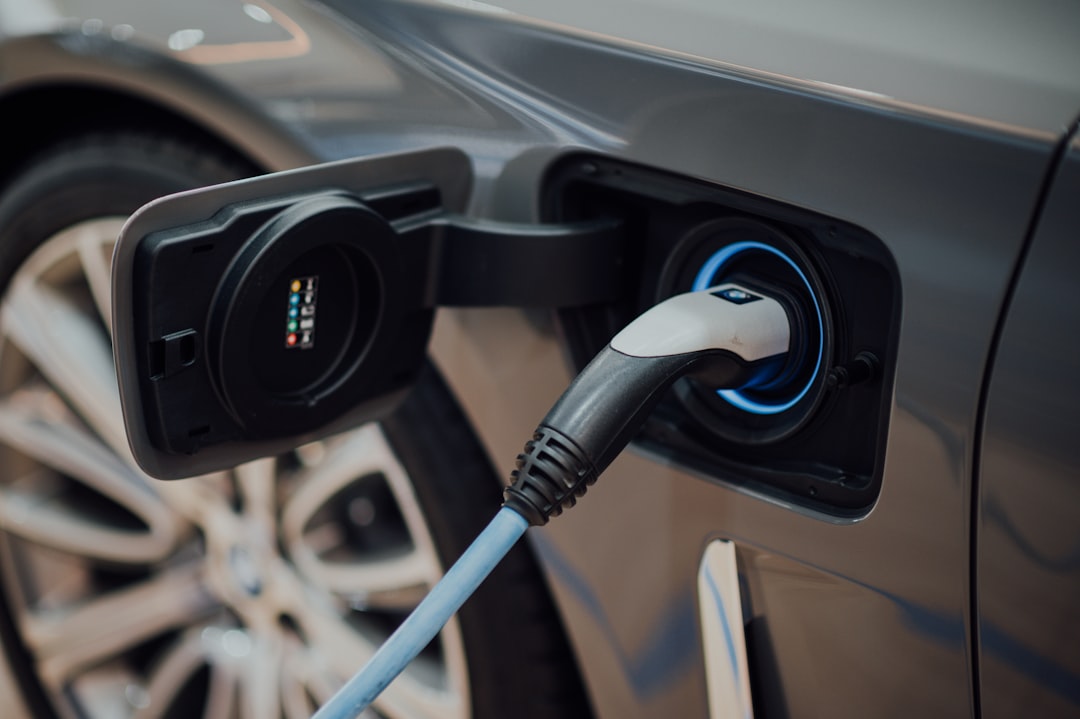
New Zealand's electric vehicle sales have plummeted since the Coalition Government cancelled the Clean Car Discount, with new data exposing the policy failure just as petrol prices soar and fuel security becomes a national concern.
The timing couldn't be worse. As Kiwis face potential fuel shortages and surging prices due to the Iran crisis, the decision to kill EV subsidies looks increasingly short-sighted.
Mate, you'd think the government might have anticipated that making it harder to buy electric vehicles would backfire the moment petrol becomes scarce and expensive. But here we are.
Government ministers promised that "supercharging EV charging infrastructure" would have a "much more long-term impact" than subsidies. Instead, sales have collapsed and New Zealanders are stuck in petrol queues wondering what happened to the transition plan.
Data from industry analysts shows a dramatic drop in EV sales following the subsidy cancellation. Where electric vehicles were gaining market share under the Clean Car Discount, that progress has reversed sharply under the new policy settings.
The Coalition Government, led by Prime Minister Christopher Luxon, argued the subsidy scheme was fiscally unsustainable and unfairly benefited wealthy buyers. Finance Minister Nicola Willis claimed that infrastructure investment would drive long-term adoption more effectively.
But the sales data tells a different story. Without financial incentives, EV uptake has stalled just as the cost of running petrol vehicles has surged. The policy miscalculation leaves New Zealand more vulnerable to fuel supply disruptions.
Online commentators have been savage in their criticism. "We were told charging infrastructure would drive EV uptake. How's that working out?" one social media user asked. Another quipped about cutting holes in the floor of their ute to run like the Flintstones, capturing the dark humor of the moment.
The infrastructure argument, while having some merit, ignored a fundamental reality: upfront cost remains the biggest barrier to EV adoption for most buyers. Charging stations are useful, but not if people can't afford the vehicles to charge.