Israeli Prime Minister Benjamin Netanyahu removed Spain from the Gaza humanitarian coordination centre, citing Spanish "hostility" following Madrid's recognition of Palestinian statehood and vocal criticism of Israeli military operations, deepening the rift between Jerusalem and several European capitals in ways that may strengthen Spanish moral authority even as it reduces practical influence.
The decision, announced Thursday by the Prime Minister's Office, terminates Spanish participation in mechanisms coordinating aid delivery, security arrangements, and reconstruction planning for Gaza. Spain had been among the few European nations actively involved in ground-level coordination since the current conflict began.
According to Al Jazeera, the Israeli statement referenced Madrid's "systematic hostility toward the State of Israel" and claimed Spanish participation had become "incompatible with effective humanitarian operations." Spanish officials immediately disputed this characterization.
"Spain's commitment to Palestinian rights and humanitarian law does not constitute hostility," Foreign Minister José Manuel Albares responded. "It constitutes basic decency. We will continue supporting Gaza's population through alternative channels."
To understand today's headlines, we must look at yesterday's decisions. Spain has emerged as one of Israel's sharpest European critics, formally recognizing the State of Palestine and calling for international investigations into alleged war crimes in Gaza. Madrid's positions align with international law interpretations that Jerusalem rejects.
The diplomatic rupture follows Spain's rejection of NATO operations in the Strait of Hormuz and Prime Minister Sánchez's call for a European army, suggesting a coordinated Spanish strategy to assert independent foreign policy positions diverging from both American and Israeli preferences.
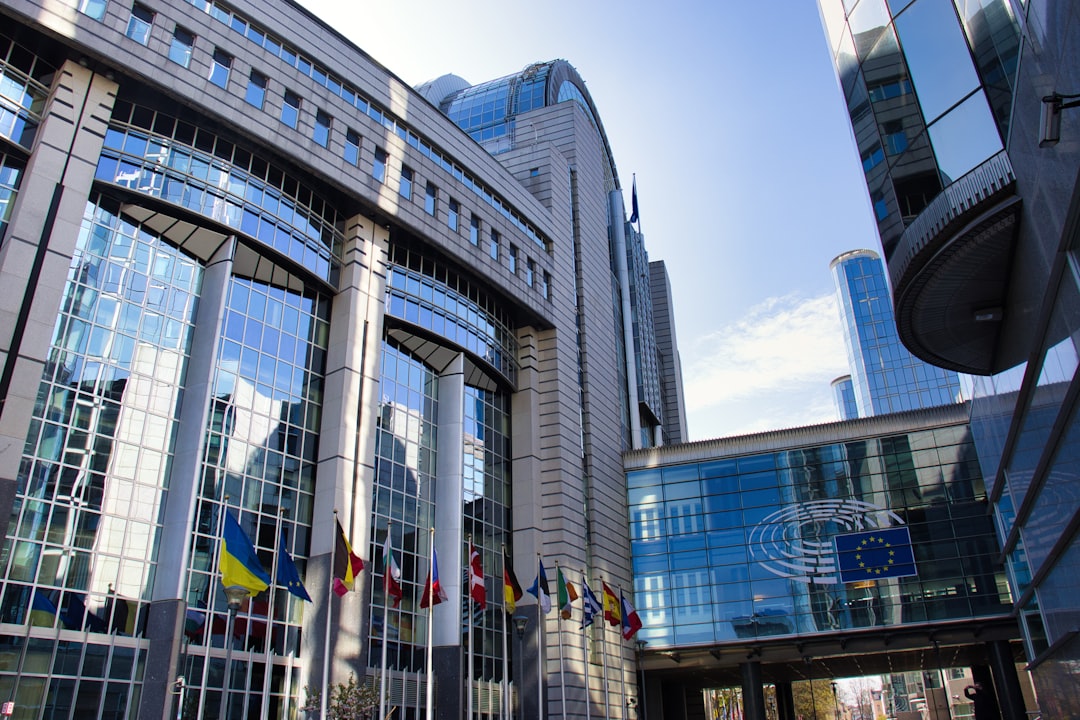
European Union officials expressed concern about Netanyahu's decision, with several member states questioning whether excluding willing humanitarian partners serves Gaza's civilian population. The High Representative for Foreign Affairs issued a statement emphasizing that humanitarian coordination should transcend political disagreements.
Practical consequences remain unclear. Spain has provided significant humanitarian funding and technical expertise to Gaza reconstruction efforts, but operates through international organizations rather than direct bilateral channels. Israeli exclusion from coordination mechanisms limits Spanish influence over implementation but does not prevent funding or technical support.
Humanitarian organizations working in Gaza privately expressed frustration to this correspondent about politicization of coordination mechanisms. The already complex task of delivering aid in an active conflict zone becomes more difficult when participant countries face expulsion based on political positions.
"Humanitarian coordination should be about logistics and needs, not political litmus tests," said a senior UN official speaking anonymously. "Every exclusion makes our work harder and Gaza's population suffers the consequences."
The incident highlights fundamental tensions in Israeli foreign policy. Netanyahu's government has adopted increasingly confrontational approaches toward critics, even those providing tangible support to Palestinian humanitarian needs. Whether this strategy effectively defends Israeli interests or merely isolates Jerusalem diplomatically remains contested.
Historical context shows that Israel has periodically reduced cooperation with European partners over political disagreements, though rarely with countries actively providing humanitarian assistance. The Spanish exclusion suggests Netanyahu prioritizes political signaling over practical coordination.
Spanish officials indicated they will channel Gaza support through European Union mechanisms and direct partnerships with Palestinian authorities, bypassing Israeli coordination entirely. This approach may actually increase Spanish influence by freeing Madrid from Israeli veto power over specific projects.
The timing carries particular significance as Netanyahu faces renewed domestic pressure over his handling of the conflict and ongoing corruption trial. Confronting European critics plays well with the prime minister's right-wing coalition base, but risks deepening Israel's international isolation.
European diplomatic sources told this correspondent that the Spanish exclusion may accelerate broader EU reconsideration of cooperation with Netanyahu's government. Several member states have questioned whether current Israeli policies merit the preferential treatment Jerusalem has historically enjoyed in Brussels.
The incident also illustrates how Netanyahu's combative approach toward critics affects Israel's strategic position. Spain is neither a major military power nor critical to Israeli security, but it holds significant influence in Latin America and among developing nations where Israel seeks diplomatic support.
By excluding Spain from Gaza coordination, Netanyahu may inadvertently strengthen Madrid's moral authority on Palestinian issues. Spanish officials can now claim they sought constructive engagement but faced Israeli rejection, reinforcing their criticism as principled rather than hostile.
Whether this calculation serves Israeli interests depends on whether symbolic defiance of critics outweighs practical diplomatic costs. Netanyahu has consistently chosen the former over the latter, believing that firmness against critics demonstrates strength to domestic audiences and regional adversaries.
As Gaza's humanitarian situation remains dire and reconstruction needs overwhelming, the politicization of coordination mechanisms raises questions about whether any parties prioritize Palestinian welfare over diplomatic signaling. Spain's exclusion will not end humanitarian operations, but it eliminates one channel through which aid might flow more efficiently.
The coming weeks will reveal whether other European nations face similar exclusion or whether Spain represents a special case due to particularly vocal criticism. But the precedent has been established: humanitarian coordination participation can be revoked based on political positions, regardless of actual contribution to Palestinian welfare.