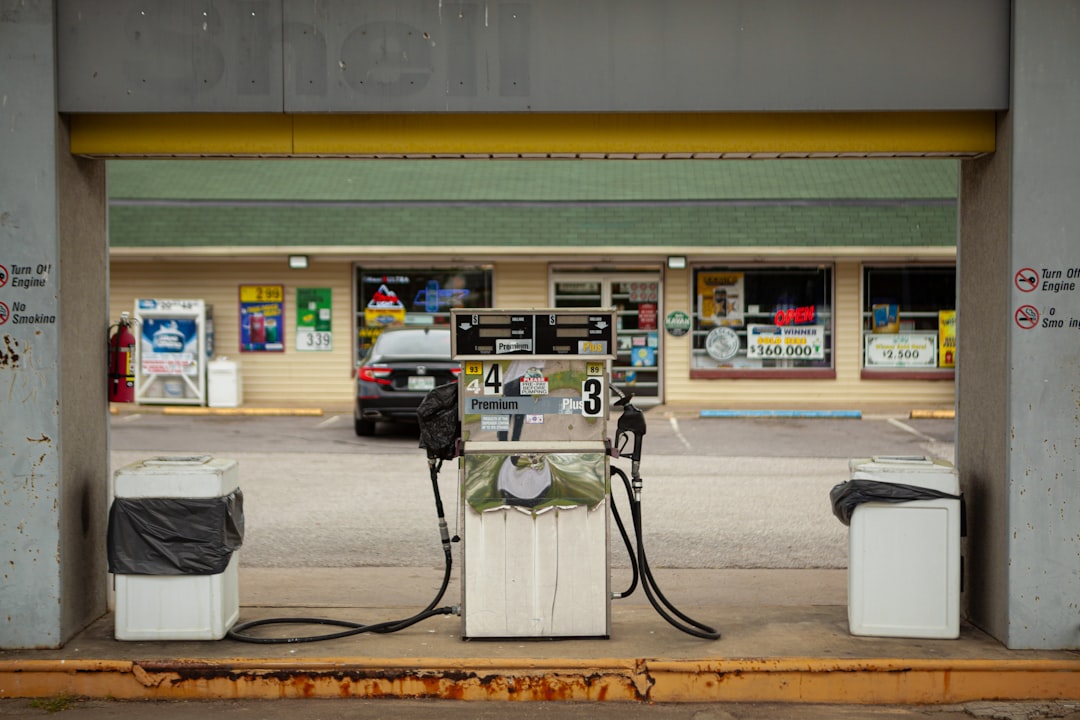
Five hundred Irish petrol stations face fuel depletion within hours as protesters blockade distribution terminals, according to the BBC, with the crisis over fuel taxes threatening to paralyse the Republic at a moment of economic uncertainty and revealing the fragility of just-in-time distribution systems that modern economies depend upon.
Protester groups have established blockades at key fuel terminals in Dublin, Cork, and Galway since Tuesday, preventing tanker trucks from distributing petrol and diesel to retail stations across the country. Retailers' associations warn that current stocks will exhaust by Friday evening if blockades continue.
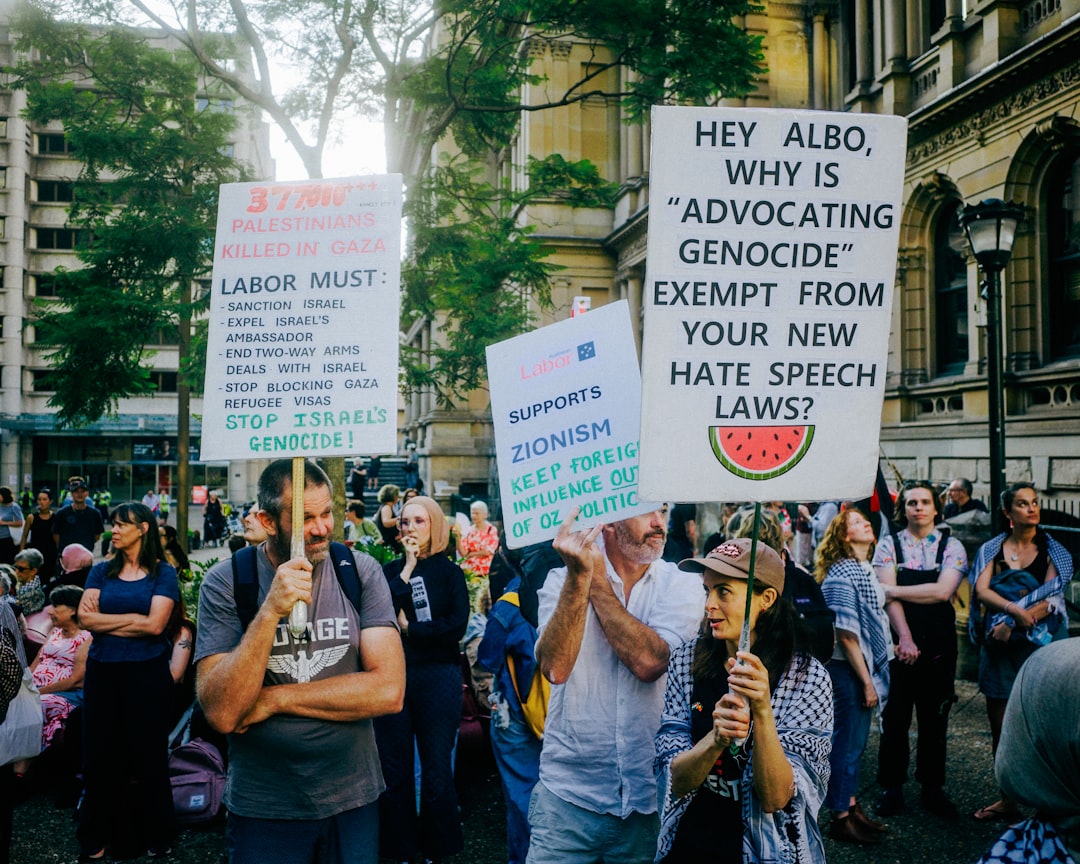
The protests reflect broader European cost-of-living pressures and energy security concerns, connecting Irish grievances to similar demonstrations that have disrupted France, Belgium, and Netherlands in recent months. The common thread: populations resisting inflation-driven tax policies that governments claim are necessary for fiscal sustainability.
"The government has pushed ordinary people too far," said Michael O'Brien, a spokesperson for the Irish Truckers and Haulage Association Against Fuel Taxes, one of several groups organizing the blockades. "We can't afford to live, we can't afford to work. Something has to give."
To understand today's headlines, we must look at yesterday's decisions. Ireland's fuel taxes rank among Europe's highest, a legacy of both environmental policy and revenue generation. Recent increases intended to meet EU climate commitments and fund public services have coincided with broader inflation, creating compounding pressures on household budgets.
The Irish government faces a difficult balancing act. Backing down on fuel taxes would create fiscal gaps and potentially undermine climate commitments. Maintaining current policy risks extended protests that could paralyse economic activity and erode political support.
Prime Minister Leo Varadkar has offered to meet protest leaders but ruled out immediate tax reversals, calling such demands "fiscally irresponsible" and warning that fuel tax revenues fund healthcare, education, and infrastructure that protesters themselves depend upon.
The blockades' effectiveness demonstrates modern economies' vulnerability to disruption of critical infrastructure. Just-in-time distribution systems minimize inventory costs but create single points of failure. Blocking a few terminals can rapidly cascade into nationwide shortages.
Emergency services and essential workers receive priority fuel allocations, but implementation proves challenging. Queues at operational stations have grown dramatically, with some motorists waiting hours to fill tanks as panic buying accelerates stock depletion.
Historical precedent suggests fuel protests can quickly escalate beyond initial grievances. The 2000 UK fuel protests nearly brought down Tony Blair's government despite Labour's massive parliamentary majority, demonstrating how disruption of essential goods generates political pressure regardless of underlying policy merits.
Irish police have declined to forcibly remove blockades, citing concerns about public safety and potential violence. This restraint reflects lessons from French Yellow Vest protests, where aggressive police responses inflamed rather than resolved demonstrations.
Economic impacts extend beyond fuel distribution. Businesses dependent on road transport face operational disruptions, while retail and hospitality sectors report declining revenues as consumers reduce travel. The Irish Business and Employers Confederation estimates economic costs at €50 million daily if blockades continue.
European Union officials have offered no comment on Ireland's domestic crisis, though similar protests across member states have prompted Brussels discussions about coordinating fuel tax policies. The fundamental tension between climate commitments and cost-of-living concerns affects every European government.
The protests also reveal class dimensions of climate policy. Wealthier urban residents can more easily absorb fuel price increases or switch to electric vehicles, while rural and working-class populations dependent on internal combustion engines for livelihoods bear disproportionate costs.
"This isn't about denying climate change," explained Sarah Murphy, a rural delivery driver participating in the Cork blockade. "It's about who pays the costs of transition. Right now, it's the people who can least afford it."
Political opposition parties have largely supported the protests while maintaining some distance from tactics. Sinn Féin called for emergency parliamentary sessions to address fuel tax policy, while smaller parties have joined demonstrations directly.
The crisis comes as Ireland navigates post-Brexit economic relationships and adapts to shifting European energy markets. Dependencies on imported petroleum leave the country vulnerable to supply disruptions, while renewable energy transition remains incomplete.
Whether the government can resolve the crisis through negotiation or must eventually use force to clear blockades remains uncertain. Each passing day without resolution increases economic costs and political pressure for action.
International observers watch closely, as successful protest strategies in one country often spread to others. If Irish demonstrators achieve concessions through blockades, similar tactics could proliferate across Europe as populations resist inflation-driven policy adjustments.
As fuel supplies dwindle and economic pressure mounts, the coming hours will determine whether Ireland finds compromise or faces extended paralysis. The fundamental questions raised by the protests, about who bears costs of climate transition and how governments balance environmental and economic imperatives, extend far beyond Irish borders.