
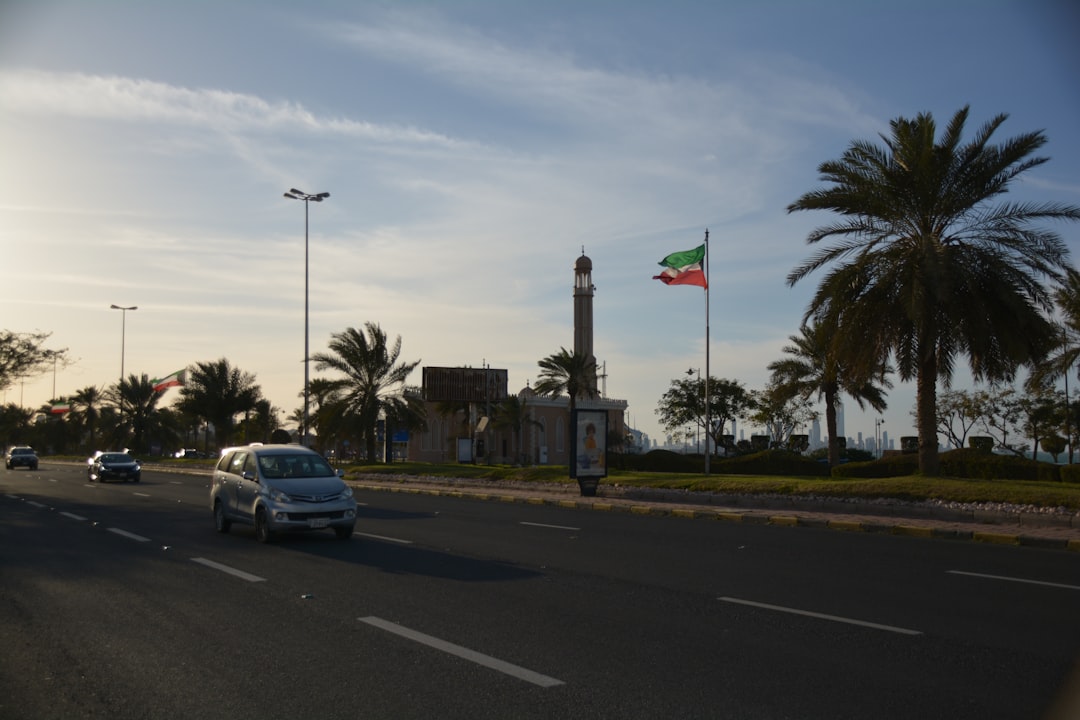
Iran's attack on Kuwaiti military installations represents the first direct strike against a Gulf Arab state in the current conflict, according to Reuters, signaling a dangerous expansion of the war beyond Israeli targets and threatening the fragile regional diplomatic architecture that has kept Arab states largely neutral in the Iran-Israel confrontation.
The Kuwaiti government confirmed Thursday that Iranian missiles struck National Guard facilities in multiple locations, causing an undisclosed number of casualties. The attacks occurred during the same Iranian barrage that targeted Israeli military installations, but the inclusion of Kuwait represents a significant escalation in Tehran's targeting calculus.
Kuwait has maintained careful neutrality in the Iran-Israel conflict, hosting neither American combat forces nor participating in coalition operations against Tehran. The emirate's long-standing policy of balancing relations with all regional powers makes it an unusual target for Iranian military action.
Kuwaiti officials described the strikes as potentially mistaken, resulting from Iranian missiles overshooting Israeli targets or technical malfunctions during flight. However, American intelligence assessments shared with this correspondent suggest at least some missiles deliberately targeted Kuwaiti military infrastructure.
"Whether intentional or accidental, the effect is the same," a senior Gulf Arab diplomat told this reporter. "Iran has now attacked a country that took no hostile action against it. That changes the political equation dramatically."
To understand today's headlines, we must look at yesterday's decisions. Gulf Arab states have walked a delicate diplomatic tightrope throughout the Iran-Israel conflict, quietly supporting American and Israeli objectives while maintaining public neutrality to avoid Iranian retaliation. The Kuwait strike threatens to collapse that careful balance.
Saudi Arabia, United Arab Emirates, and other Gulf Cooperation Council members have faced pressure from Washington and Tel Aviv to actively oppose Iran, but have resisted joining military coalitions or allowing their territory to be used for strikes against Iranian targets. The calculation has been that neutrality provides protection.
If Iran strikes neutral countries regardless of their position, that calculation fails. Gulf states may conclude that neutrality offers no protection and that actively joining anti-Iranian coalitions provides at least the benefit of American security guarantees and advanced missile defense systems.
Alternatively, the strikes could push Gulf Arabs toward accommodation with Tehran, calculating that American security commitments have proven unreliable and that regional coexistence with Iran remains essential regardless of temporary conflicts.
Military analysts note that Kuwait's National Guard facilities house critical infrastructure for internal security rather than external defense. Targeting them suggests either poor Iranian intelligence or deliberate messaging that no Gulf state is beyond Tehran's reach.
The incident occurs as Vice President JD Vance conducts peace negotiations with Iran in Pakistan. The Kuwait strikes complicate those discussions by expanding the list of parties requiring satisfaction before comprehensive settlement becomes possible.
Gulf Cooperation Council foreign ministers convened emergency consultations Thursday, though no public statement emerged. Diplomatic sources indicated deep divisions between members favoring strong condemnation of Iran and those urging restraint to avoid further escalation.
Kuwait's position carries particular complexity due to its history. Iraqi invasion in 1990 remains a defining national trauma, with liberation achieved through American-led coalition intervention. That history creates both gratitude toward Washington and acute awareness of vulnerability to larger neighbors.
The emirate hosts Camp Arifjan, one of the largest American military installations in the Middle East, though it serves primarily logistical rather than combat functions. Iranian strikes near such facilities raise questions about whether Tehran seeks to pressure Kuwait to reduce American presence.
Israeli officials have seized on the Kuwait attacks as vindication of their warnings about Iranian aggression threatening the entire region, not just Israel. Prime Minister Benjamin Netanyahu called for unified regional response to Iranian "terrorism," though prospects for Israeli-Arab military cooperation remain limited.
Historical precedent offers little guidance. Iran has previously struck targets in Saudi Arabia and Iraq, but those attacks targeted oil infrastructure or occurred in contexts of proxy conflicts. Direct missile strikes on military facilities of a neutral state represent qualitatively different escalation.
The incident also highlights limitations of missile defense systems deployed across the Gulf. Despite billions invested in American Patriot and THAAD systems, some Iranian missiles evidently penetrated defenses and struck intended targets. This raises uncomfortable questions about whether Gulf states can defend against determined Iranian attack.
Whether the Kuwait strikes represent Iranian miscalculation or deliberate strategy to expand the conflict remains unclear. If miscalculation, Tehran may seek to de-escalate and provide assurances to avoid pushing Gulf Arabs into hostile coalition. If deliberate, the conflict has entered a new and more dangerous phase.
As Kuwait assesses damage and casualties, the coming days will reveal whether this incident proves a turning point in Gulf Arab-Iranian relations or an aberration that diplomatic efforts can contain. But the precedent has been established: neutrality no longer guarantees immunity from Iranian strikes.