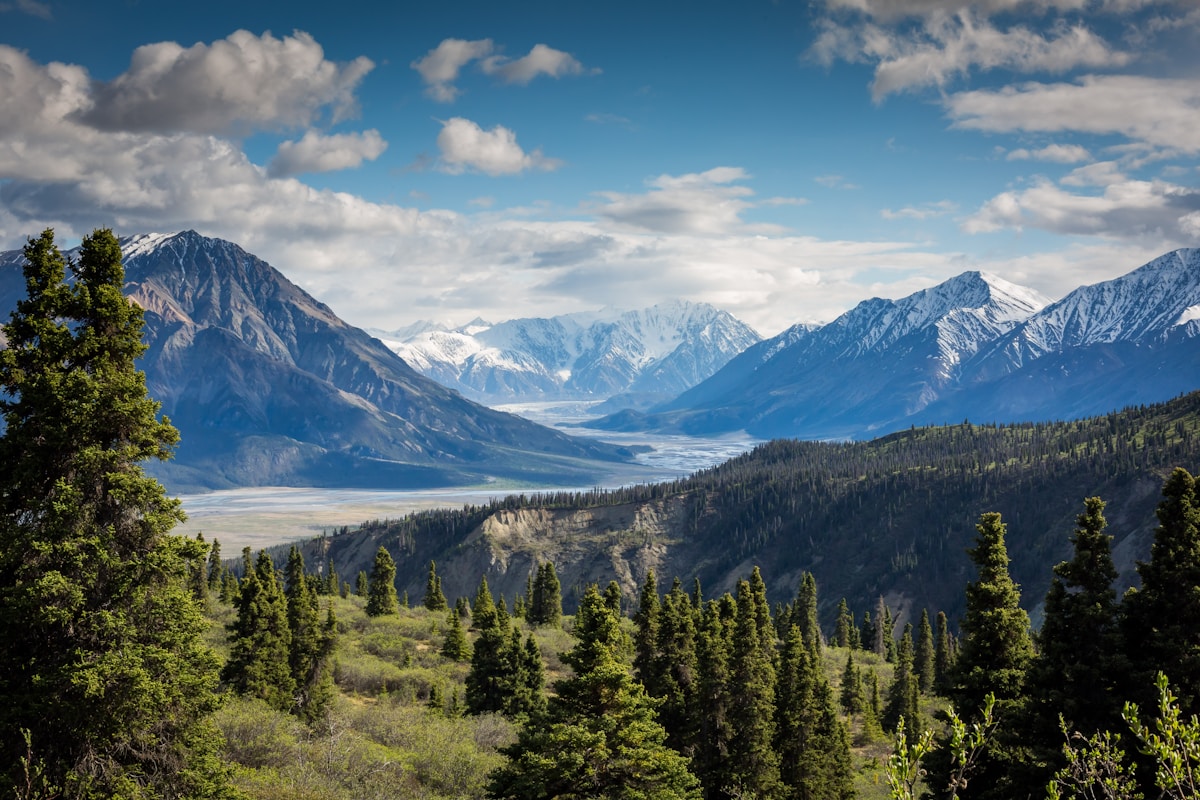
As Thailand and Bali become increasingly crowded with digital nomads, some remote workers are eyeing an unlikely alternative: Nepal. The draw is obvious—stunning landscapes, low costs, and a slower pace of life. The question is whether the country's infrastructure can actually support people who need reliable internet to earn a living.
The Appeal Is Undeniable
Cities like Pokhara offer the kind of setting most digital nomads dream about: lakeside cafes with Himalayan views, monthly living costs under $800, and a refreshingly non-commercial vibe. Unlike the polished, influencer-saturated scenes of Ubud or Chiang Mai, Nepal still feels like a place where you're traveling, not performing travel.
Daily costs are remarkably low: • Accommodation: $200-400/month for decent apartments • Food: $3-8 per meal at local restaurants • Transportation: Negligible for those staying in one area • Visas: Straightforward tourist visa extensions
The Internet Reality Check
But here's where the dream meets reality: internet reliability in Nepal is inconsistent at best. While Kathmandu and Pokhara have improved significantly in recent years, travelers report frequent outages, especially during monsoon season.
For digital nomads whose livelihoods depend on video calls, file uploads, and consistent connectivity, this isn't a minor inconvenience—it's a potential career risk. Missing client meetings or deadline deliveries because of power/internet failures can damage professional relationships quickly.
The Monsoon Wild Card
Timing matters enormously. October through April generally offers better infrastructure reliability. But June through September—monsoon season—brings not just rain but increased power outages and connectivity issues. Roads can become impassable, and entire regions may experience disrupted services.