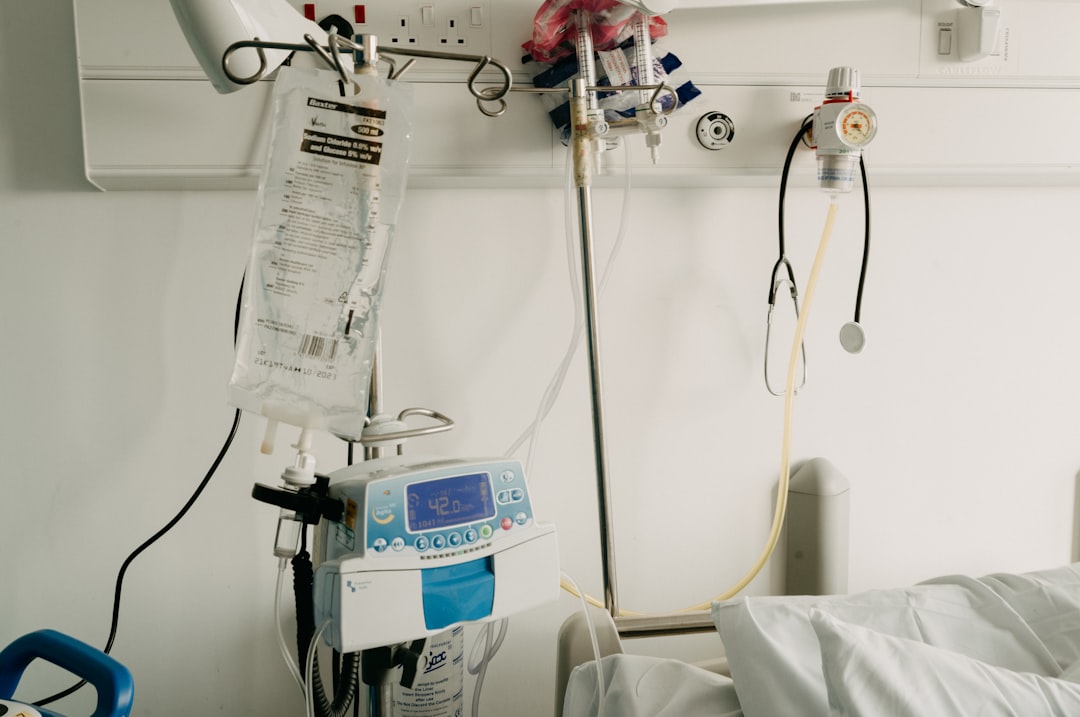
Life-saving dialysis services across New Zealand have hit capacity, forcing some kidney patients into nighttime treatment slots as the public health system struggles to meet demand amid budget constraints and staffing shortages.
According to 1News, the crisis highlights growing pressure on New Zealand's health system as years of underfunding collide with an aging population requiring more intensive medical interventions.
Dialysis isn't optional. Patients with kidney failure need it three times weekly to survive, with each session lasting several hours. Being shuffled to late-night slots means disrupted sleep schedules, difficulty maintaining employment, and significant impact on quality of life.
Mate, this is about people who need regular medical treatment to stay alive being told the system can't accommodate them during reasonable hours. That's not a minor inconvenience—it's a fundamental failure of health service planning.
The capacity crunch isn't uniform across the country. Urban centers like Auckland and Wellington face particular pressure, though regional centers struggle with different challenges: limited facilities, difficulty recruiting specialist staff, and patients facing long travel times.
Dialysis requires specialized equipment, trained nursing staff, and nephrologist oversight. You can't simply spin up new capacity overnight. The infrastructure deficit represents years of deferred investment catching up with the system.
What's particularly frustrating is this crisis was entirely predictable. Diabetes and cardiovascular disease—the main drivers of kidney failure—have been climbing for years. The demographic reality of an aging population requiring more dialysis has been obvious to health planners for decades.
Yet successive governments prioritized other spending while dialysis capacity slowly became inadequate. Now patients pay the price through disrupted lives and reduced quality of care.
Nighttime dialysis isn't inherently problematic if it's a choice. Some patients prefer evening slots that don't interfere with work. But forcing patients into those times because daytime capacity doesn't exist is different—it's rationing care by stealth.