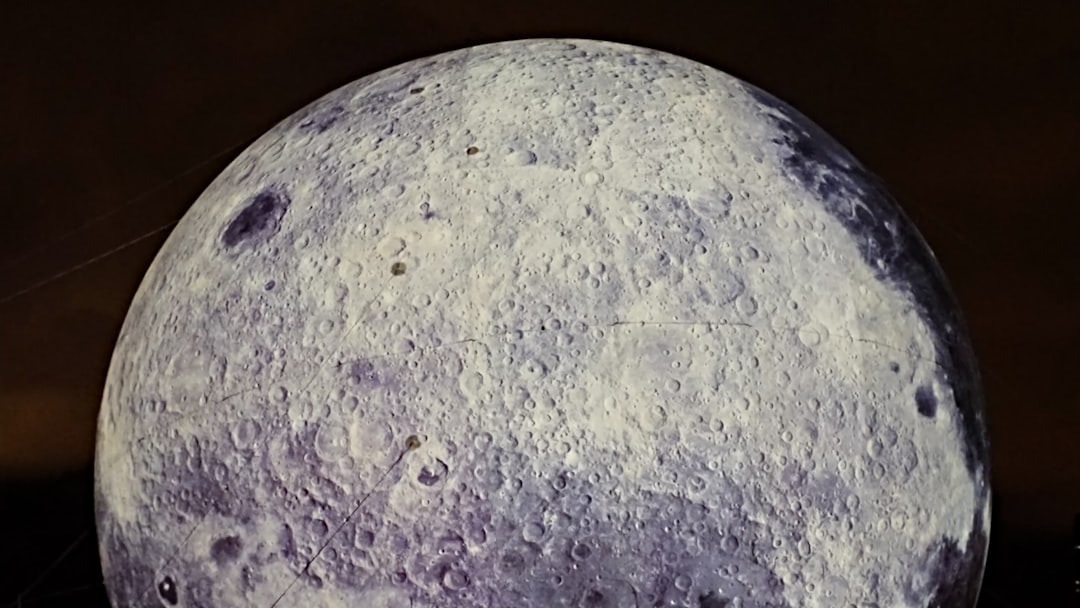
The Moon's dusty surface is roughly 50% oxygen by mass—it's just chemically locked inside silicate minerals. Now NASA has successfully demonstrated a solar-driven method to break those chemical bonds and extract breathable oxygen, essentially for free.
This is infrastructure for future Moon bases.
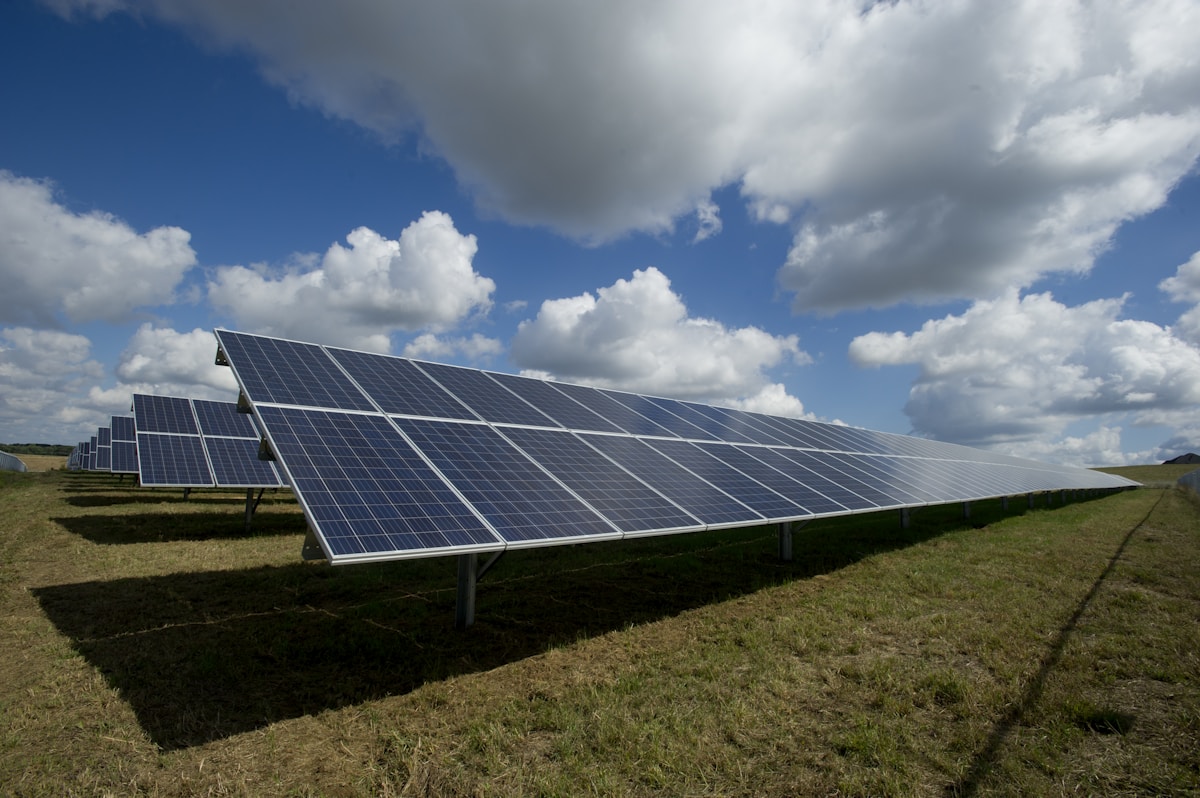
The Carbothermal Reduction Demonstration (CaRD) team used concentrated sunlight, precision mirrors, and a specialized reactor to heat lunar regolith (Moon dust) until it triggers a chemical reaction. The output: oxygen and carbon monoxide, which can serve as a precursor for fuel production.
"The elegance here is using the one resource the Moon has in abundance—sunlight—to unlock the oxygen already there," says the NASA team coordinating systems engineering at Johnson Space Center. No need to haul heavy chemical processing plants 240,000 miles. No need for Earth-supplied reagents. Just mirrors, heat, and chemistry.
The collaborative project involved Sierra Space building the reactor, NASA Glenn and Composite Mirror Applications supplying the solar concentrator technology, NASA Kennedy providing analysis electronics, and NASA Johnson coordinating the systems engineering.
This falls under what's called In-Situ Resource Utilization (ISRU)—astronaut-speak for "living off the land." Every pound launched to the Moon costs thousands of dollars. If you can manufacture oxygen, water, and eventually fuel from local materials, you dramatically reduce those ruinous resupply costs.
The implications extend beyond breathing. Oxygen isn't just for life support—it's the oxidizer component in rocket fuel. A lunar base that can manufacture its own propellant becomes a refueling station for deeper space exploration. Launching from the Moon's lower gravity is vastly more efficient than launching from Earth.
Now, before we start booking lunar vacations: this is still proof-of-concept technology. The test used simulated lunar regolith, not actual Moon dust. Scaling from laboratory reactors to industrial-scale oxygen production will require solving engineering challenges we haven't encountered yet. Lunar dust is notoriously abrasive and clingy—it wreaked havoc on Apollo equipment. Making reactors that can operate reliably in that environment for years is non-trivial.