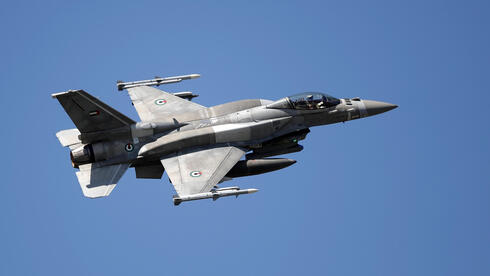
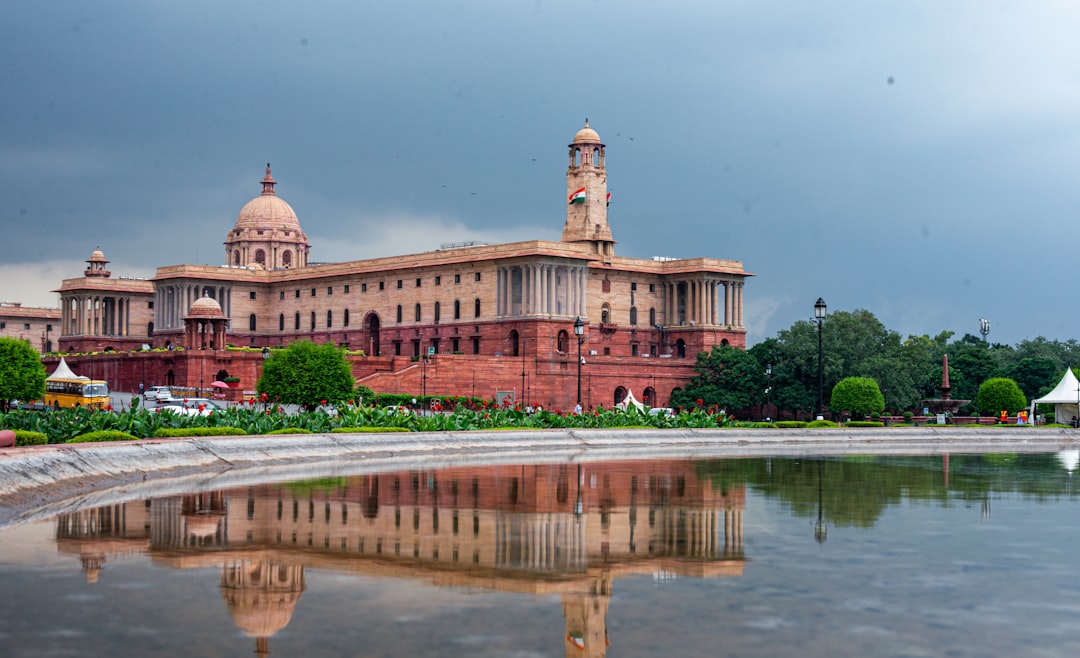
Prime Minister Narendra Modi has called on Indians to practice austerity and make economic sacrifices even as he embarks on an extensive schedule of chartered flights to political rallies across India and a five-nation diplomatic tour spanning the UAE and four European capitals.
In a speech to civil servants in New Delhi, Modi urged government employees to "embrace simplicity" and cautioned Indians against "excessive consumption" amid what his administration describes as global economic headwinds affecting India's growth trajectory.
"Every citizen must ask themselves: what can I sacrifice for the nation?" Modi said in the address. "Small savings, reduced consumption, living within our means - these patriotic acts will strengthen India's economy."
Yet the call for belt-tightening comes as the Prime Minister maintains one of the most intensive travel schedules of any world leader. In the past month alone, Modi has traveled by special aircraft to political rallies in Karnataka, Rajasthan, Chhattisgarh, and Madhya Pradesh - all states facing upcoming assembly elections.
The flights, which use either Indian Air Force aircraft or specially chartered commercial planes, cost taxpayers an estimated ₹50-100 crore annually ($6-12 million), according to government transparency reports. His upcoming tour to the UAE, France, Germany, Netherlands, and Belgium will require an entourage of over 100 officials and security personnel.
"There's a fundamental disconnect between the message and the messenger," said Yogendra Yadav, a political analyst and former member of the University Grants Commission. "You cannot ask daily wage laborers earning ₹300 a day to sacrifice while spending millions on political travel that serves the ruling party's electoral interests."
The austerity call comes as India faces mounting economic pressures. Unemployment remains stubbornly high at 7.5%, food inflation has hit double digits, and the rupee has weakened to record lows against the dollar. Rural distress is particularly acute, with agricultural incomes stagnating even as input costs surge.
For Kamala Devi, a schoolteacher in Varanasi earning ₹25,000 monthly ($300), the Prime Minister's message rang hollow. "He wants us to save and sacrifice, but prices keep rising," she said. "Meanwhile, he travels in luxury to tell us about austerity. Does he think we don't notice?"
The BJP defended the Prime Minister's travel as essential to governance and diplomacy. "The Prime Minister's international visits bring billions in investment and strengthen India's global standing," said party spokesperson Sudhanshu Trivedi. "These are investments in India's future, not personal luxuries."
But opposition parties seized on the contrast. Mallikarjun Kharge, Congress party president, noted that Modi has made over 70 foreign trips since taking office in 2014. "He lectures about austerity from 30,000 feet," Kharge said.
The political optics are particularly sensitive given Modi's repeated criticism of previous governments for "VIP culture" and wasteful spending. His 2014 campaign prominently featured promises to end the perceived disconnect between India's political elite and ordinary citizens.
As Modi boards another flight - this time to Abu Dhabi for bilateral talks - the question many Indians are asking is whether austerity is truly shared sacrifice, or simply a message for everyone else.