Kenya's mobile loan industry has become a digital gold rush, but the treasure being mined isn't just loan interest. It's something far more valuable: the personal data of millions of borrowers, most of whom have no idea what they're surrendering.
According to a detailed analysis shared across East African social media platforms, mobile lending applications operating in Kenya, Nigeria, and across the continent are harvesting extraordinary amounts of user information that goes far beyond what's needed to assess creditworthiness.
"Most people think loan apps earn from interest alone. That's not true," wrote a Kenyan technology analyst whose post has sparked widespread discussion. "They issue small loans at high interest, they collect extremely detailed personal data, and that data is shared or sold to marketing firms, debt collection networks, and scam and fraud ecosystems."
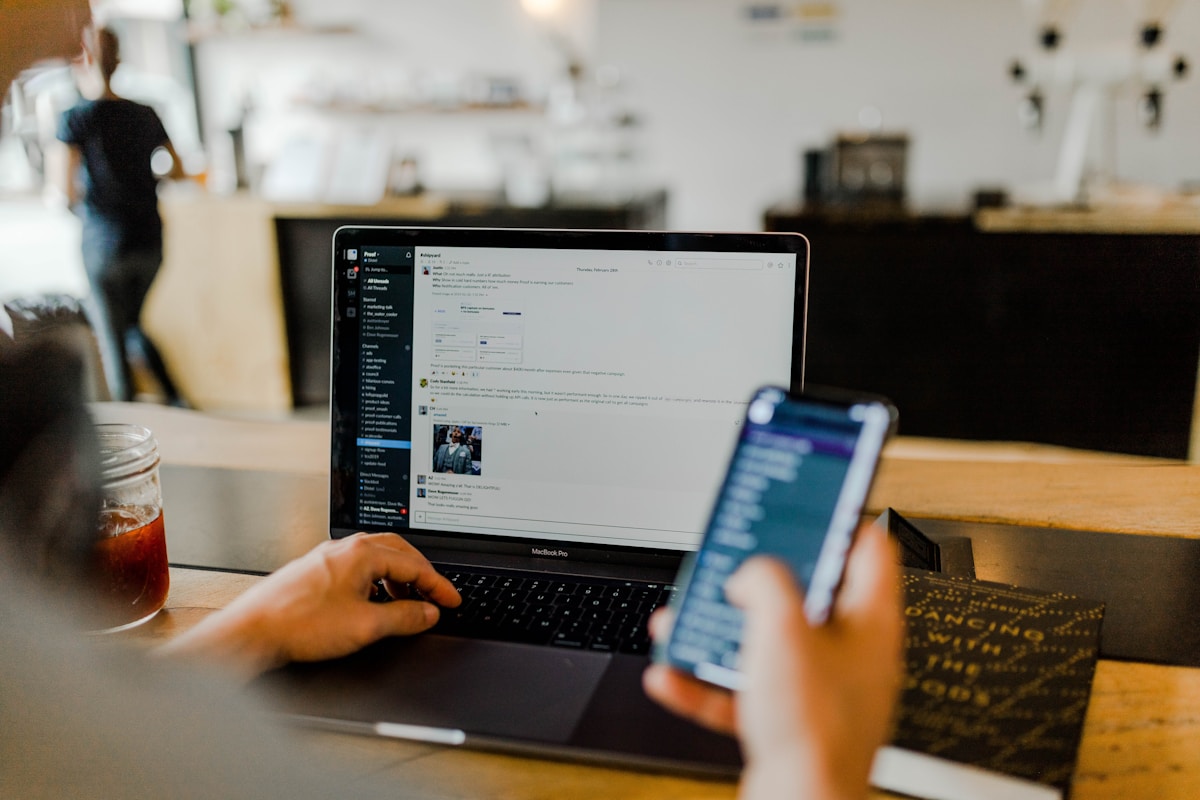
The data collection is comprehensive and invasive. Apps routinely request access to contact lists, SMS messages, call logs, location data, and device metadata. Your contact list alone represents commercial value, but combined with behavior patterns, spending habits extracted from SMS banking alerts, and geolocation tracking, the profile becomes extraordinarily detailed and marketable.
Dr. Mercy Wanjiru, a digital rights researcher at Nairobi's Strathmore University, confirms the practice is widespread. "These apps are not primarily financial services providers. They are data brokers who happen to offer credit," she told the Nation in a recent interview. "The loan is the bait. The real business model is surveillance capitalism."
The implications extend beyond privacy violations. Harvested data fuels targeted scams, predatory marketing, and sophisticated fraud operations. Scammers purchase lists of loan app users, knowing they're likely experiencing financial stress and may be vulnerable to promises of debt relief or additional credit.
Even after users delete the applications, the damage persists. Data already collected remains in commercial circulation, sold and resold through networks of data brokers operating across borders with minimal regulatory oversight.
The paradox is cruel: mobile lending was celebrated as financial inclusion, bringing credit access to populations ignored by traditional banks. Kenya's success with M-Pesa and mobile money innovations made it a global model. But the loan app boom has revealed how digital financial services can simultaneously include and exploit.
Regulatory frameworks are struggling to catch up. Kenya's Central Bank delisted dozens of predatory lenders in recent years, but enforcement focuses primarily on interest rate caps and harassment practices. Data protection, despite the existence of Kenya's Data Protection Act, remains weakly enforced.
"Before installing any loan app, ask yourself: Would I give a stranger my phone to scroll through my life for 3,000 shillings which I'll repay with interest?" the viral post concluded. "Because that's exactly what you're doing."
Across Nigeria, Ghana, Uganda, and Tanzania, similar patterns are emerging. The African fintech revolution, once hailed as democratizing access to capital, is increasingly recognized as a sophisticated extraction economy where the poor pay twice: once in interest, and again in surrendered privacy and data.
Adeola Fayehun, a Nigerian consumer rights advocate, argues the solution requires both regulation and education. "We need enforceable data protection with real penalties, but we also need digital literacy campaigns so people understand what they're consenting to when they click 'Allow All Permissions.'"
The loan app data mining scandal reveals an uncomfortable truth about Africa's digital transformation: technology alone is neither liberating nor exploitative. It depends entirely on who controls it, how it's regulated, and whether the people using it understand what they're actually trading away.
Fifty-four countries, 2,000 languages, 1.4 billion people and an entire generation learning that in the digital economy, if you're not paying for the product, you are the product.