

Ukraine has accused Hungary and Slovakia of "energy blackmail" after both countries threatened to halt electricity supplies unless Kyiv resumes Russian natural gas transit through Ukrainian pipelines—a dispute that exposes deepening fractures in European unity over the war.
CNBC reports that Ukrainian officials rejected the demands, noting that continuing Russian gas transit would generate revenue for Moscow's war machine while undermining European energy security.
The conflict centers on complex energy interdependencies created by decades of Soviet-era infrastructure. Ukrainian pipelines historically carried Russian gas to Central Europe, generating substantial transit fees for Kyiv. Ukraine halted this transit in 2024, citing moral objections to facilitating Russian revenue. Hungary and Slovakia, both heavily dependent on Russian gas, faced supply disruptions and price increases.
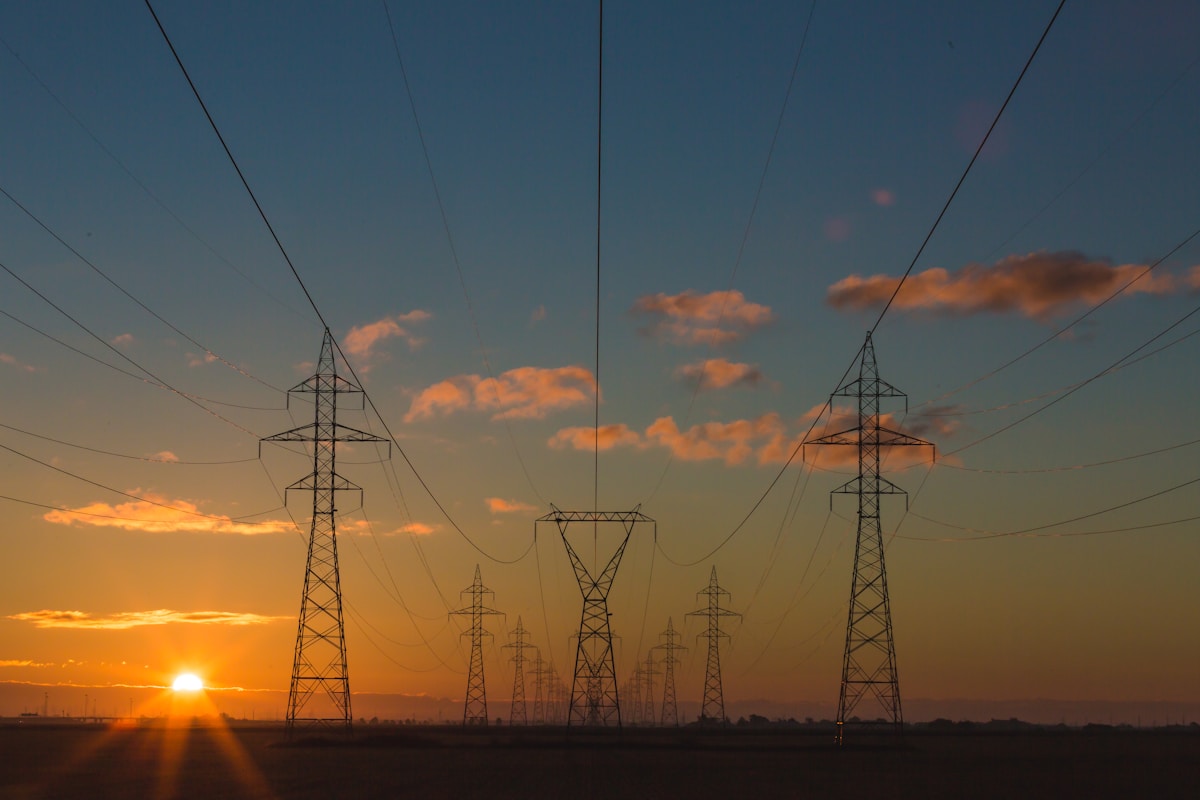
In retaliation, Budapest and Bratislava now threaten to cut electricity exports to Ukraine, which relies on power imports during winter months when Russian strikes have devastated Ukrainian generating capacity. The threatened cutoffs would compound Ukraine's energy crisis as it faces a third winter of war.
To understand today's headlines, we must look at yesterday's decisions. Hungary's Prime Minister Viktor Orbán and Slovakia's government have consistently opposed EU sanctions on Russian energy, arguing that Central European economies cannot quickly replace Russian supplies. Both nations maintained closer ties to Moscow than most EU members, creating tensions with Brussels and neighboring states.
Ukrainian Energy Minister German Galushchenko characterized the threats as "economic warfare against a country fighting for survival" and called on the European Commission to intervene. EU officials face limited leverage: energy policy remains primarily national competence, and the bloc's unity on Ukraine policy masks significant disagreements about costs and strategy.
The dispute highlights an uncomfortable reality: European unity on Ukraine is transactional rather than absolute. Western European nations can afford principled stances on Russian energy because they have alternatives; landlocked Central European states face genuine economic constraints that limit their policy options.
Germany and France have urged negotiations, while Poland and the Baltic states condemned Hungarian and Slovak threats as undermining Ukraine at a critical moment. The disagreement reflects broader tensions about burden-sharing: wealthy Western European nations provide financial and military aid while expecting Eastern European neighbors to accept refugees and economic disruption.
Energy analysts note that Ukraine could potentially find alternative electricity suppliers, though at higher cost and with infrastructure challenges. Poland and Romania both export power and have signaled willingness to increase supplies if Hungary and Slovakia follow through on threats.
The broader implication is sobering: if European allies cannot maintain energy cooperation during wartime, their capacity for sustained support of Ukraine faces serious questions. Moscow has long pursued a strategy of dividing European nations through economic pressure. This dispute suggests that strategy retains potency.



