
A ruptured wastewater pipeline at Pearl Harbor Naval Shipyard released 2,250 gallons of untreated sewage directly into the historic harbor's waters Friday morning, raising urgent questions about aging military infrastructure and environmental oversight at defense installations.
The pipeline, designed to offload wastewater from ships docked at the Hawaii naval facility, failed around 7 a.m. near the shipyard piers. Joint Base Pearl Harbor-Hickam officials confirmed the spill was contained by noon, though none of the released wastewater could be recovered. Notably, no vessel was connected to the system when the rupture occurred, suggesting infrastructure failure rather than operational error.
Navy officials notified the Hawaii Department of Health immediately following discovery, yet their response outlined no active remediation plan. Instead, authorities stated the untreated sewage "is expected to naturally break down in the environment"—a passive approach that environmental advocates argue reflects insufficient accountability for military pollution incidents.
The spill compounds mounting concerns about defense infrastructure maintenance across Pacific installations. Pearl Harbor has faced repeated environmental challenges in recent years, from the 2021 jet fuel contamination of drinking water supplies affecting thousands of military families to ongoing concerns about legacy contamination from decades of naval operations.
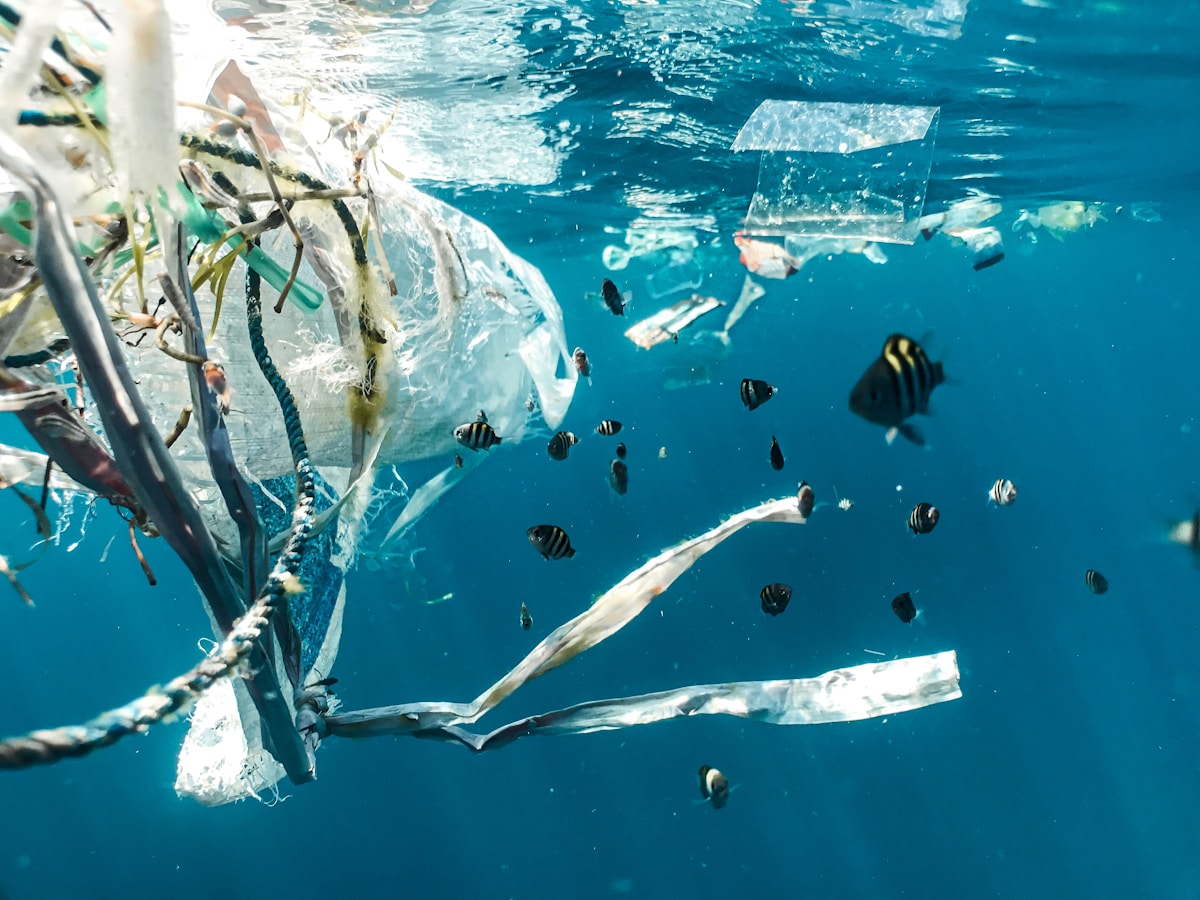
While 2,250 gallons represents a relatively modest volume compared to catastrophic industrial spills, untreated wastewater carries significant ecological risks. Raw sewage introduces harmful bacteria, viruses, and elevated nutrient levels that can trigger algal blooms, deplete oxygen levels critical for marine life, and contaminate shellfish beds. Pearl Harbor's enclosed geography may concentrate these impacts rather than allowing rapid dilution.
In climate policy, as across environmental challenges, urgency must meet solutions—science demands action, but despair achieves nothing. This spill, while contained within hours, underscores the imperative for rather than reactive incident management.