
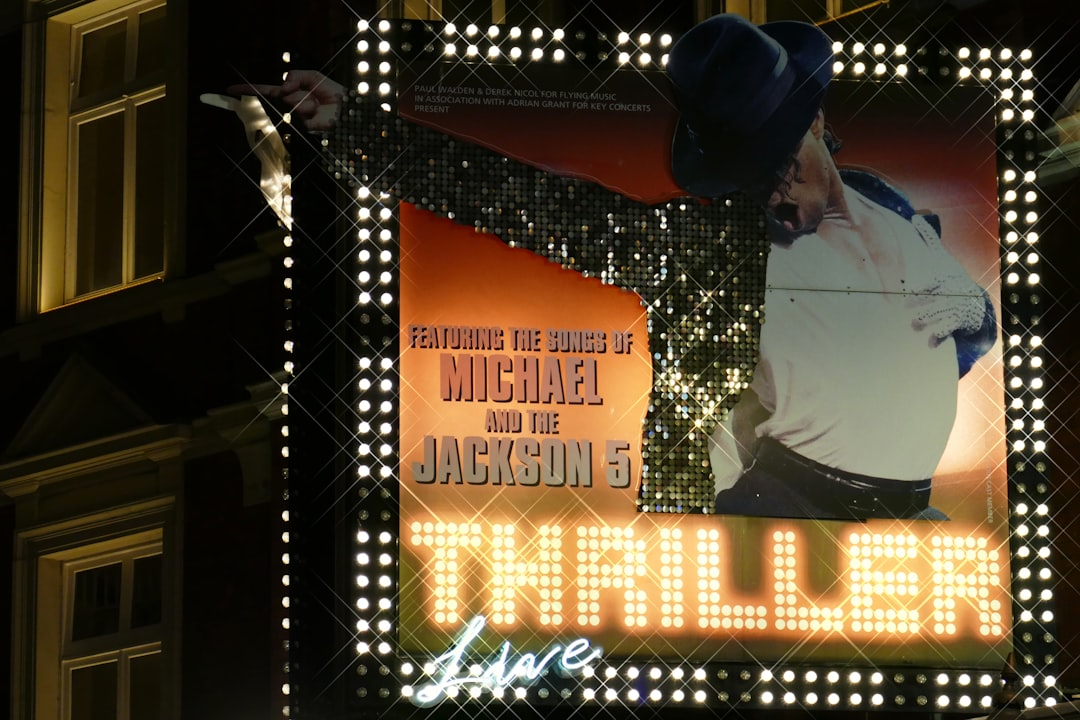
The Michael Jackson biopic Michael opened to a staggering $217 million globally this weekend—$97 million domestically—making it the highest-grossing music biopic opening of all time. It's also, according to critics, borderline unwatchable.
This isn't a bug in the system. It's a feature.
Let me be clear: Michael is not a good film. It's a sanitized, estate-approved hagiography that treats Michael Jackson's very complicated legacy like a museum exhibit—respectful, distant, and utterly bloodless. Critics have been unanimous in their panning. Yet audiences showed up in droves, spending a quarter-billion dollars to watch a movie that refuses to ask hard questions.
And here's the uncomfortable truth: this is exactly the business model. Authorized music biopics—from Bohemian Rhapsody to Back to Black—aren't designed to be great cinema. They're designed to be nostalgia delivery systems that won't upset the estates controlling the music rights. The formula is simple: greatest hits montage + surface-level drama + "complicated genius" framing = box office gold.
Antoine Fuqua's film reportedly soft-pedals the abuse allegations, treats Jackson's relationships with children as innocent misunderstandings, and focuses relentlessly on his artistry while ignoring the darkness. It's less biopic than brand rehabilitation.
But audiences don't care. Or rather, they care about different things than critics do. They want to hear Billie Jean on a theater sound system. They want to see the Motown 25 moonwalk recreated. They want to remember Michael Jackson as they choose to remember him—and Hollywood is happy to sell them that memory for $15 a ticket.
The real question isn't why Michael succeeded despite being bad. It's whether we're okay with music biopics becoming propaganda. Because as long as estates control the rights and audiences accept sanitized versions of history, we're going to keep getting these kinds of films—hugely profitable, emotionally manipulative, and ultimately dishonest.
In Hollywood, nobody knows anything—except that nostalgia always sells, even when packaged in a lie.