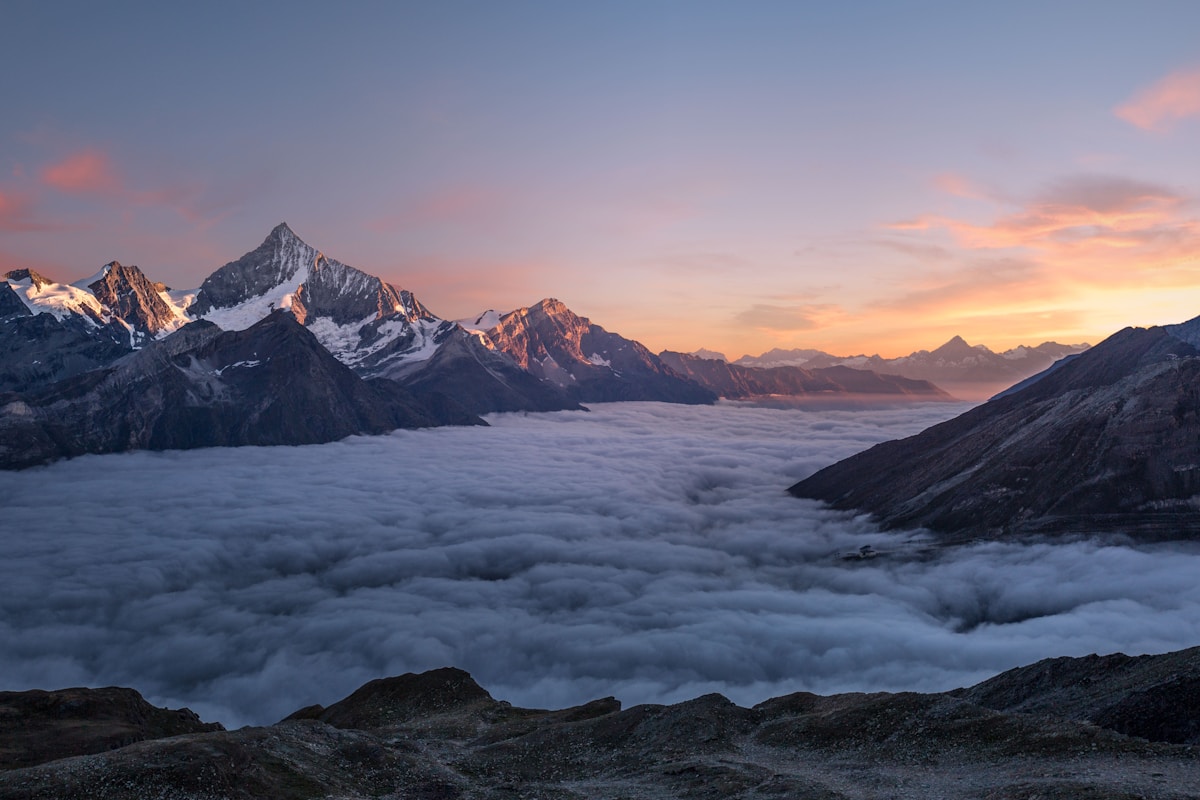
A 22-year-old solo traveler planning a July trip to Nepal confronts warnings about monsoon season making popular destinations foggy, rainy, and potentially dangerous for trekking—revealing the difficult tradeoff between vacation timing constraints and optimal travel windows for weather-dependent destinations.
The post on r/backpacking laid out the dilemma clearly: "I was planning to do a solo trip in Nepal this summer in July (when I have holidays), until I saw that this month is the most rainy of the year and everyone tag it like the 'worst' time to travel to Nepal."
Nepal's Monsoon Reality
July sits squarely in Nepal's monsoon season (June-September), bringing challenges that significantly impact the travel experience:
Weather conditions: • Heavy rainfall, particularly in afternoons and evenings • Persistent fog obscuring mountain views • Cloud cover blocking Himalayan vistas that are Nepal's main draw • Muddy, slippery trails • Increased risk of landslides on mountain roads
Trekking implications: • Popular routes like Annapurna Circuit and Everest Base Camp become hazardous • Teahouses may close in remote areas • Flight cancellations to mountain airports (Lukla) due to weather • Leeches on lower-elevation trails • Limited visibility ruins photo opportunities and mountain scenery
The Vacation Timing Constraint
The traveler's situation reflects a common dilemma facing workers with limited vacation time: optimal travel seasons rarely align with when you can actually get time off.
July represents peak summer vacation in Northern Hemisphere, making it the only option for many workers—but it's monsoon season across much of South Asia and Southeast Asia.
The poster noted: "I have just two weeks for a solo trip which is kinda short for a trip in Nepal." This limited timeframe intensifies the pressure to make the visit worthwhile despite seasonal challenges.