A Canadian-American remote worker returning from six weeks in Manila describes unexpected emotional conflict about leaving despite maintaining normal work routines—highlighting how extended remote work abroad creates deeper connections than traditional vacation travel.
The post on r/TravelNoPics captured feelings many digital nomads experience but rarely discuss: "I'm set to return to the USA next week and I almost feel like one of those characters leaving nail marks on the floor as they get dragged back."
Working Abroad vs. Vacationing Abroad
The traveler's experience reveals a crucial distinction: working remotely in a foreign location creates fundamentally different attachments than tourism.
Unlike vacation mode—where every day is exploration and new experiences—remote work abroad means:
• Establishing daily routines in a new place • Building community through regular cafes, coworking spaces, gyms • Creating friendships with both locals and other nomads • Experiencing "normal life" in a foreign context • Developing emotional investment in a place beyond tourist attractions
The poster noted: "I took some vacation time while here to see some more far flung spots, but for the most part I've continued working and done life the same way I normally do in the USA."
This "living like a local while working" experience creates attachment in ways that purely touristic travel doesn't—because you're not just visiting a place, you're building a temporary life there.
The Split Identity Phenomenon
The traveler articulated a feeling familiar to many nomads: "I feel like the more I travel the more I get split into different places."
This psychological "splitting" happens because:
• You've made meaningful friendships in the new location • You've discovered favorite spots and routines you'll miss • You've proven you can build a satisfying life somewhere new • But you also have roots, community, and relationships "back home"
Travel psychologists note this creates a unique form of homesickness—simultaneously missing one place while living in another, regardless of which direction you're traveling.
The Six-Week Threshold
The six-week timeframe is significant. Travel research suggests this represents a "sweet spot" where you've stayed long enough to:
• Move beyond tourist novelty into genuine immersion • Establish routines and community • Feel comfortable navigating daily life • But not so long that frustrations with local inconveniences outweigh benefits
Many experienced nomads report that 4-8 week stays create the strongest emotional attachments—longer than tourism, but shorter than the point where annoyances accumulate.
Managing the Return
Experienced digital nomads shared strategies for handling reverse culture shock:
Before leaving: • Exchange contact information with friends made abroad • Plan a return visit or next trip to maintain forward momentum • Document experiences through photos and journaling • Acknowledge the emotions rather than suppressing them
Upon return: • Give yourself permission to feel disoriented for 1-2 weeks • Maintain connections through messaging and social media • Share experiences with friends at home (but avoid constant comparisons) • Start researching the next remote work destination
The Nomad Cycle
Many respondents noted that once you've proven to yourself that remote work abroad is viable, the desire to repeat it intensifies. The original poster mentioned thinking about "doing it again in 6-12 months"—a pattern common among new digital nomads.
This creates a cycle: 1. Work abroad proves it's possible 2. Return home feeling split between locations 3. Start planning next trip while readjusting 4. Miss home while abroad, miss abroad while home 5. Repeat
Eventually, many digital nomads either commit to longer-term nomadic lifestyles or intentionally establish deeper roots in one location to escape this cycle.
The Southeast Asia Effect
Southeast Asia particularly amplifies reverse culture shock for North American nomads because:
• Dramatically lower cost of living creates lifestyle inflation impossible to maintain at home • Expat and nomad communities provide instant social connection • Tropical settings and cultural differences feel exotic enough to be exciting but accessible enough to be comfortable • Easy visa processes enable extended stays
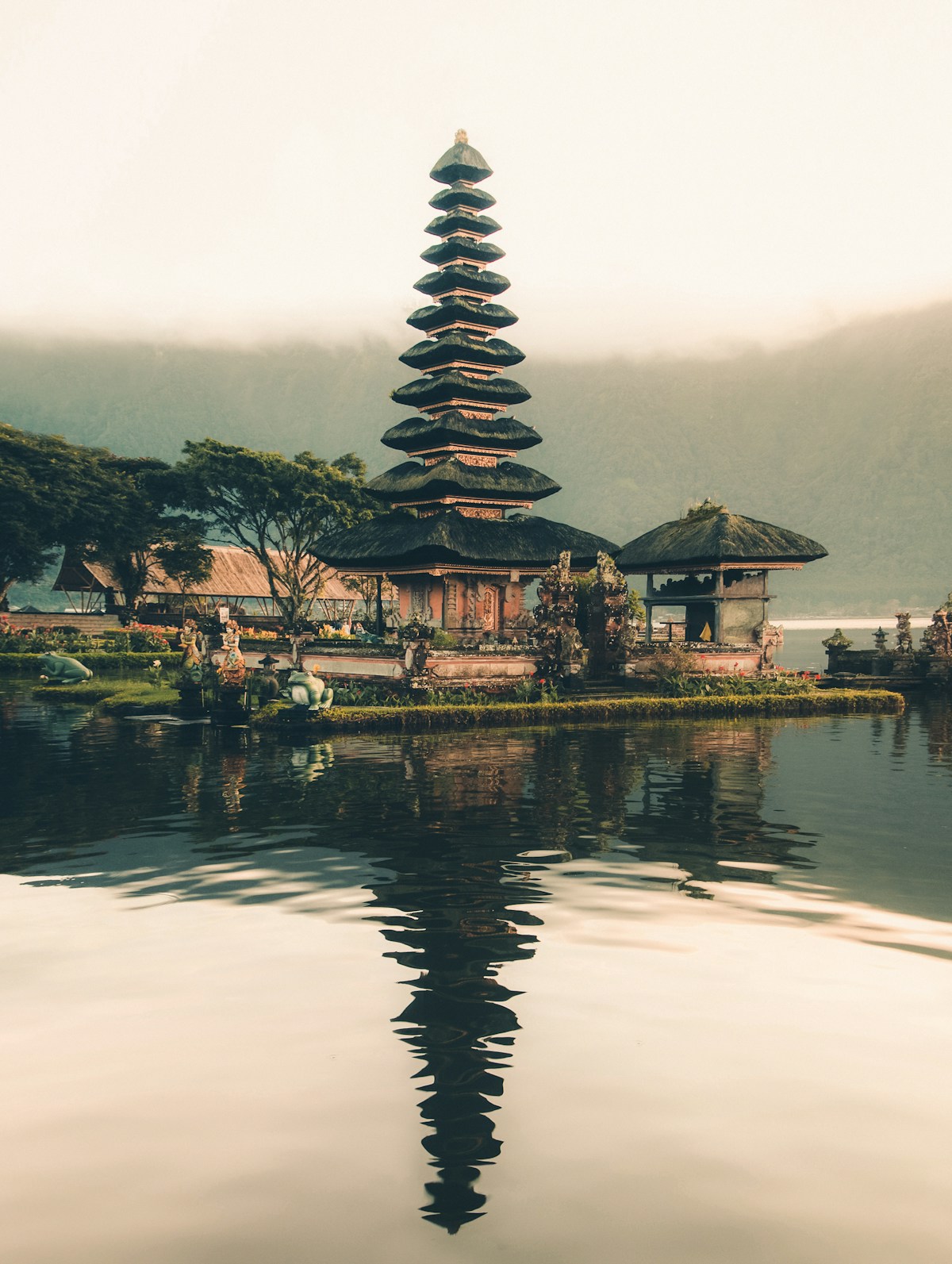
Returning from Manila, Chiang Mai, or Bali to expensive North American cities creates jarring lifestyle compression that intensifies the psychological adjustment.
The Best Travel Philosophy
As the traveler noted, the experience crossed off bucket list items, built friendships, and proved remote work abroad is viable. The emotional complexity of returning doesn't diminish those achievements—it actually validates them.
The best travel isn't about the destination—it's about what you learn along the way. And what digital nomads learn is that building meaningful lives in multiple places creates beautiful complications that pure tourism never could.