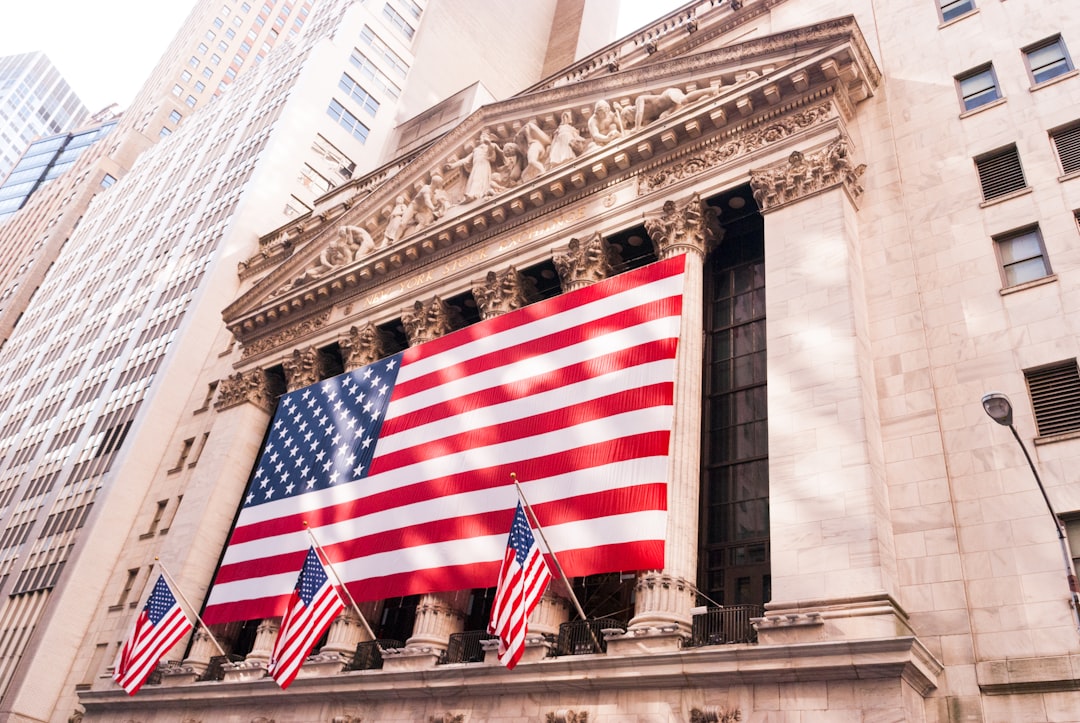
The S&P 500 is up 3.3% over the past month. The ASX 200 in Australia is up 3.7%. Meanwhile, the president is threatening to invade Greenland, slap tariffs on eight countries, and generally treating geopolitics like a reality TV script. So why aren't markets panicking?
Because they're terrible at pricing political risk. And that should worry you.
Viktor Shvets, a strategist at Macquarie, put it plainly: investors are "notoriously poor" at judging geopolitical and political risk. Markets assume chaos will either blow over or get walked back. They price in the best-case scenario until reality forces them to reprice. And when that repricing happens, it's violent.
Let's be clear about what's happening right now. The United States is openly threatening NATO allies. Trade war rhetoric is escalating. The Fed's independence is under siege, with the chairman set to step down in May and likely be replaced by someone more willing to cut rates on command. Europe is talking about retaliatory tariffs. This isn't background noise. This is structural instability.
Yet the S&P keeps grinding higher. Why? Partly because commodity markets are booming. Gold, silver, and copper are ripping, which lifts resource stocks. Partly because investors are betting that Trump's bark is worse than his bite. And partly because nobody knows what else to do with their money.
But here's the problem: complacency is a lagging indicator. Markets didn't price the 2008 financial crisis until Lehman Brothers collapsed. They didn't price the pandemic until it shut down the global economy. They assume someone will step in and fix things. Until they don't.
I'm not saying you should sell everything and hide in a bunker. But if you're sitting in a portfolio that's 100% equities with no hedges, no international diversification, and no plan for what happens if things actually go sideways, you're flying blind.
The fact that the market isn't reacting doesn't mean there's nothing to react to. It means the market is doing what it always does: assuming the future looks like the recent past. That works great, until it doesn't.
So what should you do? First, understand that geopolitical risk is . If tariffs actually hit, if NATO fractures, if the Fed gets politicized and credibility collapses, markets will reprice fast. Second, diversification isn't just stocks and bonds anymore. Consider some exposure to commodities, international equities, or currency hedges. Third, don't assume volatility stays low forever. Just because the is calm doesn't mean the storm isn't building.