
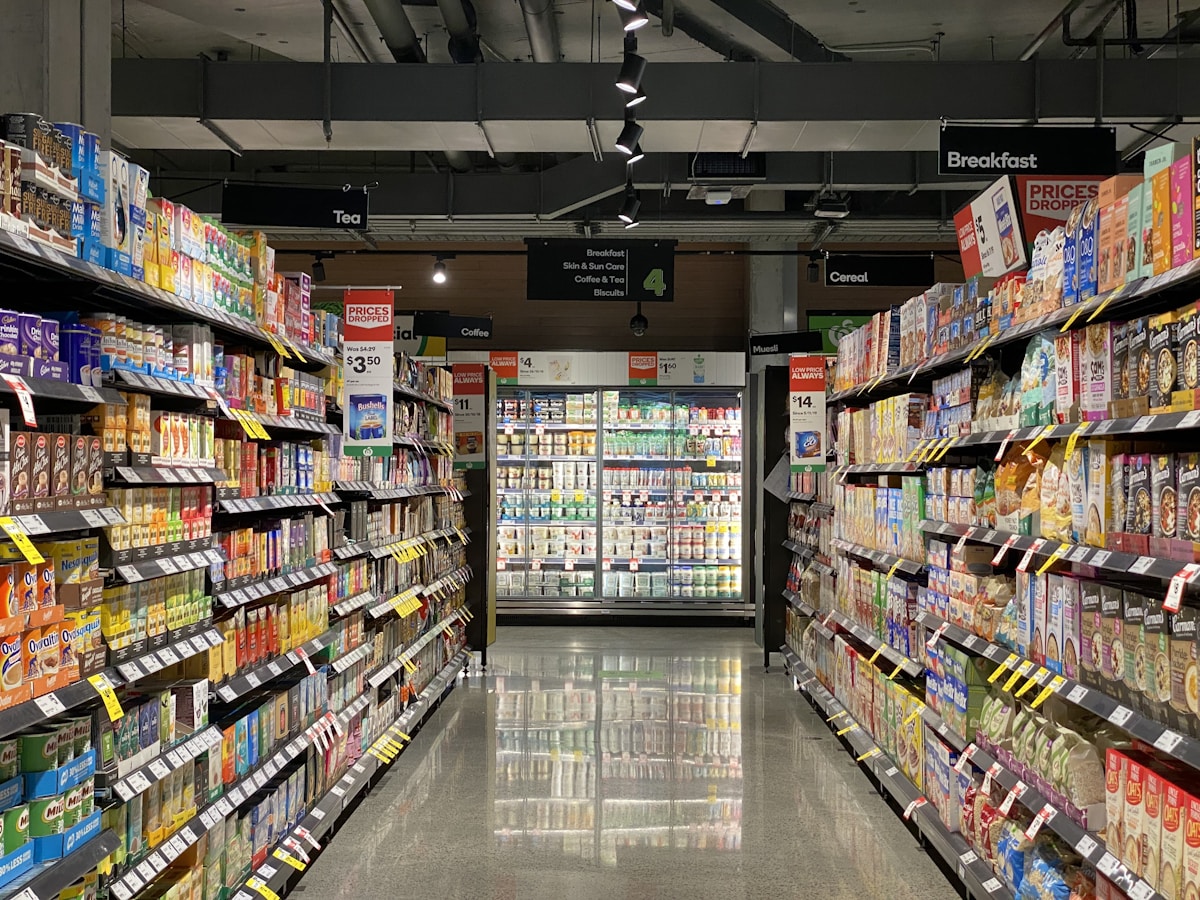
Major supermarket chains across the UAE have launched significant price reductions on essential goods, responding to intensifying competition from budget retailers and mounting cost-of-living pressures on consumers.
Mark Mortimer-Davies, chief executive of Choithrams, and Mohamed Al Hashemi, who heads Union Coop, confirmed the cuts extend beyond typical Ramadan promotional discounts, according to The National. Carrefour has also joined the initiative, signaling a broader shift in the Emirates' retail sector.
"It's a good start," one shopper told reporters, capturing cautious optimism among UAE residents grappling with rising household expenses. The price adjustments represent a strategic pivot by established retailers facing pressure from discount chains that have gained market share by offering lower-cost alternatives.
In the Emirates, as across the Gulf, ambitious visions drive rapid transformation—turning desert into global business hubs. Yet economic diversification brings new market dynamics, including retail competition that mirrors consumer patterns in mature economies rather than oil-boom spending habits.
The supermarket price war reflects deeper economic trends in the UAE. As the nation transitions from hydrocarbon dependence toward tourism, finance, and technology sectors, household budgets have tightened despite overall economic growth. The influx of budget-conscious expatriate workers and middle-income families has created demand for value-oriented shopping options.
Traditional retailers responded by expanding their value ranges—a departure from the premium positioning many chains maintained when serving Dubai's high-income consumer base. The shift acknowledges that the UAE's diversified economy includes broader income segments requiring different retail approaches.
Union Coop, Dubai's consumer cooperative, has particular incentive to maintain competitive pricing as it serves both Emirati members and the broader resident population. Choithrams, a regional chain with roots in the Gulf, similarly recognizes that sustaining market position requires meeting budget-focused consumer expectations.