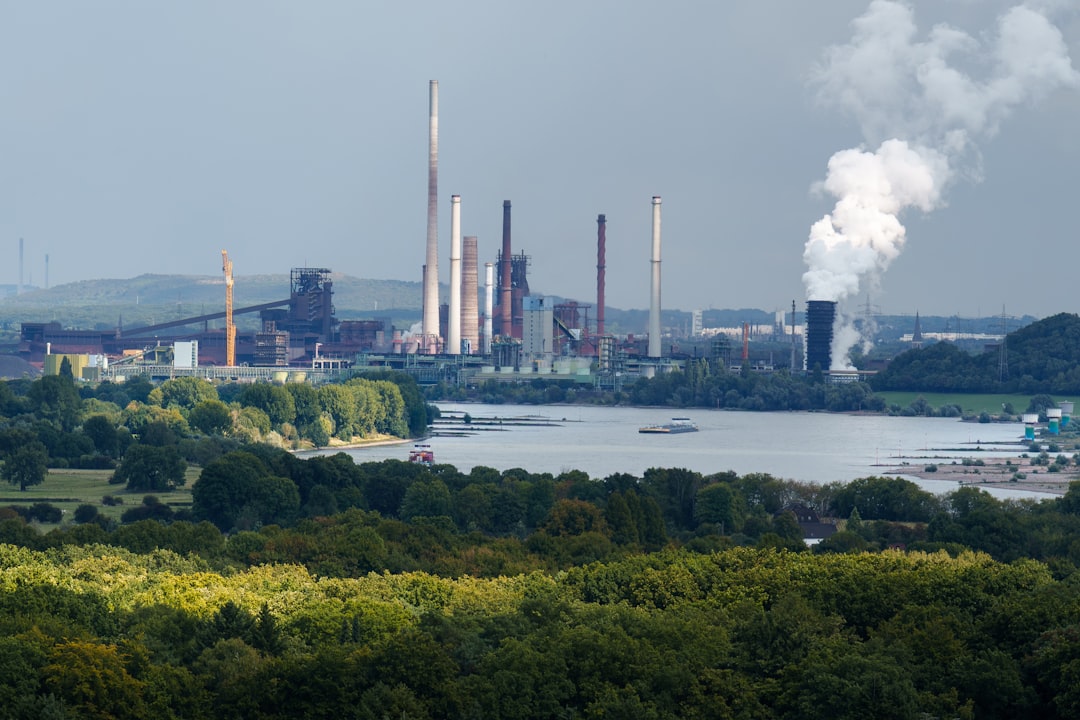
Germany's manufacturing sector expanded in February for the first time since 2022, posting a purchasing managers' index (PMI) reading above 50 and ending the longest industrial contraction in the eurozone's largest economy since reunification.
The turnaround comes courtesy of a massive government spending program approved last month, which is pumping capital into infrastructure, defense, and green energy projects. It's a remarkable pivot for a country that spent two decades preaching fiscal discipline to its neighbors.
The contrast with the United States couldn't be sharper. While American GDP growth just missed estimates badly at 1.4% and inflation remains stuck at 3%, Germany is demonstrating that targeted fiscal stimulus can restart stalled industrial machinery when monetary policy has run out of room.
The numbers are preliminary, but the direction is clear. Germany's pivot away from its traditional export-led model toward domestic demand creation represents a fundamental shift in Europe's economic architecture. For decades, Berlin ran budget surpluses while Southern Europe struggled with austerity. Now Germany is spending, and the results are showing up in factory orders.
For investors, this matters beyond Europe. Capital flows follow growth, and if Germany sustains this expansion while the U.S. slows, expect to see portfolio rebalancing toward European equities. The "U.S. exceptionalism" trade that dominated the past decade looks increasingly vulnerable when Germany—Germany!—is outgrowing America.
The defense spending component is particularly significant. 's commitment to reach 2% of GDP on defense, plus additional funds for support, creates sustained demand for industrial production. Unlike consumer spending, which fluctuates with sentiment, government contracts provide visibility that manufacturers can plan around.