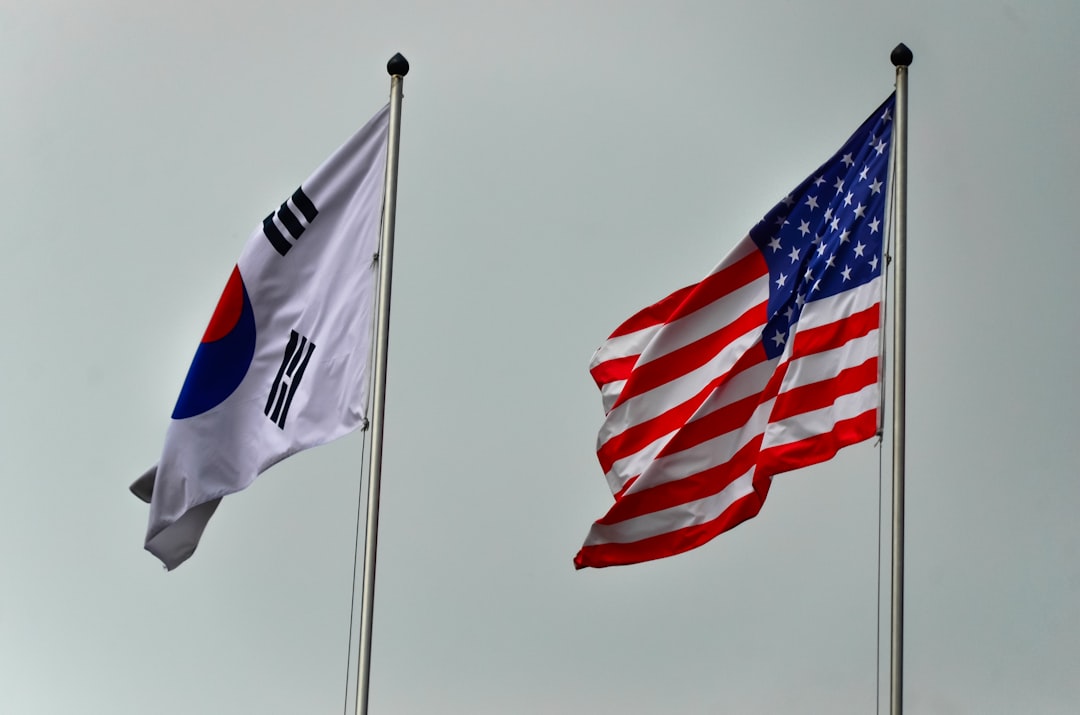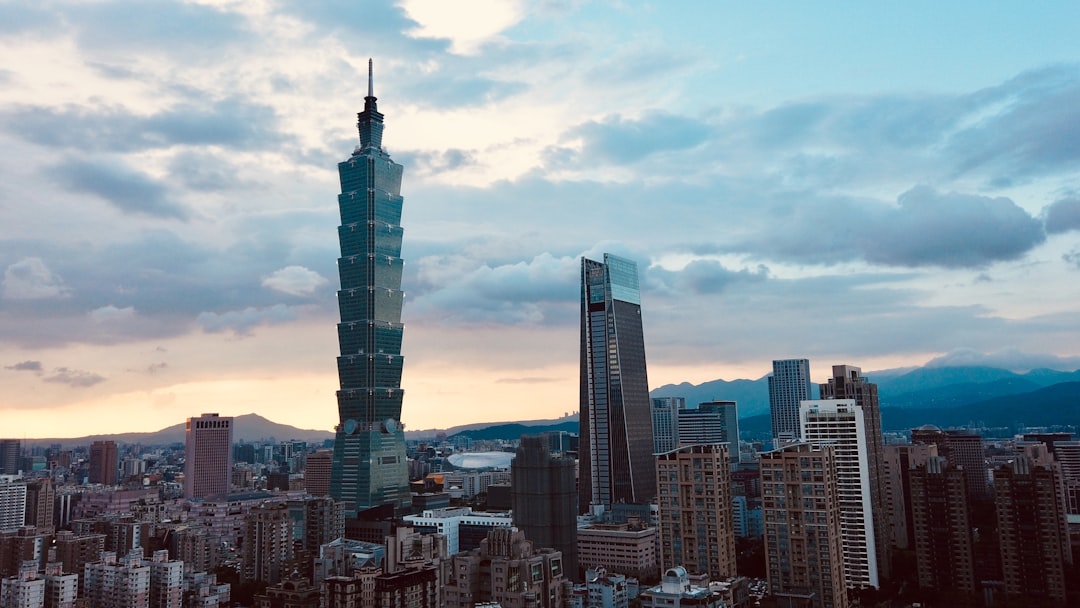
Display screens at Kuala Lumpur International Airport are systematically concealing the Taiwanese flag from flight information boards, according to video evidence circulating on social media, in what observers characterize as another example of China's expanding influence over everyday representations of Taiwan's sovereignty.
The footage, posted to Reddit's Taiwan community, shows flight information displays at KLIA with Taiwan's national flag digitally obscured or replaced with generic symbols, even as other national flags remain visible for flights to and from different destinations. The airport, Malaysia's primary international gateway, handles flights to Taipei operated by both Malaysian and Taiwanese carriers.
Malaysia, which maintains formal diplomatic relations with Beijing under the One China policy, has grown increasingly economically dependent on Chinese investment and trade. Bilateral trade exceeded $100 billion in 2025, while Chinese companies have financed major infrastructure projects including the East Coast Rail Link and port developments.
While Malaysia Airports Holdings has not issued a statement regarding the flag displays, the pattern aligns with growing sensitivity to Chinese preferences across Southeast Asian public institutions and private businesses. Similar incidents have been documented at hotels, airlines, and educational institutions that operate in or maintain ties with China.
The visual erasure of Taiwan's symbols, while seemingly minor, carries significant political weight. It reflects how economic leverage translates into everyday acceptance of Beijing's preferred framing—that Taiwan is a province of China rather than a distinct political entity with its own passport, currency, and democratically elected government.
For travelers from Taiwan, who use Republic of China passports bearing the flag, such omissions serve as constant reminders of their government's diminishing international recognition. Taiwan maintains official relations with only 12 countries worldwide, down from over 20 at the start of the century, as China has systematically incentivized diplomatic switches.
The incident is particularly notable because Malaysia does not prohibit Taiwanese flags—citizens can visit freely, and bilateral economic ties remain substantial. The concealment appears to be a preemptive measure to avoid potential friction with Chinese authorities or tourists, illustrating how nations navigate Beijing's sensitivities even in the absence of explicit demands.
Such practices have become routine across much of Asia. International airlines have revised their websites to remove "Taiwan" from country dropdown menus, instead listing it as "Taiwan, China" or "Chinese Taipei." Hotels have fired employees for listing Taiwan as a country on registration forms. These incidents rarely generate formal protests but cumulatively reshape Taiwan's international presence.
The 中華民國 (Zhōnghuá Mínguó, Republic of China) flag, with its blue sky, white sun, and red earth, remains a potent symbol of Taiwan's separate political identity. Its gradual disappearance from international public spaces reflects the reality that even nations without formal positions on cross-strait relations find it economically prudent to accommodate Beijing's preferences.
Analysts note this represents "soft power" diplomacy—China achieves outcomes without overt coercion by making compliance the path of least resistance for businesses and governments. The costs of displaying Taiwan's flag (potential Chinese market access restrictions, diplomatic friction) outweigh the benefits (symbolic recognition of Taiwan's existence), leading to quiet acquiescence.
Watch what they do, not what they say. In East Asian diplomacy, the subtext is the text.