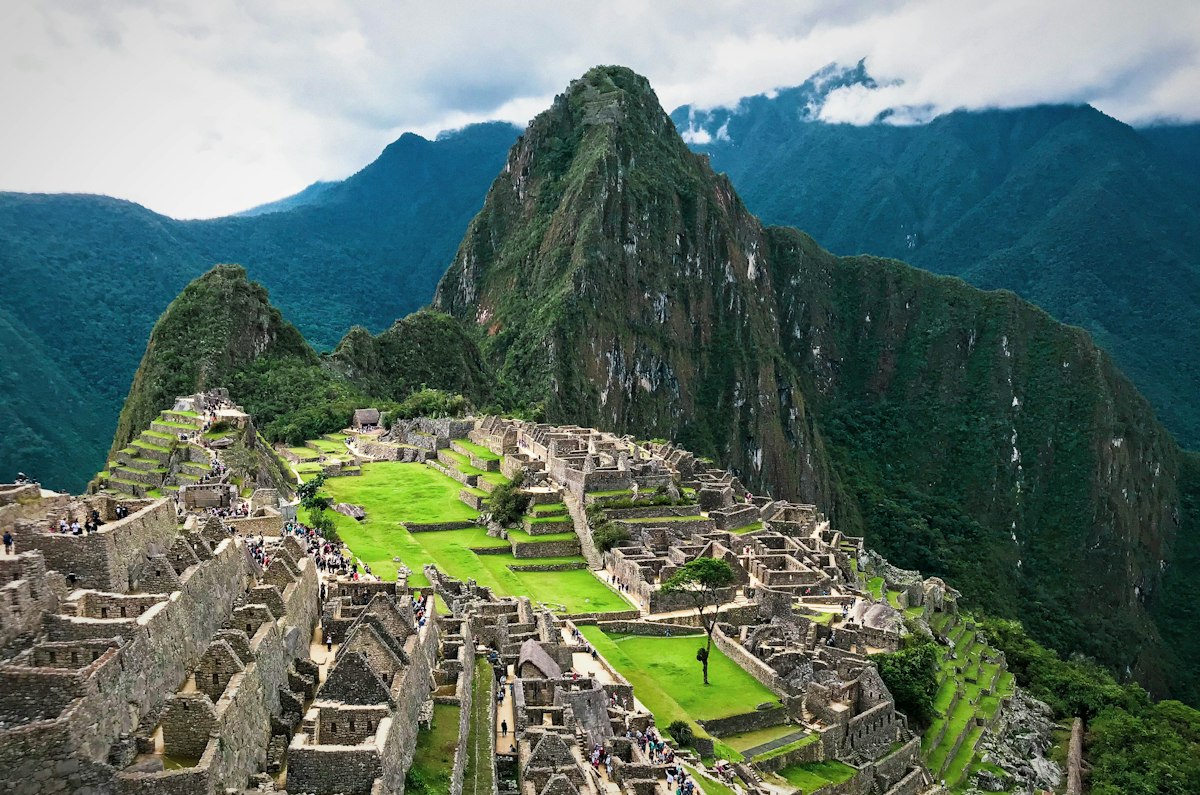
Machu Picchu Reservations, a popular third-party booking platform for Salkantay and Inca Trail packages, has declared bankruptcy - leaving travelers with cancelled bookings and no clear path to rebooking, in some cases weeks before departure. A post on r/solotravel documents the situation with painful specificity: a Salkantay hike booked for March 2 is cancelled, the traveler has a Machu Picchu entry ticket for circuit two at 6am on March 6, and they arrive in Cusco next Friday with accommodation planned but their mountain trek gone."I did get a refund," the traveler wrote in the r/solotravel post, "but I'm wondering if I could book my hike when I get to Cusco next Friday." The question of last-minute rebooking in Cusco has a broadly reassuring answer - but requires realistic expectations about options and cost.The Salkantay Trek, unlike the Inca Trail, does not require national park permits booked months in advance. Multiple operators in Cusco run daily Salkantay departures and routinely accommodate walk-in bookings, particularly in February and March when the trail sees lower demand than the June-August high season. Prices for last-minute three-day Salkantay packages typically run between $180 and $350 USD depending on operator and service level - the traveler's original £300 budget is comfortably in range.Operators with consistent community reviews: Alpaca Expeditions, Peru Treks, and Llama Path are frequently cited on r/solotravel and r/travel for reliable service and ethical guide and porter treatment. Walk into the offices on Cusco's main plaza with your Machu Picchu entry ticket in hand, confirm which circuit and entry time you have, and operators can build a package around your existing reservation.The Machu Picchu Reservations bankruptcy is part of a recurring pattern. Tour operator failures in high-demand adventure destinations are a problem that travelers rarely prepare for. The structural vulnerability is the consolidation of permit access, transport, and accommodation into single-operator booking platforms with no regulatory obligation to hold client funds in trust accounts. When operators collapse, refunds depend entirely on payment method and timing.The protection strategies that reliably work: book directly with licensed operators rather than aggregator platforms; pay with a credit card that offers chargeback rights; purchase travel insurance that specifically covers supplier insolvency; and never book non-refundable connecting arrangements (flights, entry tickets) before the trek booking is confirmed with a reputable operator.For travelers currently holding Machu Picchu Reservations bookings with future departure dates: regardless of whether a refund has been offered. Document all communications. And start researching Cusco-based operators now rather than waiting until you arrive on the ground.
|