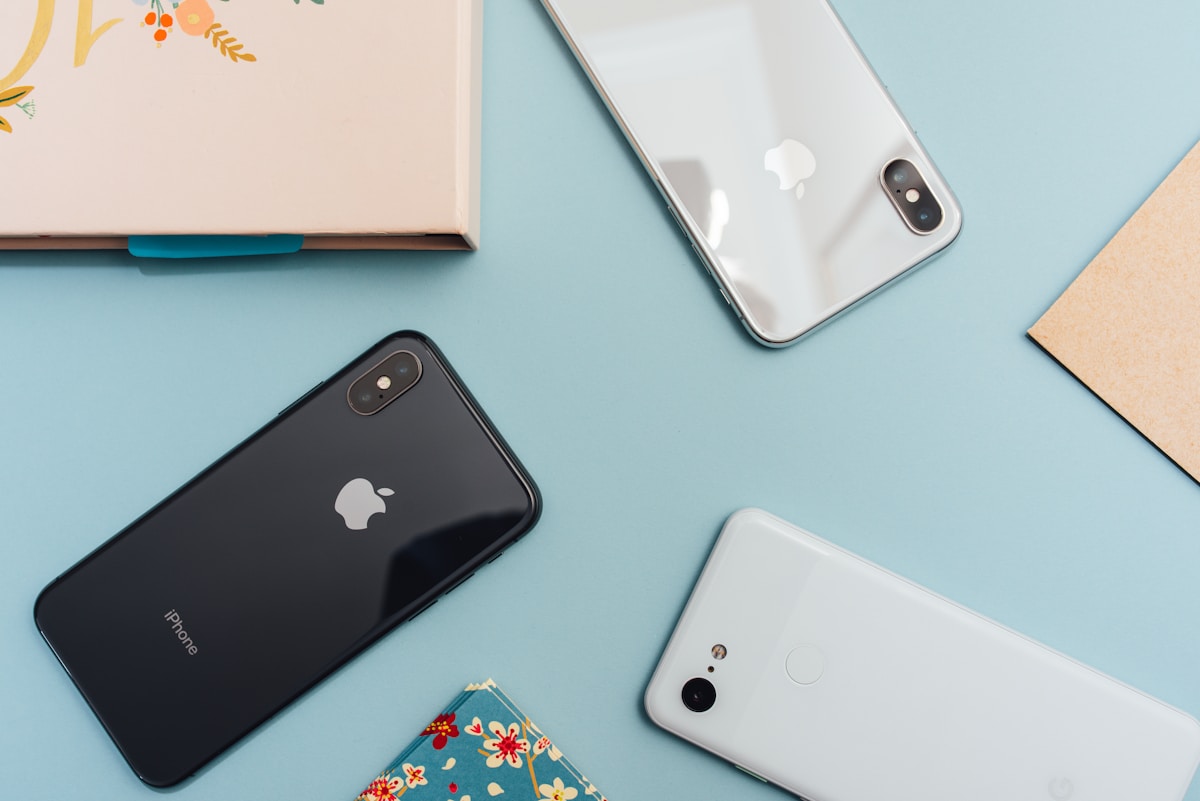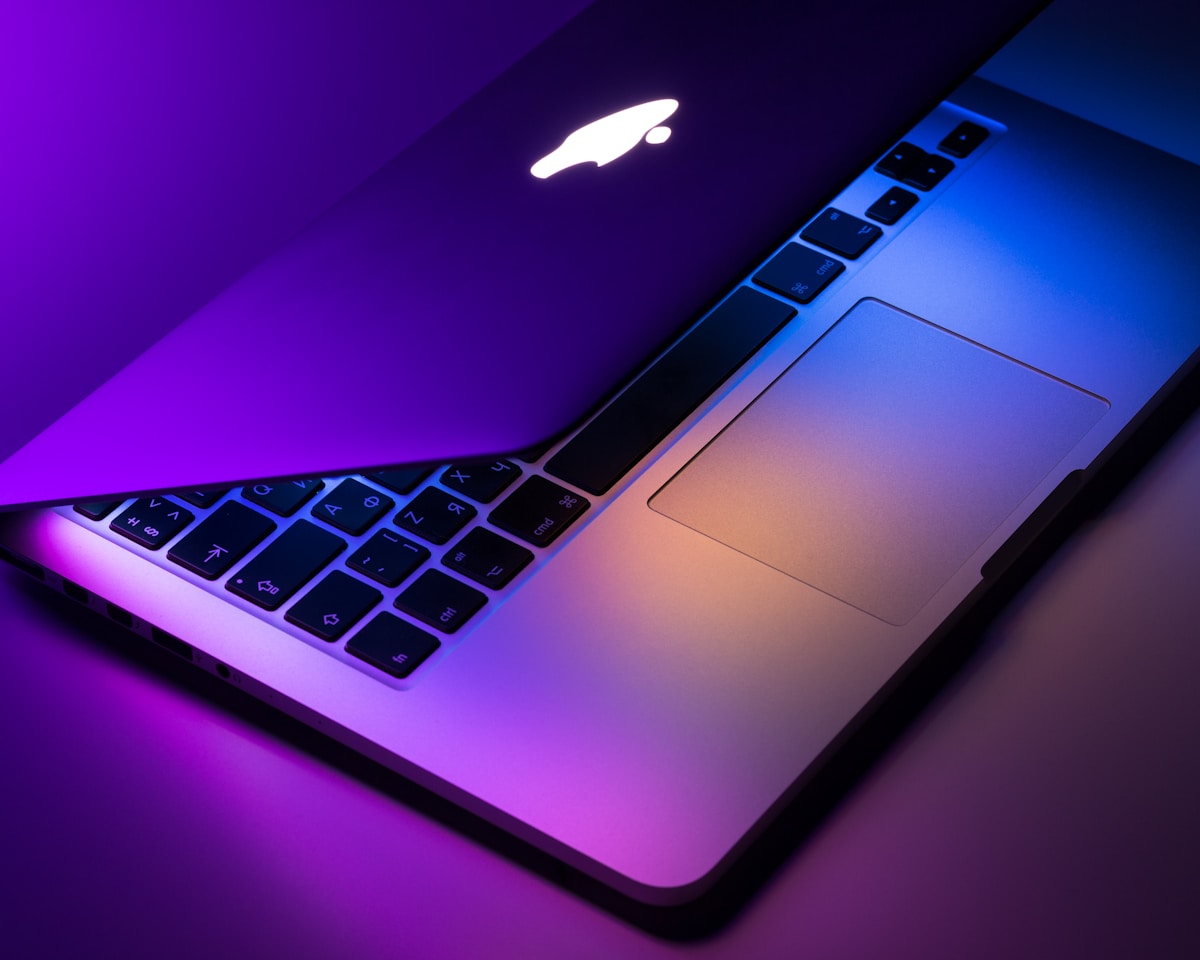
The Asus Co-CEO just called Apple's new MacBook Neo a "shock" to the PC industry, and he's not wrong. Early reviews are calling it unbeatable at its price point, which is exactly the nightmare scenario PC makers have been dreading since Apple started making its own silicon.
The Neo isn't revolutionary technology—it's Apple finally weaponizing its silicon advantage against the mid-range market. For years, the company kept its M-series chips in premium devices. Now they're bringing that performance to a price tier where Windows laptops have dominated through sheer affordability. PC manufacturers who have built entire businesses on competing on price are about to learn what it's like facing a competitor who controls the entire stack.
Here's what makes this existential for companies like Asus, Dell, and HP: they don't make their own processors. They buy chips from Intel or AMD, assemble components from various suppliers, and try to differentiate through design and features. That works fine when everyone's playing the same game. It falls apart when someone can optimize hardware and software together and undercut you on price while maintaining better margins.
Apple's vertical integration means they can make tradeoffs that PC makers simply can't. They can design the chip specifically for their thermal constraints. They can optimize macOS for exactly the hardware it runs on. They can control the entire user experience from silicon to software. Meanwhile, Windows laptop makers are stuck waiting for the next Intel generation and hoping their thermal design doesn't throttle performance.
The reviews are telling. Publications that typically split their recommendations between Mac and Windows are now struggling to find reasons to recommend budget Windows laptops over the Neo. When your main selling points become "well, you can game on it" or "some people prefer Windows," you've already lost the performance and value arguments.
PC manufacturers have tried to respond with their own ARM-based laptops using Qualcomm's Snapdragon chips, but they're running into the Windows-on-ARM compatibility mess. Apple spent years getting developers to port their apps to Apple Silicon. Windows OEMs don't have that leverage.