Japanese companies are deploying physical AI robots for manual labor tasks that can't attract human workers. Unlike warehouse automation in the US, these robots are addressing real labor shortages in an aging society rather than cutting costs by replacing existing workers. Same technology, completely different social impact.
Japan's working-age population is shrinking dramatically. Industries from construction to food service face chronic labor shortages. Positions go unfilled not because wages are too low, but because there literally aren't enough workers. In this environment, robots aren't taking jobs - they're filling positions that would otherwise remain vacant.
This is what robot deployment looks like when you have labor shortages instead of surplus workers. In the US, companies automate to reduce labor costs and improve efficiency. In Japan, they automate because they can't hire enough humans. The technology is the same; the economic and social context is completely different.
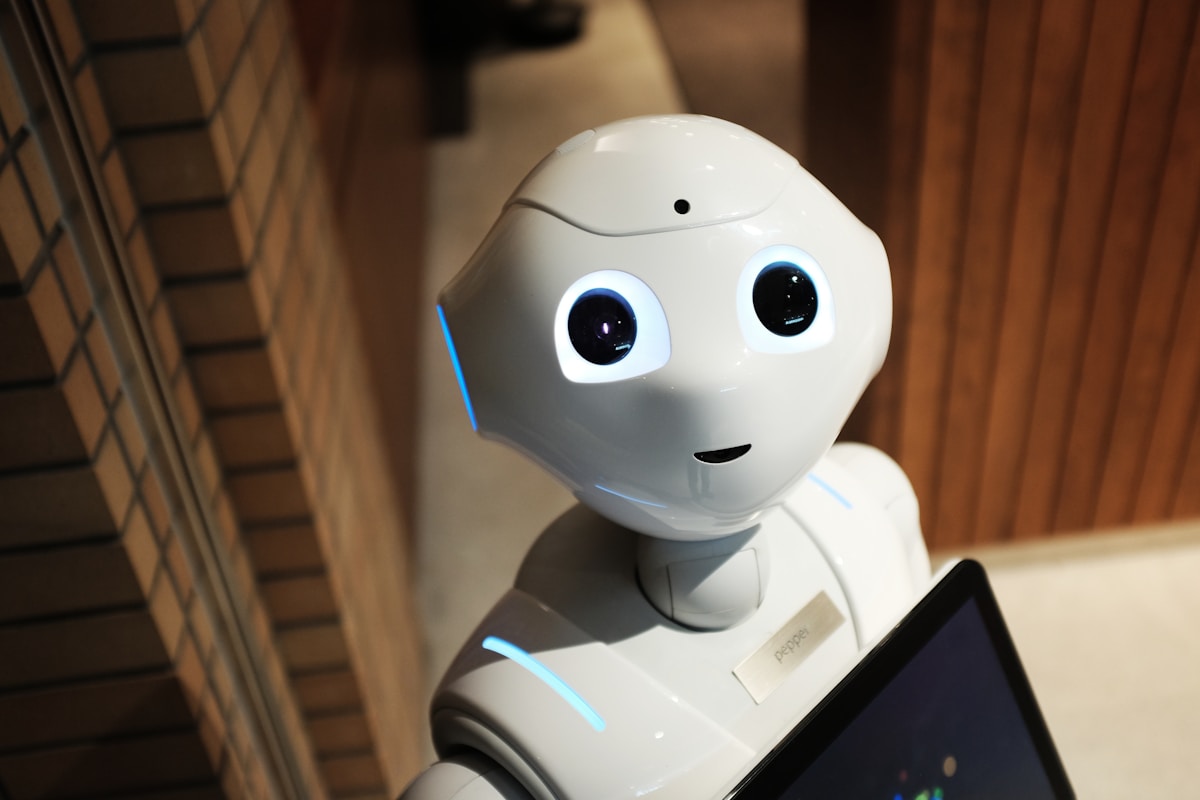
The robots being deployed aren't simple mechanical arms doing repetitive tasks. These are AI-powered systems that can navigate unstructured environments, manipulate objects they haven't been explicitly programmed to handle, and adapt to changing situations. They're working in convenience stores, construction sites, warehouses, and agriculture.
One example: robots that stock shelves in 24-hour convenience stores during overnight hours when human staff are hardest to find. Another: construction robots that handle physically demanding tasks on job sites where aging workers struggle with heavy lifting. These aren't aspirational pilots - they're production deployments solving immediate labor problems.
The technology readiness is notable. For years, robotics companies promised that physical AI was almost ready for real-world deployment. Japan is proving it actually works. Not perfectly, not for every task, but well enough to provide value in situations where the alternative is leaving work undone.
There's less social resistance to robot workers when they're filling vacancies rather than displacing humans. Japanese labor unions aren't fighting automation in industries with critical shortages. Workers see robots as colleagues handling tasks humans don't want, not as threats to employment.
Demographics make this sustainable. Japan's population is projected to decline from 125 million to under 100 million by 2050. The labor shortage will intensify. Every industry will need solutions for doing more work with fewer people. Robots that can handle physical tasks become infrastructure, not luxury.
Can this model export to other countries? Many developed nations face similar demographic trends. South Korea, Italy, Germany - all dealing with aging populations and shrinking workforces. The Japanese approach to robot deployment might become the template.
But countries with younger populations and growing workforces face different trade-offs. When unemployment is high and workers are abundant, automation that eliminates jobs creates social problems. The technology works the same; the political and social acceptance doesn't.
US companies are watching Japan's experiments closely. The same robots that fill overnight shifts at Tokyo convenience stores could theoretically do similar work in Seattle or Chicago. But the social and political reaction would be very different if human workers lost jobs in the process.
The fascinating question is whether this represents the future of work globally, or a Japan-specific solution to Japan-specific problems. As more countries face demographic decline, the Japanese model might become increasingly relevant. Robots filling unwanted jobs rather than competing with humans for desirable ones.
The technology is impressive. Physical AI has progressed faster than most experts predicted. The question is whether society accepts robot workers, and that answer seems to depend heavily on whether you have too few workers or too many.
Japan has definitively answered: when you have too few, robots are welcome.