Japan's Mitsubishi Electric has developed artificial intelligence technology that can identify intoxicated drivers by analyzing their facial features, the latest effort by Japanese industry to address persistent drunk driving through technological innovation rather than increased enforcement alone.
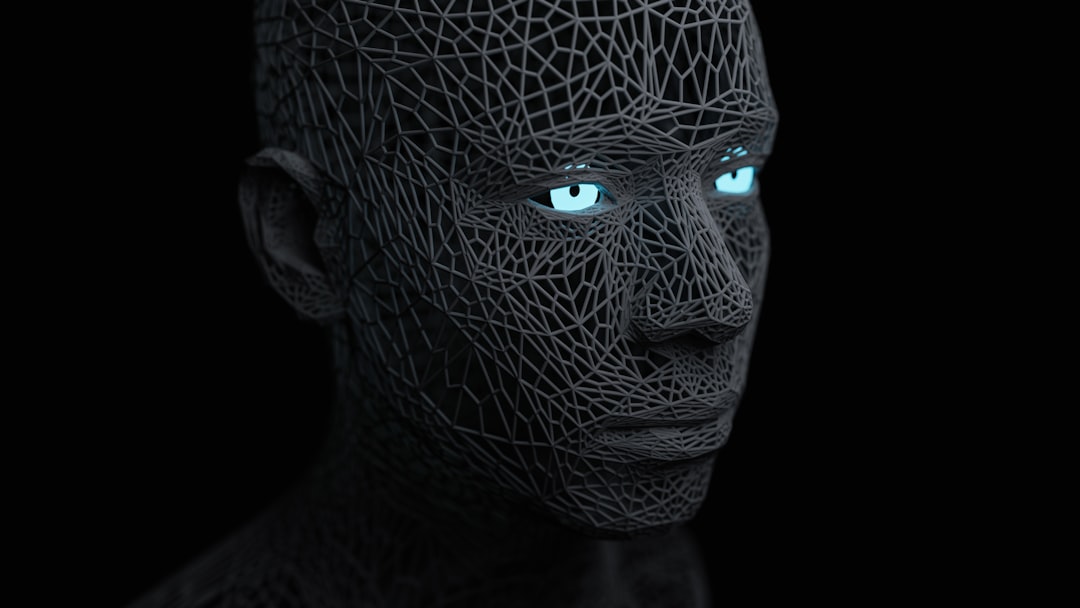
The system, announced this week, uses advanced facial recognition algorithms to detect physiological changes associated with alcohol intoxication, including subtle alterations in skin tone, eye movement patterns, and facial muscle tension. According to The Mainichi, the technology represents a significant advancement in automotive safety systems as the industry shifts toward autonomous and semi-autonomous vehicles.
Mitsubishi Electric officials told reporters the AI system can be integrated into vehicles' existing camera infrastructure, analyzing drivers' faces in real-time before and during operation. The technology builds on Japan's existing drunk driving prevention measures, which already include mandatory breathalyzer tests for commercial drivers and ignition interlock devices for repeat offenders.
The kanji for "safety" (安全, anzen) combines the characters for "peaceful" and "complete"—a concept that has driven Japanese automotive innovation for decades. This latest development reflects that cultural emphasis while raising significant questions about privacy, the accuracy of AI-based biometric monitoring, and the potential for false positives that could prevent sober drivers from operating their vehicles.
Drunk driving remains a serious concern in Japan despite decades of public awareness campaigns and strict legal penalties. The country's 2001 Road Traffic Law revision dramatically increased punishments for drunk driving following several high-profile fatal accidents, leading to a significant decline in alcohol-related crashes. However, incidents persist, particularly in rural areas where public transportation alternatives are limited.
The Mitsubishi Electric system could be deployed in multiple contexts beyond private vehicles. Fleet operators, ride-sharing services, and public transportation companies represent potential early adopters, where the technology could serve as an additional safety layer alongside existing protocols. The company has not announced a timeline for commercial availability but indicated the system is in advanced testing phases.
Privacy advocates and legal experts have expressed concerns about the technology's implications. Japan has relatively strong privacy protections for biometric data under its Act on the Protection of Personal Information, and any widespread deployment of facial recognition technology in vehicles would likely face regulatory scrutiny. Questions remain about data storage, who would have access to the information collected, and whether drivers could be compelled to use the system.
The accuracy of AI-based intoxication detection also remains uncertain. While traditional breathalyzers measure blood alcohol content directly, facial recognition systems must infer intoxication from external indicators that can be affected by fatigue, illness, medication, or other factors unrelated to alcohol consumption. Mitsubishi Electric has not released detailed accuracy data, though the company claims the system has been trained on extensive datasets.
This development fits into Japan's broader strategy to maintain its leadership in automotive AI as the industry undergoes its most significant transformation in a century. With Japanese automakers facing intense competition from Chinese electric vehicle manufacturers and American technology companies developing autonomous driving systems, innovations in safety technology represent a key differentiator for Japanese firms.
Whether this tech-first approach to drunk driving prevention will be exported globally remains to be seen. European and North American markets have different regulatory frameworks and cultural attitudes toward both alcohol consumption and biometric surveillance. However, if the technology proves effective and addresses privacy concerns, it could become another Japanese automotive innovation that shapes global industry standards.