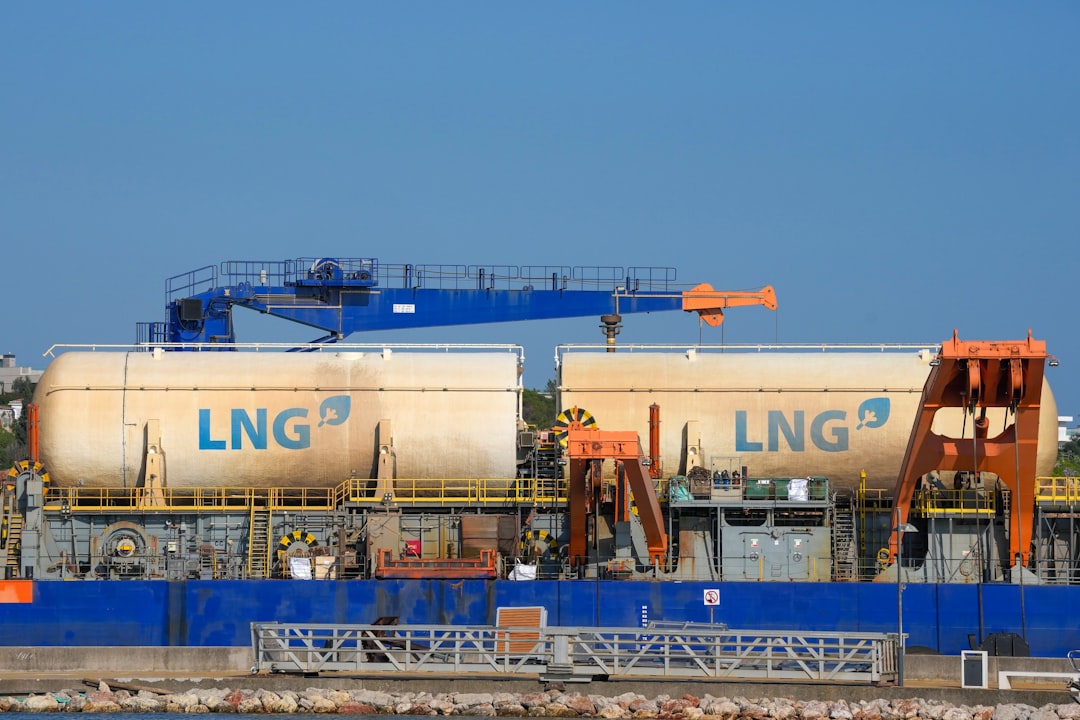
A massive liquefied natural gas terminal under construction in Lake Charles, Louisiana threatens to produce more greenhouse gas emissions than all existing and proposed US LNG export facilities combined, according to environmental impact assessments reviewed by Verite News.
The Woodside Energy project, located in the heart of Cancer Alley—a notorious stretch of petrochemical facilities along the Mississippi River corridor—represents a stark contradiction to federal climate commitments. While the Biden administration has pledged ambitious emissions reductions and temporarily paused new LNG export approvals in early 2024, this megaproject received regulatory clearance before the pause took effect.
Environmental groups estimate the facility could emit the equivalent of dozens of coal-fired power plants annually, adding industrial pollution to communities already suffering from some of the nation's highest cancer rates and respiratory disease burdens. The predominantly Black and low-income residents of Calcasieu Parish have long borne disproportionate environmental health impacts from concentrated petrochemical development.
"This is environmental racism in action," said Robert Taylor, director of the Louisiana Environmental Action Network. "While wealthy nations talk about climate justice at international summits, they're building sacrifice zones in our own backyard."
The project highlights fundamental tensions in US energy policy. Natural gas exports have surged as Europe seeks alternatives to Russian supplies following the Ukraine invasion, turning the United States into the world's largest LNG exporter. Industry advocates argue liquefied natural gas provides a "bridge fuel" enabling other countries to transition away from coal—a claim climate scientists increasingly dispute given methane leakage throughout the supply chain.
Yet the International Energy Agency has warned that meeting Paris Agreement targets requires ending new fossil fuel infrastructure development. The Lake Charles facility's projected decades-long operational lifespan locks in emissions far beyond climate budgelines.
The federal environmental review process approved the project despite acknowledging its "significant" climate impacts, reflecting regulatory frameworks critics say remain inadequate for addressing the climate emergency. Louisiana state officials have championed the development for promised jobs and tax revenue, though economic analyses show petrochemical projects typically deliver fewer permanent positions than projected.
In climate policy, as across environmental challenges, urgency must meet solutions—science demands action, but despair achieves nothing. The renewable energy transition advances rapidly in some sectors, yet fossil fuel infrastructure expansion continues apace in others, creating a paradox that threatens climate goals.
Environmental justice advocates emphasize that frontline communities pay the highest price for this contradiction. Cancer Alley residents already experience toxic air pollution at levels multiple times the national average. Additional industrial emissions will compound respiratory illnesses, cardiovascular disease, and cancer clusters documented in peer-reviewed public health studies.
The Woodside project's approval process raised procedural concerns among legal experts. Community members reported inadequate time for meaningful public comment, and translation services for the parish's growing Latino population proved limited. These participation barriers violate environmental justice principles the administration has pledged to uphold.
Climate policy analysts note that every new fossil fuel megaproject makes the energy transition more difficult. Existing infrastructure creates economic and political momentum for continued operation, while capital that could flow toward renewable alternatives gets locked into decades-long fossil investments.
The contradictions grow sharper as climate impacts intensify. Louisiana experiences some of North America's most rapid coastal land loss due to sea-level rise and subsidence. The state's communities need adaptation resources and economic diversification—not deeper fossil fuel dependence.
Alternative development pathways exist. The same deep-water port access and industrial workforce that attract LNG developers could support offshore wind manufacturing, green hydrogen production, or renewable energy equipment fabrication. These industries offer climate-compatible job creation without compounding the pollution burden in overburdened communities.
But political will remains insufficient. While international climate negotiations produce ambitious long-term targets, near-term policy allows fossil fuel expansion that undermines those very goals. The gap between rhetoric and reality widens.
Environmental groups have indicated potential legal challenges, arguing the environmental review inadequately addressed cumulative health impacts and climate consequences. Federal courts have increasingly scrutinized fossil fuel project approvals, particularly where environmental justice concerns arise.
The Lake Charles megaproject's fate may signal whether US climate policy can align with climate science—or whether contradictions between stated goals and approved infrastructure will define the critical decade ahead.