In the ancient coastal city of Tyre, a handful of Christians marked Easter this weekend in a place transformed from bustling Mediterranean port to ghost town, as Israeli military operations have driven tens of thousands from one of the world's oldest continuously inhabited cities.
The contrast between the holiday's message of renewal and the reality on Tyre's emptied streets captures the human cost of Lebanon's latest war. Tyre, known in Arabic as Sour, dates back more than 4,000 years and holds UNESCO World Heritage status for its Roman and Byzantine archaeological sites. This Easter, those ancient stones bore witness to a modern exodus.
According to France 24 reporting, Israeli forces renewed strikes on the city after issuing evacuation warnings, following attacks on nearby buildings that damaged a local hospital. The military operations have effectively cleared the city of most of its 200,000 residents, creating what aid workers describe as a humanitarian emergency.
For Tyre's Christian minority, the inability to properly observe Easter in their ancestral city represents a profound loss. Many Christian families in Tyre trace their lineage back centuries in a city mentioned in both the Old and New Testaments and once home to thriving Phoenician, Roman, and Crusader Christian communities.
Those who remained for Easter services did so in near-empty churches, with congregations reduced to handfuls where hundreds would normally gather. The symbolism was not lost on clergy, who have watched Lebanon's Christian population decline steadily from over 50 percent at independence to roughly 30 percent today, driven by emigration and lower birth rates.
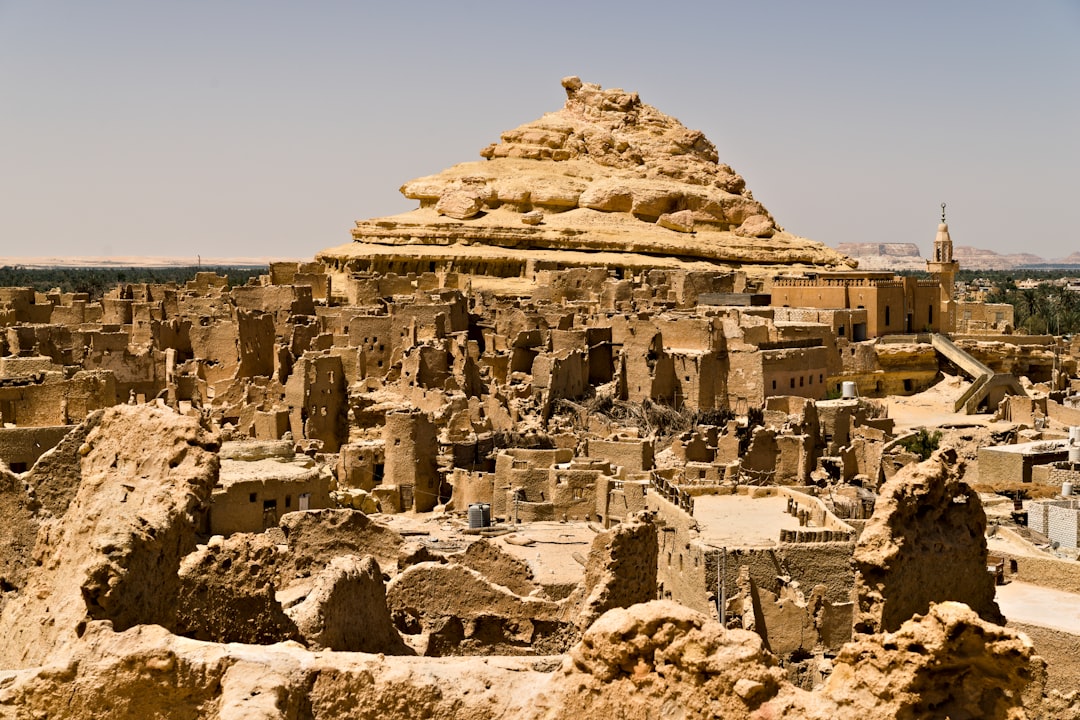
The damage extends beyond the immediate humanitarian crisis to Tyre's irreplaceable cultural heritage. The city's archaeological sites, which include Roman hippodrome ruins, Byzantine mosaics, and Phoenician harbor works, have survived millennia of wars and invasions. Each new conflict tests their resilience anew.
In this region, today's headline is yesterday's history repeating. has weathered the 1975-1990 civil war, repeated Israeli-Palestinian confrontations, and the 2006 war between Israel and Hezbollah. Each time, residents have returned to rebuild. But observers note the cumulative toll—both physical and demographic—is reshaping the city's character.