
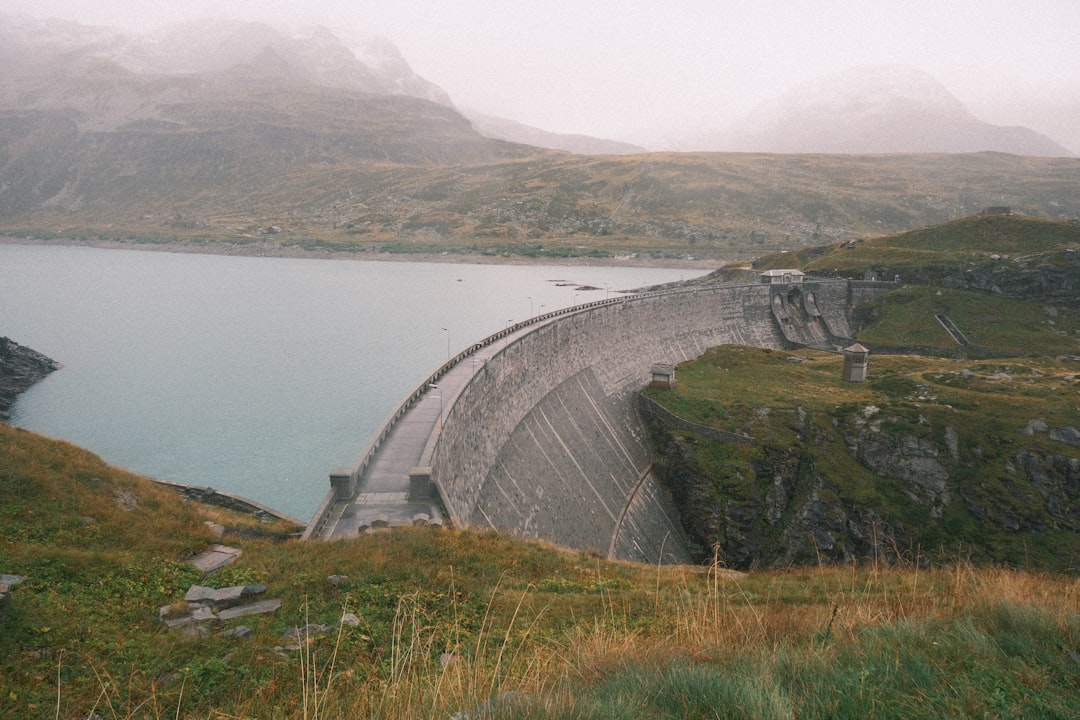
New Zealand has used fast-track powers to approve Lake Onslow pumped hydro scheme, the country's largest-ever infrastructure project, designed as massive energy storage to enable 100% renewable electricity — but the economics remain hotly debated.
Infrastructure Minister Chris Bishop has referred the Clutha Pumped Hydro project to a fast-track consenting panel, Newsroom reports. The scheme would dramatically expand the existing lake by raising water levels 85 metres, flooding approximately 7,100 hectares of Central Otago land.
Mate, Lake Onslow is either visionary climate infrastructure or an expensive white elephant — depends who you ask. Fast-tracking it shows how serious New Zealand is about renewable energy, but the economics are still hotly debated.
The facility would generate up to 1,000 megawatts of electricity and could produce approximately 4 terawatt hours of power over six months of operation — exceeding all current national hydro generation combined. The project functions as energy storage: pumping water uphill during off-peak periods to address dry-year power shortages.
The previous government's NZ Battery Project estimated construction at $16 billion with 3,000 direct jobs over four years. The private consortium now developing it, led by former Transpower chair Dr. Keith Turner, projects a scaled-back version creating 1,500 jobs instead.
Turner's consortium includes former minister David Parker and Christchurch lawyer John Hardie as co-directors, alongside Reserve Bank chair Rodger Finlay. "In the context of energy security, the sooner this project gets built the better," Turner stated.