Researchers at the University of Missouri have developed a lab-grown algae system that efficiently removes microplastics from water, offering a potential biological solution to one of the most pervasive environmental pollutants, according to university research.
Microplastics—fragments smaller than 5 millimeters—have infiltrated every ecosystem on Earth, from Arctic snow to human bloodstreams. Conventional filtration struggles with particles this small, and chemical treatments raise environmental concerns. A biological approach using algae represents an elegant alternative that works with natural processes rather than against them.
The Missouri team engineered algae strains that bind to microplastic particles through surface interactions, forming aggregates large enough to settle out of water or be filtered mechanically. In laboratory tests, the algae removed up to 70-80% of microplastics from test samples within days.
In climate policy, as across environmental challenges, urgency must meet solutions—science demands action, but despair achieves nothing. The algae research exemplifies solution-focused science amid narratives dominated by environmental collapse.
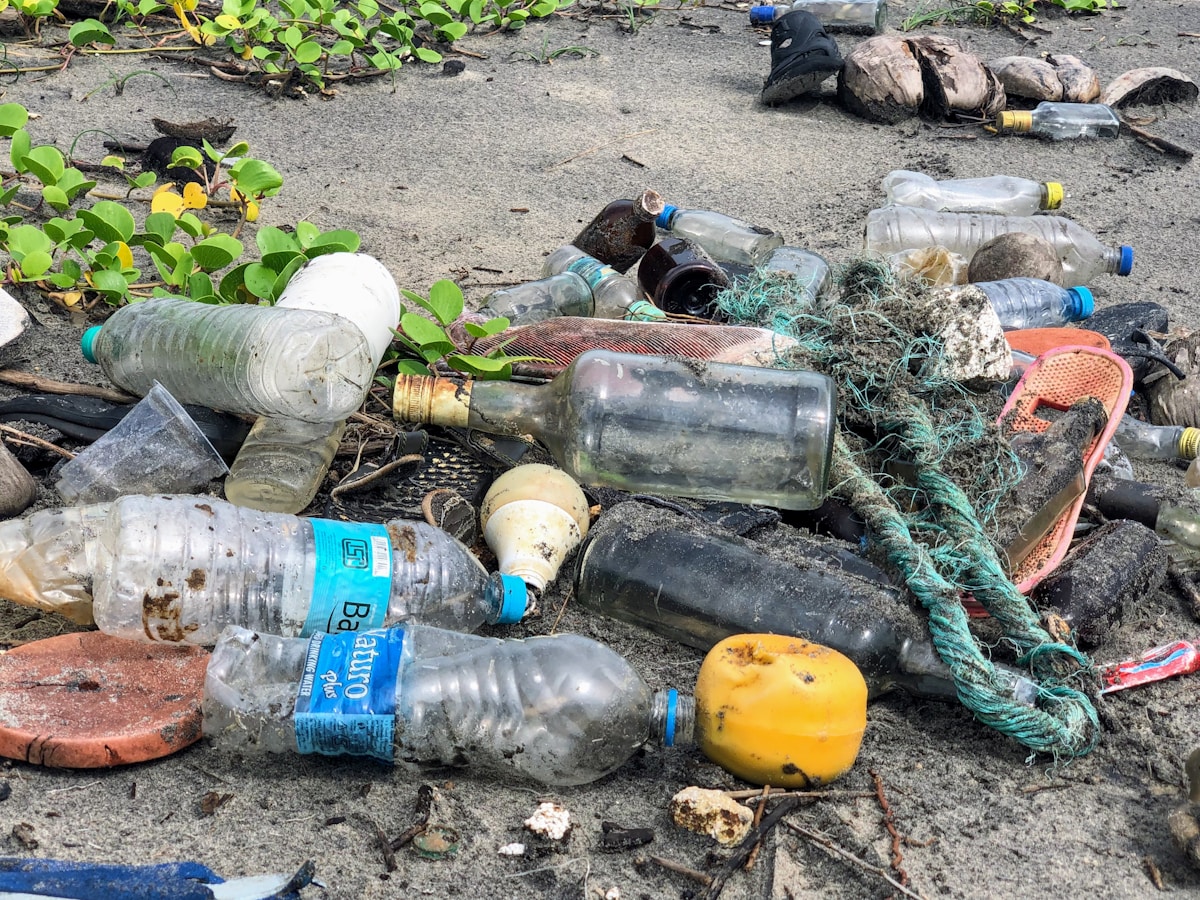
Microplastic pollution has emerged as a global crisis over the past decade. Plastics break down into ever-smaller fragments but never fully degrade, accumulating in water, soil, and living organisms. Research has detected microplastics in human placentas, lung tissue, and bloodstreams, though health impacts remain uncertain.
Conventional wastewater treatment removes only 50-90% of microplastics, allowing billions of particles to enter waterways daily. Ocean ecosystems face particularly severe contamination, with microplastics consumed by organisms at every level of the food chain.
The algae solution works through biosorption—microplastics adhere to algae cell surfaces through electrostatic forces and physical entanglement. Once bound, the algae-plastic aggregates can be harvested through conventional settling tanks or filtration systems.
Scalability remains the critical question. Laboratory success must translate to before impact becomes significant. Wastewater treatment facilities, industrial discharge points, and potentially even ocean cleanup operations could theoretically deploy algae systems.