
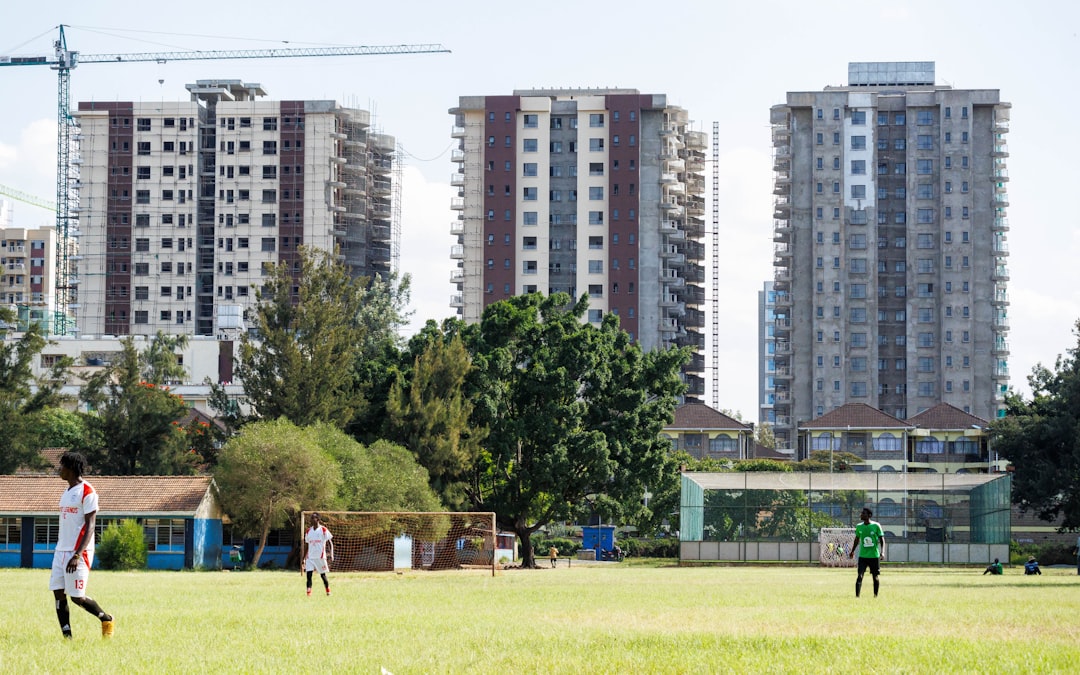
Kenya's urban future is being written behind gates and security checkpoints, as wealthier residents increasingly abandon chaotic public spaces for private enclaves that offer what the state cannot: order, infrastructure, and safety.
The trend, visible from Nairobi to Mombasa, raises uncomfortable questions about the future of African cities. Are private gated communities a pragmatic response to governance failures, or the formalization of inequality that will define the continent's urban landscape for generations?
Dr. Jane Wanjiru, an urban planner at the University of Nairobi, describes the phenomenon as "secession by the middle class." Her research shows that gated communities have proliferated across Nairobi's periphery over the past decade, particularly in areas like Kiambu, Ruiru, and along Thika Road.
"These aren't just homes," Dr. Wanjiru explained. "They're complete ecosystems with their own water supply, waste management, security, schools, and shopping. Residents have essentially opted out of the city."
The appeal is obvious. In these developments, roads are paved and pothole-free. Water runs 24 hours from private boreholes. Garbage collection happens on schedule. Security guards screen visitors. Children play in parks that are actually maintained.
Outside the gates, Nairobi tells a different story. Traffic congestion worsens annually. Garbage piles up in informal settlements. Water shortages are routine. Public spaces deteriorate from neglect and informal encroachment.
Tom Muthoni, a resident of Thindigua, moved his family into a gated community three years ago. "I was tired of living in chaos," he said.