
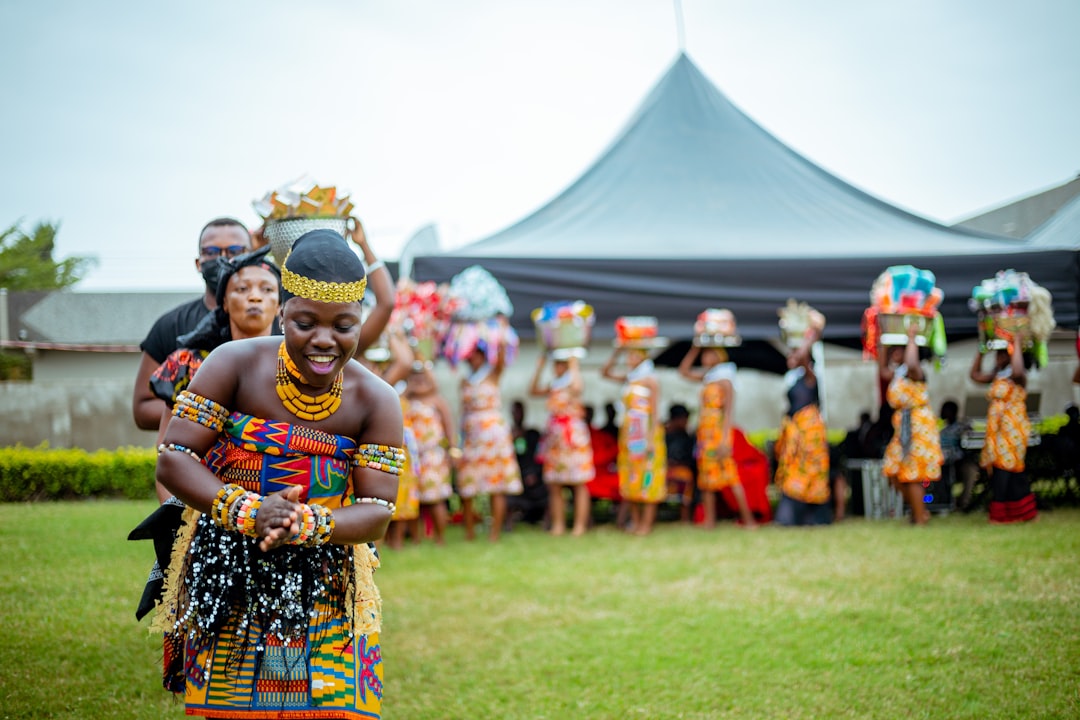
South Africa — The AbaThembu Kingdom has issued a strong denunciation of violence following tensions over a controversial coronation ceremony involving an Igbo community leader in South Africa, highlighting complex questions about traditional authority, diaspora identity, and cultural recognition in the Rainbow Nation.
The dispute centers on a ceremony in which an Igbo diaspora community member was reportedly crowned using symbols and protocols associated with indigenous South African traditional leadership. The AbaThembu Kingdom's statement condemned violent incidents that emerged from the controversy, while asserting the importance of respecting traditional protocols and cultural boundaries.
The AbaThembu people, one of South Africa's significant isiXhosa-speaking nations, occupy territory in the Eastern Cape Province and maintain traditional leadership structures recognized under South African law. The kingdom has historical significance—Nelson Mandela himself was born into AbaThembu royalty—and contemporary political influence through traditional leadership institutions.
The current controversy illustrates tensions between different conceptions of tradition, authority, and belonging in contemporary South Africa. Nigeria's Igbo diaspora community, substantial and economically significant in South African cities, maintains cultural organizations and leadership structures. But the coronation dispute suggests conflicts between diaspora community governance and established traditional leadership frameworks.
In South Africa, as across post-conflict societies, the journey from apartheid to true equality requires generations—and constant vigilance. That journey includes navigating complex questions about African identity, intra-African migration, and the meaning of belonging in a nation built on ideals of pan-African solidarity yet rooted in specific ethnic and traditional structures.
Traditional leadership occupies a unique constitutional position in South Africa. The Constitution recognizes traditional authorities while establishing democratic governance, creating a dual system that sometimes generates tensions. Traditional leaders exercise authority over customary law matters and rural governance, receiving state recognition and funding while participating in provincial Houses of Traditional Leaders.