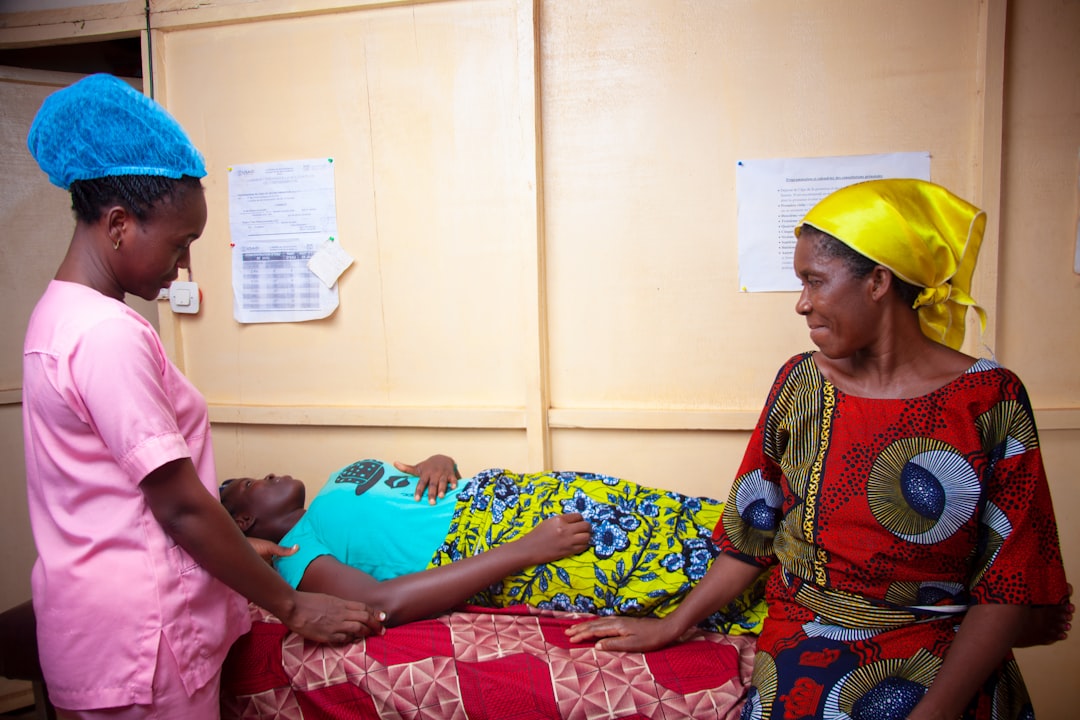
Ghana is grappling with a sharp increase in kidney disease cases, according to public health data that has alarmed medical professionals across West Africa.
The surge has sent Ghanaian nephrologists scrambling for explanations, examining everything from water quality to dietary shifts as the country confronts a silent health crisis affecting thousands.
Dr. Kwame Agyei, a nephrologist at Korle Bu Teaching Hospital in Accra, told local media that dialysis centers are overwhelmed. "We're seeing patients in their 30s and 40s, people who should be in the prime of their lives," he said. "This isn't just about aging populations anymore."
The pattern mirrors troubling trends across the continent, but Ghana's spike appears particularly acute. While comprehensive national data remains patchy, clinicians report waiting lists for dialysis stretching months, with many patients unable to afford the roughly 400 cedis ($26) per session required three times weekly.
Several factors may be driving the increase. Researchers point to rising rates of hypertension and diabetes, both major kidney disease risk factors, linked to changing diets heavy in processed foods and salt. Urbanization has brought lifestyle shifts that traditional health systems weren't designed to address.
But environmental concerns loom large. Water contamination from illegal mining, or galamsey, has polluted rivers across Ghana's mining regions. Heavy metals including mercury and arsenic have been detected at dangerous levels in water sources serving millions.
Dr. Comfort Asare, an environmental health specialist at the University of Ghana, is leading research into the link. "We're finding elevated creatinine levels in communities downstream from mining sites," she explained. "The kidneys are filtering toxins they were never meant to handle."
The crisis also exposes 's healthcare infrastructure gaps. The country has fewer than 100 nephrologists for a population exceeding 33 million. Kidney transplants, while technically available, remain prohibitively expensive and rare.