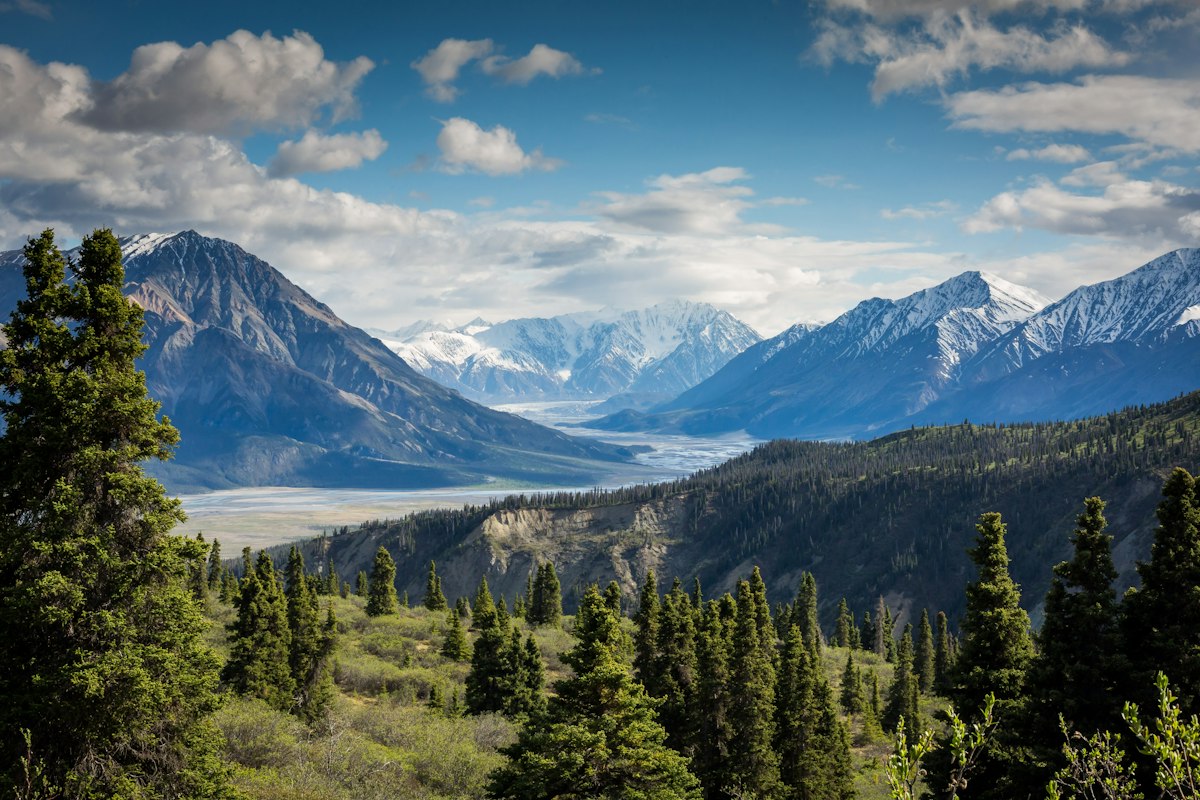
As Everest Base Camp treks grow progressively more crowded and expensive - entry permits, helicopter rescues, and queue management consuming an industry of their own - serious trekkers are pivoting to the Karakoram. A detailed firsthand report on r/travel documents what the K2 Base Camp and Gondogoro La crossing actually demands - and why the investment is worth every logistical headache.The full route runs 13 days from Skardu to Skardu, with the trek beginning in Askole and ending in Hushe after crossing the Gondogoro La pass. Total Islamabad-to-Islamabad itineraries typically run 19 to 21 days. "Nearly the entire thing is spent walking the Baltoro Glacier," the report notes, "so you should be prepared for multiple days of walking on scree and ice and camping on it as well."The landscape rewards the effort at a scale that stops even experienced trekkers cold. "Every single day I thought I'd seen the best of it and every single day I was wrong," the trekker wrote. "When you walk into Concordia and suddenly K2, Broad Peak, the Gasherbrums are all just there... someone in my group even started crying in disbelief. Someone once called it the throne room of the mountain gods and that's about right."The Gondogoro La crossing - the technical crux of the route at approximately 5,585 metres - requires microspikes and a harness. It is not a mountaineering route but it demands serious fitness, acclimatization, and experienced guides who know the pass conditions. This is not a trip you can spontaneously book: because the route passes through a controlled area of Pakistan, a licensed guide is legally mandatory, a special trekking and mountaineering visa is required, and permit processing means a minimum three-month advance booking window.The logistical overhead is substantial: agencies arrange licensed guides, porters, camping equipment, and all food for the duration. Booking last-minute or independently is not an option. But what the route delivers in return is something experienced trekkers consistently describe as irreplaceable: the trekker wrote.On safety: the report notes explicitly that the trekker is a western woman and was - a point that matters given that 's adventure tourism reputation still carries unfair baggage in Western media. For serious trekkers ready to commit to the preparation: , high-altitude fitness training should begin at least four months before departure, and research into licensed operators should start immediately given the permit lead time.
|