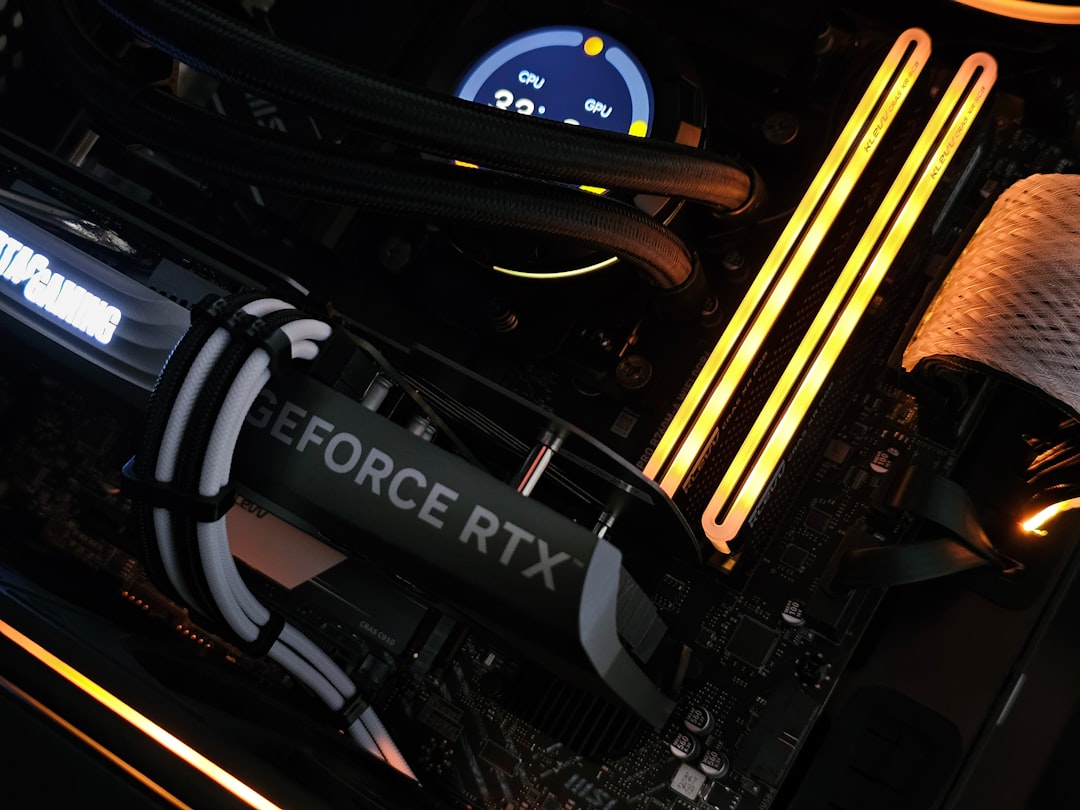
Nvidia CEO Jensen Huang declared that he "loves constraints" during recent remarks about the ongoing AI chip shortage—a statement that has drawn reactions ranging from philosophical appreciation to eye-rolling from customers who just want to buy GPUs without waiting six months.
Speaking about supply limitations that have left AI companies scrambling for compute capacity, Huang argued that constraints force better decision-making. According to Tom's Hardware, he suggested that scarcity of Nvidia chips means customers can only choose "the very best" projects and applications, implying that unlimited availability would lead to waste and poor prioritization.
It's a very Jensen thing to say—equal parts Zen philosophy and convenient rationalization for a supply chain that can't keep up with demand.
Here's the charitable interpretation: He's not wrong that constraints drive creativity and focus. When resources are unlimited, organizations tend to throw hardware at problems instead of optimizing. When GPUs are scarce and expensive, teams are forced to think harder about efficient architectures, better algorithms, and whether they actually need to train another foundation model. Some of the most impressive AI research has come from groups with limited compute budgets who had to be clever instead of brute-force.
Here's the less charitable interpretation: Nvidia controls the AI hardware market with near-monopoly power, can't manufacture chips fast enough to meet demand, and the CEO is reframing the shortage as a feature rather than a failure. Customers paying massive premiums for chips that were supposed to ship months ago probably aren't feeling the Zen benefits of constraint.
The shortage is real and has significant consequences. AI companies are competing for limited datacenter capacity, paying premium prices for access to Nvidia's latest GPUs, and in some cases delaying research or product launches because they can't secure hardware. Startups are at a particular disadvantage—hyperscalers like Microsoft and Google get priority access through direct relationships and volume commitments, while smaller companies scramble for whatever capacity they can find.