
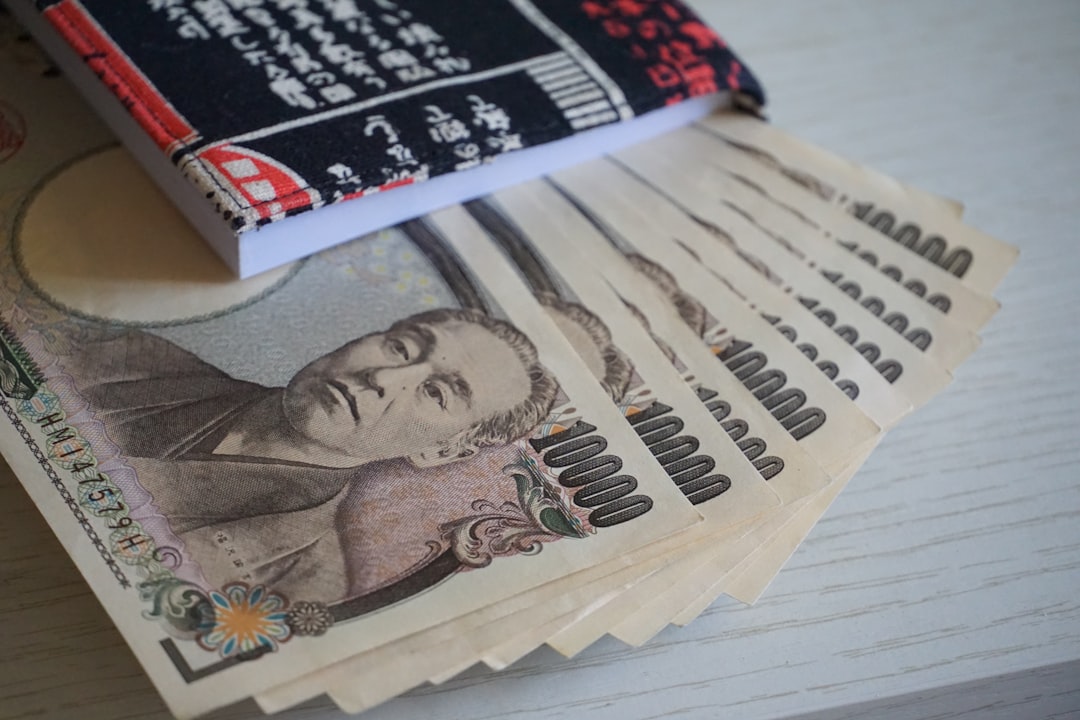
Tokyo is preparing to intervene in currency markets to support the weakening yen, with the rare and significant backing of the United States Treasury, according to Mainichi reports.
The intervention, if executed, would mark a departure from typical US Treasury policy, which has historically discouraged currency intervention except in cases of extreme volatility. The American support signals Washington's growing concern about regional financial stability and the spillover effects of yen weakness on global markets.
The yen has been under sustained pressure as the Bank of Japan maintains ultra-loose monetary policy even as other major central banks, including the Federal Reserve, have kept rates elevated to combat inflation. The divergence in monetary policy has driven the yen to multi-decade lows against the dollar, raising import costs for Japanese consumers and businesses.
Japan's Finance Ministry has repeatedly warned that it stands ready to take "decisive action" against excessive currency movements. In 2022, Tokyo conducted its first yen-buying intervention in 24 years, spending an estimated ¥9 trillion ($62 billion at current rates) to support the currency. Those interventions provided only temporary relief.
What makes the current situation different is the explicit American support. Traditionally, the US Treasury has viewed currency intervention skeptically, particularly when conducted by major economies. The shift suggests a recognition in Washington that yen weakness has broader implications for the US-Japan alliance and regional economic stability.
A weaker yen makes Japanese exports more competitive, potentially putting pressure on American manufacturers. But it also strains Japanese households facing higher costs for imported food and energy. More significantly from a strategic perspective, currency instability could undermine Japan's economic foundation at a time when Washington is counting on Tokyo to play a larger role in regional security.
The Bank of has maintained its yield curve control policy despite mounting pressure to normalize rates. Governor , who took office last year, has signaled a gradual shift away from ultra-loose policy but has moved cautiously to avoid disrupting financial markets or derailing 's fragile economic recovery.