While most travelers associate India with temples, bustling cities, and mountain treks, a tropical archipelago in the Bay of Bengal is quietly emerging as one of the country's most compelling destinations - and it looks nothing like mainland India.
The Andaman and Nicobar Islands, a Union Territory located closer to Thailand than Mumbai, offer turquoise water, white sand beaches, and some of the clearest diving in Asia - all at a fraction of better-known destinations' costs.
What Makes the Andamans Different
"What I loved most about the Andamans was how untouched many places still feel compared to mainland Indian tourist destinations," one recent visitor posted after exploring Neil Island and Havelock Island.
That's the key distinction. While Goa has evolved into a full-scale resort scene and Kerala's backwaters attract tour groups by the dozens, the Andamans maintain an authenticity increasingly rare in Indian tourism.
The Islands: Different Vibes, Same Stunning Water
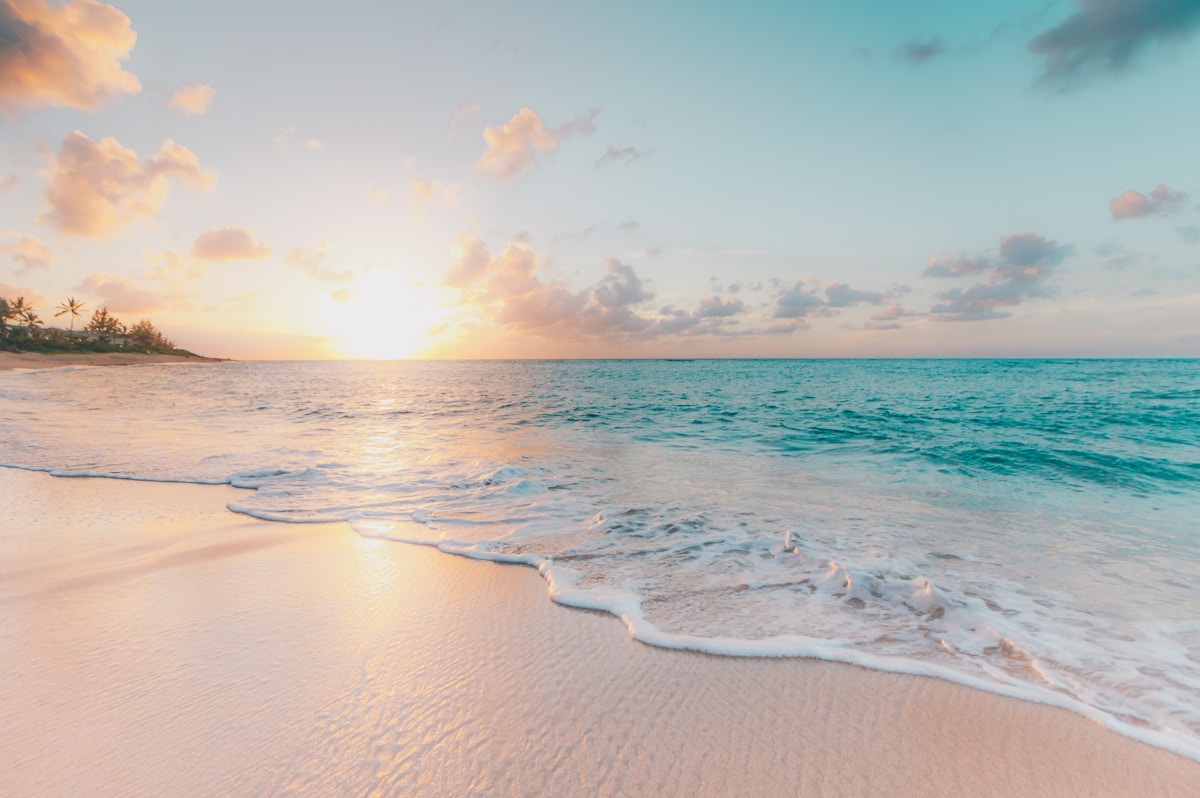
Neil Island (officially Shaheed Dweep) delivers quiet, slow-paced island life. Empty roads, turquoise water, and sunsets that "didn't look real" according to multiple visitors. This is where you go to completely disconnect.
Havelock Island (officially Swaraj Dweep) offers more energy: dense tropical forests, white sand beaches, and the clearest water in the archipelago. Radhanagar Beach consistently ranks among Asia's best, and unlike many "best beaches," it actually deserves the reputation.
Both islands are connected by regular ferries from Port Blair, the capital. The ferry system is reliable and affordable - exactly the kind of infrastructure that makes independent travel feasible.
Diving: The Real Draw
The Andamans offer some of India's only world-class diving and snorkeling. Coral reefs, schools of tropical fish, and visibility that often exceeds 20 meters make underwater exploration the highlight for many visitors.
"Scuba diving felt surreal, especially for someone experiencing it for the first time," one traveler noted. "Photos really don't capture how blue and clear the water actually is."
Diving costs here undercut Thailand and the Philippines significantly: • Discover Scuba (first-time dive): ₹3,500-4,500 (roughly $42-54) • Open Water certification: ₹25,000-30,000 (roughly $300-360) • Fun dives for certified divers: ₹2,500-3,500 per dive (roughly $30-42)
For comparison, similar diving in Thailand's popular destinations runs 30-50% higher.
The Pace of Island Life
"Life moves slower there, and after a few days you start adapting to the rhythm of the islands," multiple travelers note.
This isn't a destination for cramming in sights. Ferry schedules dictate movement between islands, many beaches remain undeveloped, and limited nightlife means early nights are standard.
For travelers exhausted by mainland India's intensity - the crowds, the noise, the constant negotiation - the Andamans offer the opposite extreme. It's still India administratively, but the vibe is pure tropical island.
Practical Planning
Getting There: Fly into Port Blair from major Indian cities (Delhi, Mumbai, Chennai, Kolkata). International visitors need standard Indian visas - no special permits required for most islands.
When to Visit: October through April offers the best weather. December-February sees peak crowds and highest prices. May-September brings monsoons that can disrupt ferries and diving.
Budget: Comfortable travel runs ₹2,500-4,000 per day ($30-48) including mid-range accommodation, food, and activities. Budget backpackers can manage on ₹1,500-2,000 daily ($18-24). This is significantly cheaper than Thailand or Bali.
Time Needed: Minimum one week. Two weeks allows proper island-hopping without rushing. Many travelers underestimate distances and ferry schedules, then feel rushed.
Who Should Visit
The Andaman Islands suit travelers who: • Want tropical beaches without the crowds of Southeast Asia • Enjoy diving or want to learn • Appreciate slower travel and aren't rushing between highlights • Want to experience a completely different side of India • Travel on a budget but don't want to sacrifice natural beauty
This isn't the destination for party seekers, luxury resort devotees, or travelers who need constant activity and nightlife.
The Sustainability Question
The Andamans' relative obscurity protects them for now, but that's changing. Indian domestic tourism is growing rapidly, and islands that felt empty five years ago now see weekend crowds from mainland cities.
The infrastructure isn't keeping pace. Waste management, reef protection, and sustainable development lag behind visitor growth. The next 5-10 years will determine whether the Andamans maintain their character or follow Goa's path toward overdevelopment.
Visitors who respect reefs, support local businesses, and travel responsibly help preserve what makes these islands special.
The best travel isn't about the destination - it's about what you learn along the way. The Andaman Islands teach that India contains multitudes - including tropical paradise that rivals anywhere in Southeast Asia, at prices that make extended stays actually affordable.