Planning a Great Britain road trip that balances iconic sights with manageable driving? A traveler who recently completed a 14-day journey from London to the Scottish Highlands shares practical insights on what worked, what to skip, and why British weather actually enhances the experience.
The Route That Works
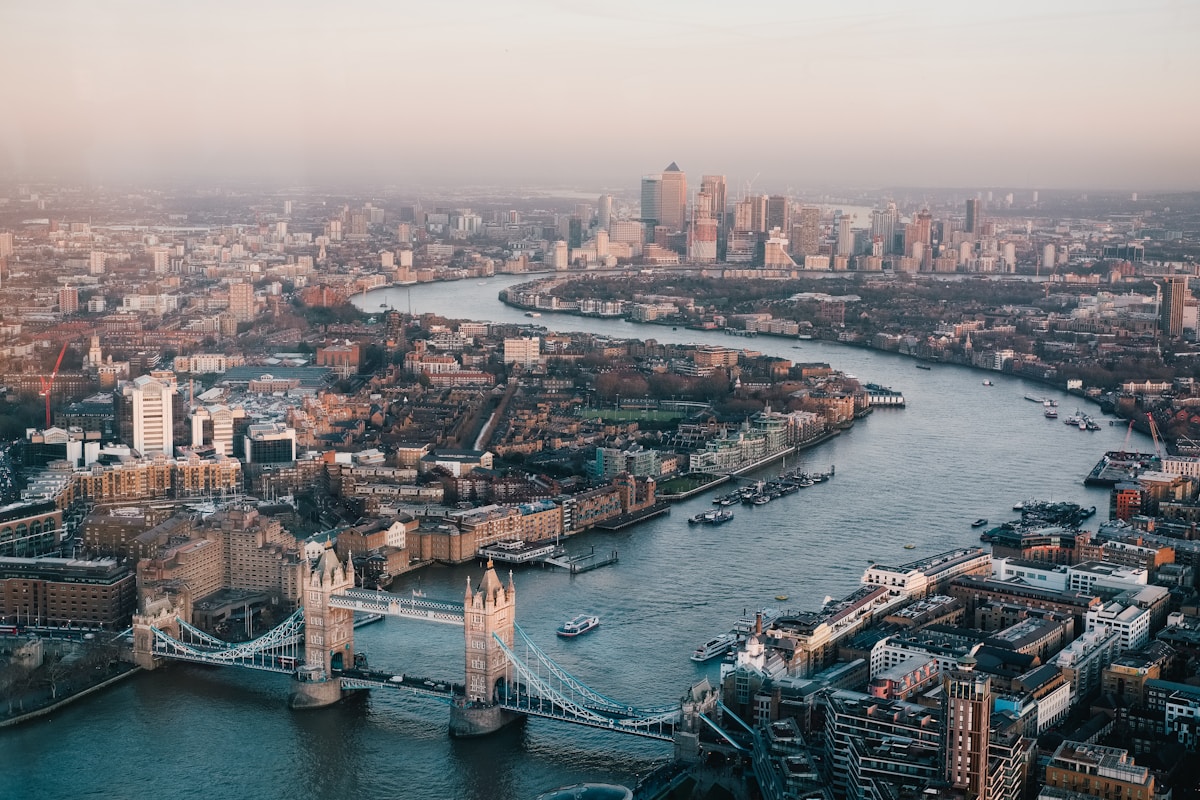
Starting in London, the itinerary wound west through Stonehenge and Bath, through Cotswolds villages, then north via Oxford, York, Edinburgh, the Highlands, and back south through Hadrian's Wall, the Lake District, Manchester, and Cambridge.
What makes this route effective: it follows a logical geographic loop without excessive backtracking, balances cities with countryside, and builds intensity (starting gentle in the Cotswolds, peaking in Scotland, then easing back down).
Highlights That Delivered
Cotswolds Villages: Bibury's Arlington Row delivers the quintessential English village aesthetic. The traveler emphasized winding through multiple villages rather than rushing between them - the driving itself becomes the experience.
York: "Beautiful but much smaller than I expected," one traveler noted. Two days covered museums, the cathedral, and city walls comfortably. This is important for planning - York doesn't require three nights.
Edinburgh: "A real delight, but we felt like 2 days was roughly enough to finish all the museums and get a feel of the city." For a road trip itinerary, this pacing makes sense. Extended stays suit those making Edinburgh a destination, but road-trippers can cover highlights efficiently.
Highlands Drive: The route past Glencoe and Fort Augustus to Loch Ness delivered the most visually stunning driving. However, Loch Ness itself proved "slightly underwhelming" - the landscape around it beats the actual loch viewing spots.
Hadrian's Wall at Housesteads: The best-preserved section of Roman Britain's most impressive structure. More impactful than many expect.
What to Skip or Modify
Warwick Castle: Skipped for looking "kitschy and commercialized" - a valid concern. It's heavily commercialized with jousting shows and costumed actors. History enthusiasts find value, but those who've seen European castles might find it disappointing.
Loch Ness Route: Consider alternative routes to Inverness or extending to the Isle of Skye and Iona instead. The mythical Loch Ness draw doesn't match reality.
Still on the List: Wales, Scottish islands, Cornwall, Kent, and Durham remain for future trips - demonstrating that even two weeks barely scratches Britain's surface.
The Food Debate
"British food is actually excellent," the traveler insists, citing haggis, steak and ale pie, and Sunday roast. But prices shocked even prepared visitors: "The prices are ghastly though, but maybe that's because we went to cities more frequented by tourists."
Reality check on costs: • Pub meals: £12-18 ($15-23) • Restaurant dinners: £25-40 per person ($32-50) • Sunday roast: £15-22 ($19-28)
These prices exceed most of Western Europe. Budget accordingly or plan self-catering for some meals.
Weather: Asset or Liability?
"I truly believe Britain and Ireland are the only places in the world where gloomy weather can accompany the sights quite well and contribute to a nice atmosphere."
This is genuinely true. Misty Highlands, overcast York, and rainy Lake District all feel atmospheric rather than disappointing. Clear days feel like bonuses, not requirements.
That said, pack proper rain gear. "Rarely had any clear days" means waterproofs aren't optional accessories.
Practical Road Trip Tips
Driving: Left-side driving intimidates many, but most adapt within a day. Roundabouts become second nature. Rural roads are narrow - allow extra time and patience.
Accommodation: Book ahead, especially in smaller towns and Highlands areas where options are limited. September-October (when this trip occurred) sees fewer tourists than summer but still requires advance planning.
Time Estimates: What looks like 100 miles might take 2.5 hours on winding A-roads. Don't plan 5 hours of driving followed by exhaustive sightseeing.
Parking: City center parking is expensive and complicated. Use park-and-ride systems where available.
Two Weeks Is a Minimum
This itinerary covered massive ground but still missed significant regions. Wales, Cornwall, and Scottish islands each deserve week-long trips themselves.
For first-timers wanting a comprehensive Great Britain overview, 14 days works well. For those able to return or focus on specific regions, going deeper beats going broader.
Who This Trip Suits
This route works for travelers who: • Enjoy driving as part of the experience • Want variety - cities, countryside, coast, mountains • Don't need perfect weather • Appreciate history and landscapes equally • Have 2+ weeks available
If you want beaches and sunshine, go to the Mediterranean. If you want dramatic landscapes regardless of weather, atmospheric history, and genuine cultural variety within one nation, Great Britain delivers.
The best travel isn't about the destination - it's about what you learn along the way. A Great Britain road trip teaches that a country smaller than many US states contains extraordinary diversity - if you take time to explore beyond London.