Jamaica is facing a growing reputation problem that goes far beyond typical tourist complaints.
A detailed trip report from Negril has reignited conversations about persistent issues plaguing the island's tourism industry: aggressive hawkers, hostile service interactions, and privatized beaches that make the Caribbean destination feel less like paradise and more like an obstacle course.
The Pattern of Problems
According to the traveler's account on r/travel, which garnered hundreds of upvotes and extensive discussion, basic interactions with store clerks were marked by rudeness and borderline hostility. Simple greetings went unanswered. Beach relaxation proved impossible, with aggressive weed smoking and drunk hawkers approaching every 10 minutes offering bracelets, t-shirts, and various items.
"Some wouldn't take no for an answer and would stick around trying to push more items onto you," the traveler reported.
The harassment doesn't stop at the waterline. Entering the ocean brings boat operators offering snorkeling and parasailing. Walking anywhere means constant stops from taxi drivers and motorcyclists selling weed. Even restaurant visits include homeless individuals requesting food purchases and aggressive looks from other customers.
The Privatization Problem
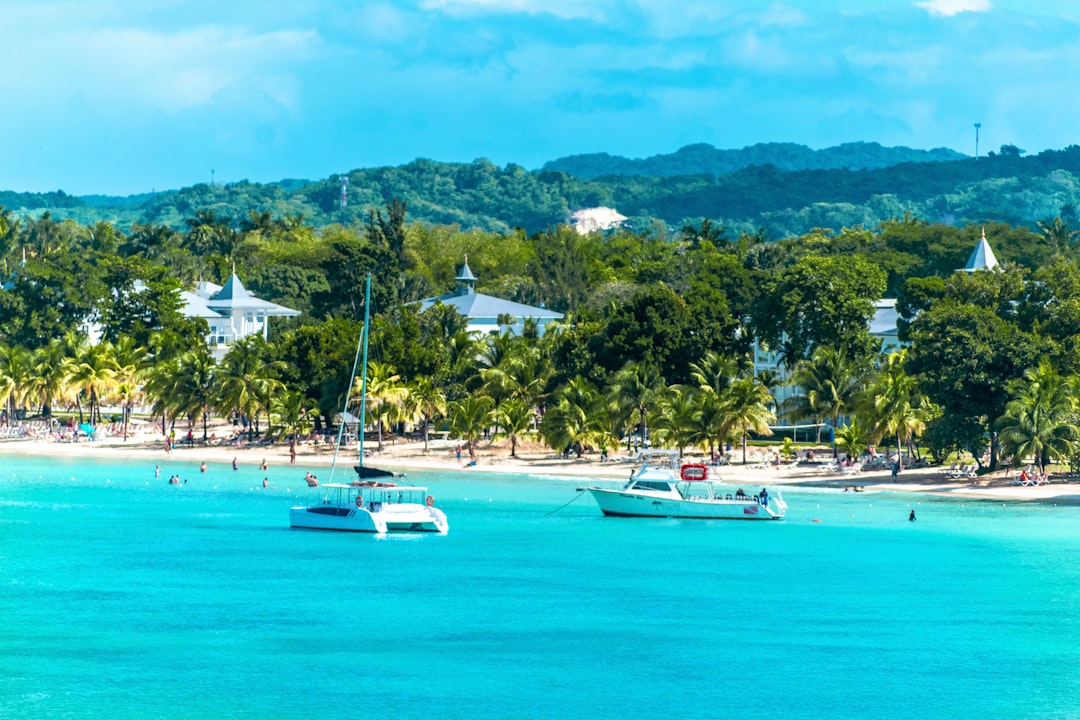
Perhaps most frustrating: most of Negril's coastline is privately owned by hotels, making beach access difficult. Public property extends only to the high tide line, forcing visitors onto crowded hotel strips.
This contrasts sharply with other Caribbean islands where parking roadside and accessing empty beaches remains standard.
A Pattern, Not an Isolated Incident
The trip report echoes a common refrain from Jamaica visitors. Multiple commenters shared similar experiences, noting the constant sense of being "on edge rather than relaxed" - a sensation rarely reported from neighboring Caribbean destinations.
has long marketed itself as a paradise destination, but travelers are increasingly vocal about systematic issues that extend beyond typical tourist hassles. Until the industry addresses aggressive harassment and beach privatization, the island risks losing visitors to more welcoming Caribbean alternatives.