United States has admitted 4,499 refugees since October 2025, with 4,496 of them coming from South Africa—a statistic that has ignited diplomatic tensions and reopened painful questions about race, privilege, and the legacy of apartheid.
The figures, reported by the BBC, reveal an extraordinary concentration: just three refugees from the rest of the world entered the US during this period, while thousands of South Africans—overwhelmingly white—were granted refugee status under controversial policies enacted during the Trump administration.
The refugee program, which allows white South Africans to claim persecution based on racial grounds, has drawn sharp criticism from the South African government and civil society organizations. Critics argue it undermines South Africa's post-apartheid reconciliation efforts and signals American endorsement of discredited narratives about "white genocide" that have been repeatedly debunked by independent researchers.
"This policy is deeply offensive to South Africa's democratic project," said one government official speaking on background. "It suggests that white South Africans face persecution comparable to Syrians fleeing civil war or Rohingya fleeing ethnic cleansing. The data simply doesn't support such claims."
The numbers represent a dramatic shift in US refugee policy. Under previous administrations, South African refugees constituted a tiny fraction of annual admissions. The current concentration—99.9% from a single country—is unprecedented in modern American refugee history.
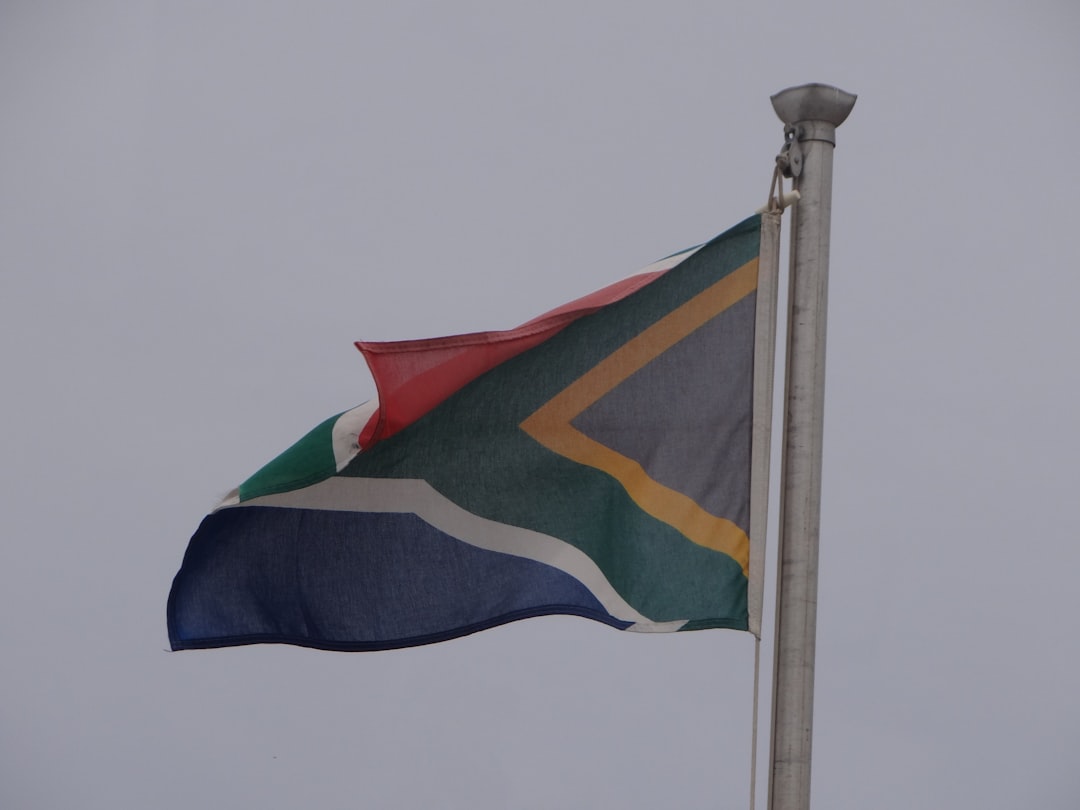
The policy has created awkward diplomatic tensions between Washington and Pretoria. South Africa, a BRICS member nation with growing geopolitical influence, has protested the characterization of its society as one where white citizens face systematic persecution. The country's murder statistics, while high overall, show no evidence of racial targeting; crime affects South Africans of all backgrounds in a nation still grappling with extreme inequality.
Human rights organizations have noted that the policy exploits legitimate concerns about crime and governance failures while ignoring the context: South Africa's challenges stem from decades of institutionalized racism under apartheid, which concentrated wealth and opportunity in white hands while denying basic rights to the Black majority.
"The irony is profound," noted one analyst. "Many of those claiming refugee status benefited enormously from apartheid's racial hierarchy. Now they claim victimhood in a democratic system that has, despite its flaws, extended rights and protections to all citizens for the first time in the country's history."
The policy's timing is also significant. It coincides with South Africa's complex political transition, including the fracturing of the ANC's historic alliance and growing opposition strength. Critics suggest the refugee program exploits these democratic growing pains to paint a misleading picture of racial persecution.
In South Africa, as across post-conflict societies, the journey from apartheid to true equality requires generations—and constant vigilance. But that journey must be assessed honestly, not through the distorted lens of policies that treat democratic reform as persecution.
The South African government has requested formal consultations with Washington about the refugee policy, though no meetings have been scheduled. Meanwhile, the flow continues: hundreds of South Africans arrive monthly, granted refugee status based on claims that would be unrecognizable to those who fought apartheid—or to refugees from actual persecution worldwide.