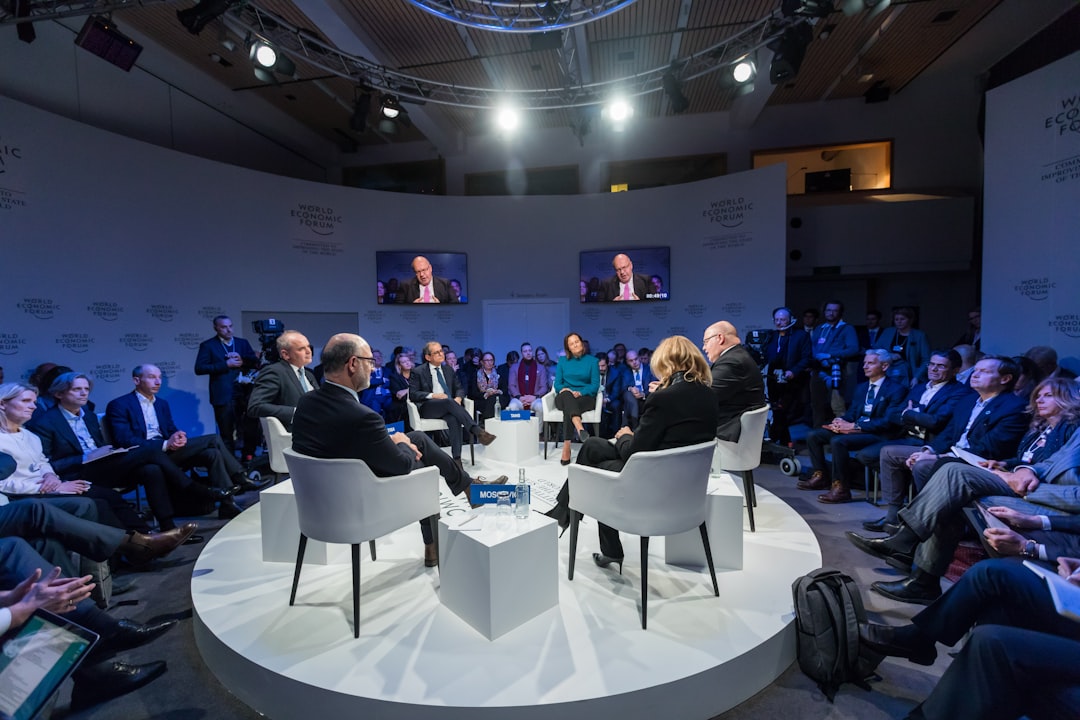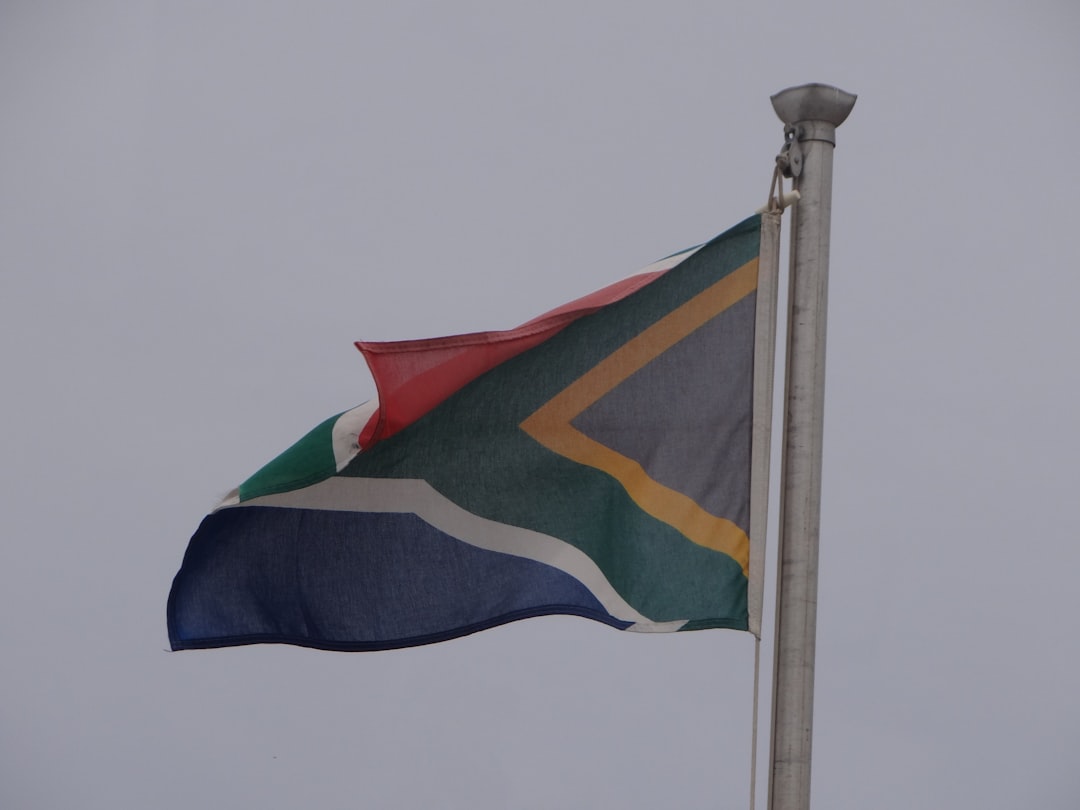
The United States' extraordinary refugee policy for white South Africans—admitting 4,496 in six months while accepting just three refugees from the rest of the world—is not an aberration. It represents the latest iteration of a century-long effort to maintain racial homogeneity in English-speaking settler societies.
Scholars have documented the pattern connecting today's refugee program to the White Australia policy, America's own Chinese Exclusion Act, and Canada's historical preference for European immigrants—all designed to preserve white majorities in former British colonies.
"These weren't isolated national policies," explained one historian of migration. "They were coordinated efforts by English-speaking nations to maintain racial hierarchies even as formal empires dissolved. The language has changed, but the logic persists."
The White Australia policy, officially in place from 1901 to 1973, explicitly restricted non-European immigration through language tests designed to fail non-white applicants. Canada maintained similar restrictions until the 1960s. The United States excluded Chinese immigrants outright from 1882 to 1943 and maintained national-origin quotas favoring Northern Europeans until 1965.
What unites these historical policies with today's South African refugee program is the construction of white populations as uniquely deserving of protection. During the late colonial period, this was explicit. Today it operates through coded language: "farm attacks," "minority persecution," and "reverse discrimination."
The factual basis remains thin. South Africa's murder rate is high across all racial groups, correlating with poverty and inequality rather than race. The country's farm attack statistics, frequently cited by refugee claimants, show rural crime affects all farmers regardless of race—and occurs at rates lower than urban violence.
Yet the refugee program treats white South Africans as a persecuted minority comparable to Yazidis fleeing ISIS or Rohingya escaping genocide in Myanmar. The disparity is stark: Syrian refugees, fleeing actual civil war, face years of vetting and frequently rejection. White South Africans claiming persecution in a democratic country with constitutional protections receive expedited processing.
"This isn't about refugee protection," noted one immigration scholar. "It's about demographic engineering. The policy exploits legitimate refugee frameworks to facilitate white migration while excluding brown and Black refugees facing far greater dangers."
The historical parallels extend beyond immigration restriction to the narratives justifying them. White Australia was defended as protecting "civilization" and "standards." Today's South African refugee program deploys similar rhetoric: protecting a "beleaguered minority" and preserving "Western values."
Both narratives erase inconvenient history. South Africa's white population accumulated enormous wealth through apartheid's systematic theft of land, labor, and opportunity from the Black majority. The "persecution" they now claim occurs in a democratic system extending rights to all citizens for the first time—a system they violently opposed during the liberation struggle.
The policy also reveals enduring anxieties about decolonization. South Africa's democratic transition represented the final collapse of white minority rule in Africa. For those who viewed apartheid as legitimate governance rather than racist oppression, the transition represents loss rather than liberation.
In South Africa, as across post-conflict societies, the journey from apartheid to true equality requires generations—and constant vigilance. External policies that validate claims of "reverse racism" undermine this journey, suggesting that extending rights to historically oppressed majorities constitutes persecution of former oppressors.
The refugee program's defenders argue it simply protects individuals from violence. But protection would logically extend to all South Africans facing crime, not exclusively white ones. The racial specificity reveals the policy's true purpose: not humanitarian protection but racial preference.
This matters beyond South Africa. Similar narratives have emerged wherever white minorities face political transitions: Zimbabwe, Namibia, and increasingly in discussions about immigration from Europe's former colonies. The pattern suggests a persistent inability to accept multiracial democracy as legitimate.
The policy's impact extends to American domestic politics as well. It reinforces narratives of white victimhood that animate certain political movements, suggesting that diversity and inclusion constitute persecution rather than justice.
Yet history offers a different lesson. Canada, Australia, and the United States ultimately abandoned explicit racial preference in immigration—not from altruism but from recognition that such policies were unsustainable and morally indefensible. Their societies didn't collapse; they became more dynamic and prosperous.
South Africa deserves the same transition: honest assessment of its challenges without the distortion of policies that treat democratic reform as persecution. The refugee program, like the racial policies it echoes, will eventually be recognized as a shameful anachronism. The question is how long it takes—and how much damage it does in the meantime.