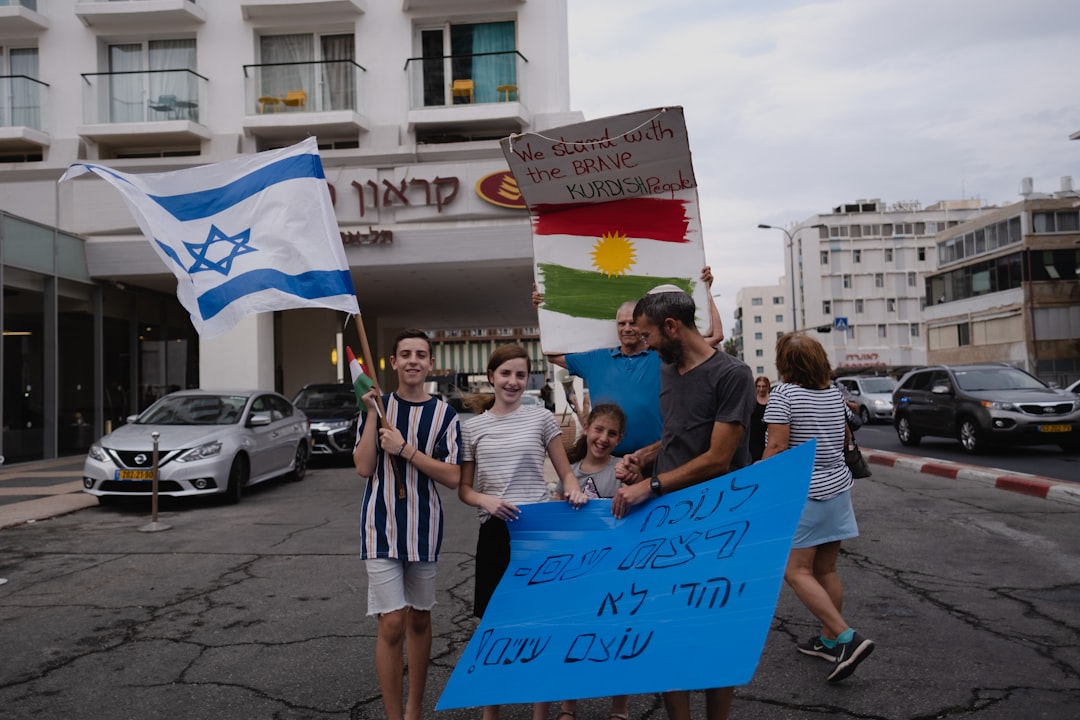
Thousands of Israelis gathered in Tel Aviv this week demanding an end to the war with Iran and the ongoing conflict with Hezbollah, in a rare display of public dissent during active military operations. The protests come as the conflict enters its fourth week with mounting casualties and no clear endgame in sight.
At least 18 people have been killed and over 3,000 injured in Israel since the war began, according to official figures—numbers that continue to climb as missile and drone attacks from Iran and Lebanon force millions into shelters daily. Protesters accused the government of prolonging the conflict with no clear timeline or strategic objectives.
"We don't know what we're fighting for anymore," one protester told reporters, capturing the growing frustration with Prime Minister Benjamin Netanyahu's handling of the crisis. The demonstrators carried signs demanding a ceasefire and questioning the government's strategy in a war that has expanded far beyond initial expectations.
In this region, today's headline is yesterday's history repeating.
Public protests during wartime are uncommon in Israel, where national security concerns typically unite the population behind military operations. The emergence of significant dissent suggests growing cracks in the political consensus that has sustained Netanyahu's government through multiple conflicts.
The protests also reflect deeper questions about the war's trajectory. Initial Israeli strikes on Iran were framed as deterrence and defense, but the conflict has metastasized into sustained operations across multiple fronts—Iran, Lebanon, Iraq, and even the Caspian Sea. The strategic objective beyond degrading capabilities remains unclear.