A nightmare scenario is playing out for travelers who booked through online travel agency Agoda: arriving at hotels that claim they never received payment, leaving exhausted travelers scrambling for last-minute alternatives at their own expense.
One traveler's recent experience at the Atrium Heathrow hotel in London illustrates the problem. After booking and paying for four nights in March 2026, receiving a confirmation receipt stamped and signed, and having their credit card charged, they arrived to find the hotel had cancelled their reservation. The reason? "Agoda didn't pay them the money," according to the hotel manager.
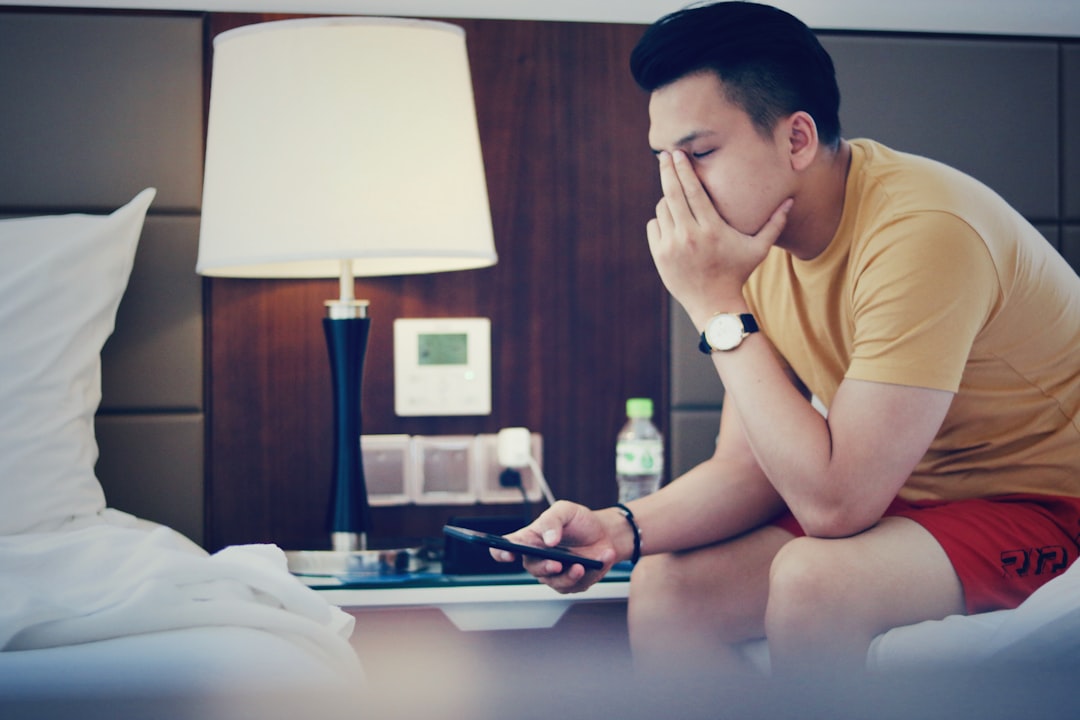
"Lost, tired and dragging our luggage for 4 hours in London, the hotel had no feeling for us at all," the traveler recounted. The situation was compounded by a railway strike, leaving them stranded in an unfamiliar city with no accommodation.
The incident isn't isolated. Multiple travelers report similar experiences with Agoda: confirmed bookings, charged credit cards, but hotels claiming they never received payment from the platform. Review sites are filled with comparable complaints, suggesting a systemic issue rather than occasional glitches.
The problem appears to stem from the way third-party booking platforms handle payments. When you book through Agoda, you pay Agoda - not the hotel. Agoda then is supposed to forward payment to the property. But if that transfer doesn't happen, or happens late, hotels may cancel reservations despite customers having paid.
From the hotel's perspective, they're protecting their inventory. If they haven't received payment confirmation from the booking platform, they can't afford to hold rooms - especially during high-demand periods. From the traveler's perspective, they've upheld their end of the bargain and have proof of payment.
Consumer protection in these situations is murky. Credit card chargebacks are possible but take weeks to process. Agoda's refund policies vary by booking, and travelers report lengthy waits for refunds - sometimes months - when these situations occur. Meanwhile, you're out of pocket for replacement accommodation.
Travel industry experts increasingly recommend booking directly with hotels rather than through third-party platforms. While direct booking may occasionally cost slightly more, it eliminates the middleman payment problem. If issues arise, you're dealing directly with the hotel rather than through a platform's customer service.
When direct booking isn't possible or prices are significantly higher through hotel websites, experts suggest these precautions:
Call the hotel directly after booking to confirm the reservation exists in their system. Don't just rely on the confirmation email from the booking platform.
Save all documentation - confirmation emails, credit card charges, screenshots of the booking. If problems arise, you'll need evidence.
Use credit cards rather than debit cards for easier dispute resolution if issues occur.
Book refundable rates when possible, giving you flexibility to cancel and rebook directly if you discover problems before arrival.
Some booking platforms have better reputations than others. While all third-party booking sites have occasional issues, Booking.com and Hotels.com generally receive fewer complaints about hotels not receiving payment. Expedia-owned properties tend to have more reliable payment processing.
For the traveler stranded in London, they managed to quickly book alternative accommodation through Google. Now they face the frustrating process of trying to recover their money from Agoda - money they had to re-spend on emergency hotel rooms.
The lesson for travelers: When booking travel, the cheapest option isn't always the best option. The stress, expense, and lost time from a failed booking can far exceed any initial savings. In an era of dynamic hotel pricing, direct booking often matches or beats third-party platform rates anyway - especially for loyalty program members.