Bali has long been the poster child for digital nomad life in Asia, but an increasing number of remote workers are discovering an unlikely alternative: Zhuhai, China - a relatively unknown city across the border from Hong Kong and Macau.
For one Australian nomad who spent the last two years on the road, Bali had become frustrating. "Trying to join a work call while the wifi keeps cutting out is a special kind of hell," they explained. "Plus the 'nomad tax' there is getting a bit ridiculous lately."
The decision to try Zhuhai for a month was somewhat random - close enough to Hong Kong but way cheaper, with top-tier tech infrastructure that's "basically a religious requirement" for remote workers. What they discovered was a city that solves many of Bali's pain points.
The most striking difference: reliability. Every coffee shop has better WiFi than apartments back in Brisbane, according to the Australian nomad's report. Unlike Bali's notorious connectivity issues, China's tech infrastructure is world-class in urban areas. Video calls don't drop, uploads happen quickly, and coworking spaces offer enterprise-level internet.
Cost of living presents another major advantage. Zhuhai rent and food costs allowed savings that "basically paid for my entire month here," with the surplus going to "actually good spicy food and beer instead of giving it to some overpriced service back home."
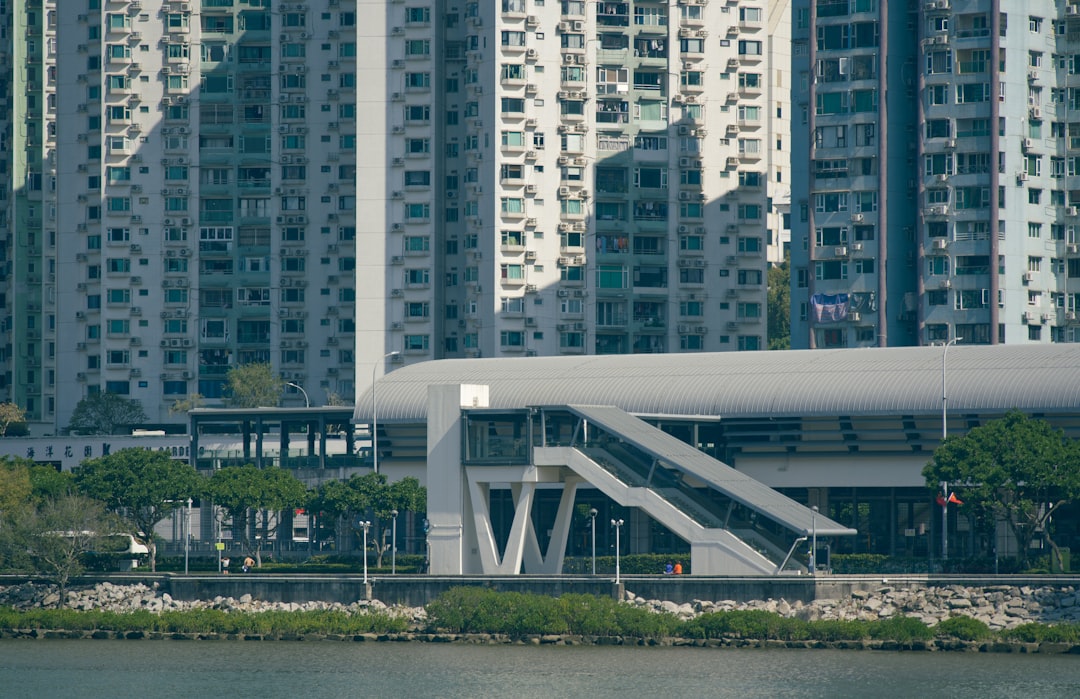
The city itself offers an interesting lifestyle blend. You can walk everywhere, with well-maintained pedestrian infrastructure uncommon in many Asian cities. The environment is clean, efficient, and far less chaotic than typical Southeast Asian nomad hubs.
For Australian nomads specifically, Zhuhai offers an unexpected practical benefit: access to affordable healthcare and services that would cost "basically the price of a small car" back home. The price difference for routine maintenance and basic services is substantial enough that some nomads specifically plan China visits around these needs.
The lifestyle is notably different from Bali's party-hostel vibe. Zhuhai is "just way easier" - no Bali belly, no unreliable infrastructure, and costs that feel realistic rather than inflated by tourist markup. The city isn't flashy or boutique, but everything actually works.
Challenges exist, of course. Language barriers are real - English isn't widely spoken outside international hotels and some restaurants. Navigating China's unique internet ecosystem requires VPN usage for accessing Western platforms. And visa requirements are more complex than Southeast Asia's relatively relaxed entry policies.
The food scene gets high marks, particularly for travelers who appreciate spicy cuisine. Zhuhai's location near Guangdong and Macau means diverse culinary options beyond typical tourist fare.
Cross-border access to Macau and Hong Kong adds appeal. Weekend trips to either destination are straightforward, providing cultural variety and international connectivity when needed. Some nomads use Zhuhai as a base while working on Hong Kong contracts, enjoying massive cost savings versus actually living in one of the world's most expensive cities.
The lack of traditional nomad community could be either drawback or feature, depending on perspective. Zhuhai doesn't have the established expat scenes of Bali, Chiang Mai, or Bangkok. For those seeking social connections, that's limiting. For those tired of running into other digital nomads at every café, it's refreshing.
Several practical considerations for those interested: Visa arrangements require more planning than Southeast Asia. Border crossing from Hong Kong or Macau is straightforward but needs understanding. Setting up Chinese payment apps (WeChat Pay, Alipay) dramatically improves daily life, though foreigners face some restrictions.
Whether Zhuhai becomes the next nomad hotspot remains to be seen. Its appeal seems to attract a specific profile: workers prioritizing infrastructure and efficiency over party scenes and Instagram backdrops. For those tired of Southeast Asia's tourist markup and unreliable internet, it presents a viable alternative worth considering.