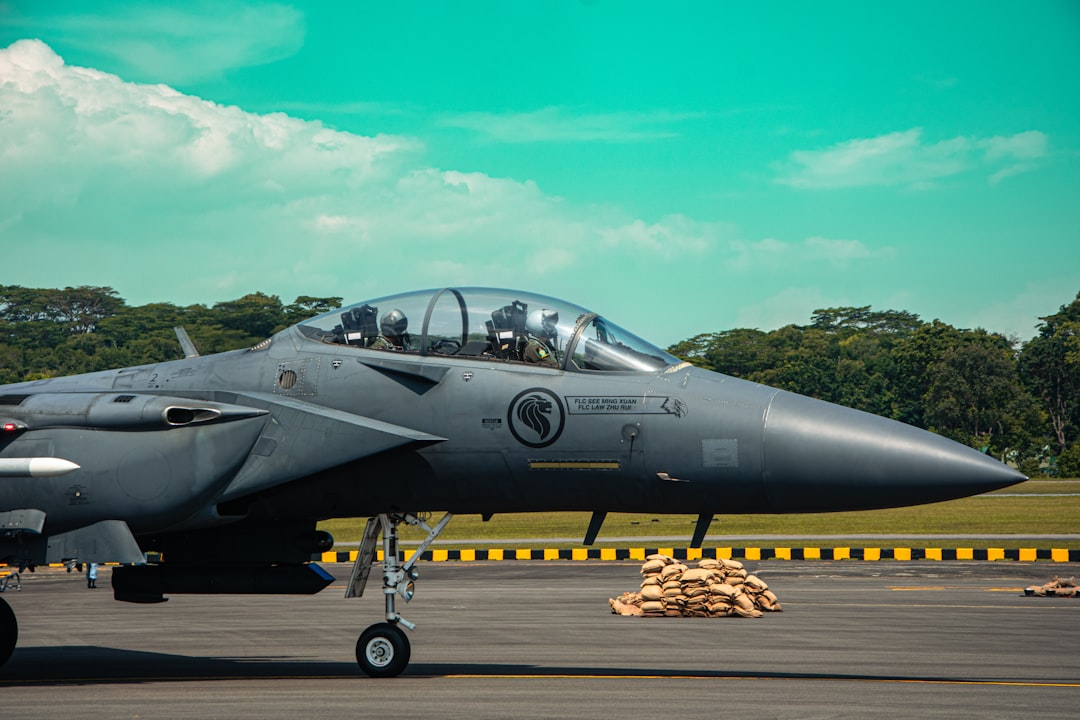
Iran's Islamic Revolutionary Guard Corps released video footage claiming to show the downing of a US F-15E Strike Eagle over central Iranian territory, a claim the Pentagon swiftly denied as escalating tensions reached a critical new threshold.
The IRGC distributed footage purporting to show wreckage of an American fighter jet, marking what would be the first confirmed shoot-down of a US manned aircraft over Iranian airspace if verified. The claim emerged amid intensifying military operations following recent strikes on Iranian facilities.
US defense officials categorically rejected the Iranian assertion, though they declined to provide operational details regarding aircraft movements in the region. The divergence between Tehran's claims and Washington's denial underscores the information warfare dimension accompanying kinetic operations.
If confirmed, the shoot-down would represent a significant demonstration of Iranian air defense capabilities, particularly given the F-15E's electronic warfare systems and operational altitude. The Strike Eagle variant carries advanced countermeasures specifically designed to evade surface-to-air missile systems.
In Iran, as across revolutionary states, the tension between ideological rigidity and pragmatic necessity shapes all policy—domestic and foreign. The IRGC's public release of claimed combat footage serves multiple audiences: domestic constituencies demanding visible resistance, regional allies seeking reassurance of Iranian capabilities, and Western adversaries being warned of escalation costs.
Military analysts noted that Iran operates both Russian-origin S-300 systems and domestically produced air defense platforms, including the Bavar-373 system Tehran claims rivals the S-400 in capability. Recent upgrades to integrated air defense networks, developed partly in response to Israeli strikes, have enhanced early warning and engagement ranges.
The timing of the claim coincides with heightened regional tensions following strikes on Iranian nuclear-related facilities and the assassination of Iranian officials. Tehran has signaled willingness to accept significant escalation costs rather than appear unable to defend sovereignty—a calculation rooted in revolutionary ideology and regime survival imperatives.
Verification remains complicated by operational security concerns on both sides. Neither Washington nor Tehran has incentive to clarify aircraft losses or defensive successes beyond what serves immediate strategic messaging.
Regional powers are monitoring the claims closely, with Gulf Arab states particularly attentive to any demonstration of Iranian air defense effectiveness that might complicate future operations. Israeli defense planners, who have conducted numerous strikes on Iranian positions across the region, are reassessing penetration tactics if Iranian claims prove substantiated.
The information environment surrounding the conflict has grown increasingly contested, with both sides releasing selective footage and claims designed to shape domestic and international perceptions. Previous Iranian claims of successful defensive operations have ranged from fully verified to propagandistic exaggeration, complicating real-time assessment.
Western intelligence agencies are conducting technical analysis of the released footage to determine authenticity, examining wreckage patterns, geographic markers, and aircraft components visible in the video. Such analysis typically requires days to weeks for confident attribution.
The strategic implications extend beyond a single aircraft. Any confirmed shoot-down would force reassessment of air superiority assumptions that have underpinned Western and Israeli operational planning. It would validate Iranian investments in air defense modernization and potentially embolden more aggressive defensive postures.
For the Iranian public, state media emphasized the shoot-down claim as evidence of successful resistance to foreign aggression, reinforcing narratives of defensive capability that help sustain public support amid economic hardship from sanctions. Regime legitimacy increasingly rests on demonstrating effective sovereignty defense.
The claim also carries risks for Tehran. If disproven conclusively, it undermines credibility of future operational claims. If verified but followed by intensified American operations, it could accelerate an escalation spiral the regime may not control.
Military observers noted that modern air campaigns involve calculated risk of aircraft losses, with both sides maintaining operational tempo despite casualties. The question becomes whether such losses alter strategic calculations or merely punctuate ongoing operations.