
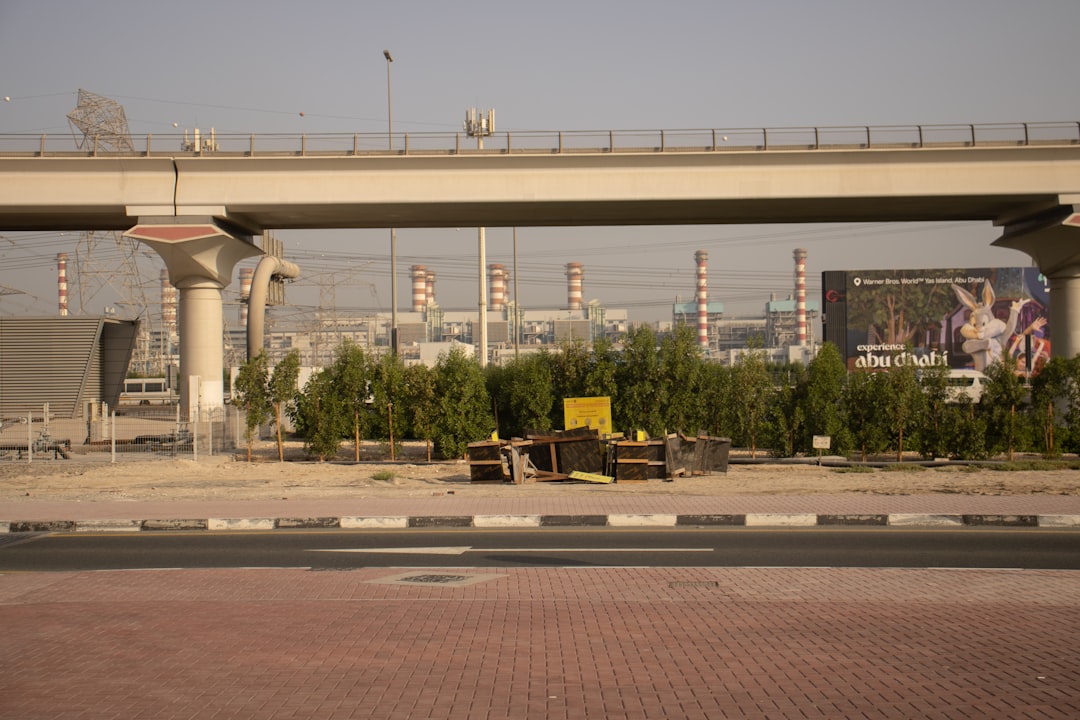
One person died and sixteen others were injured in an incident at the Habshan Gas Field in Abu Dhabi, one of the UAE's most critical energy facilities, authorities confirmed Thursday.
The incident occurred at the sprawling gas processing complex, which handles a significant portion of the Emirates' natural gas output. UAE officials have not disclosed details about the cause of the incident, stating only that an investigation is underway.
Habshan's Strategic Importance
The Habshan field represents a cornerstone of the UAE's energy infrastructure. Located in the western desert region of Abu Dhabi, the facility processes natural gas from multiple offshore and onshore fields, serving both domestic consumption and export markets. The complex includes processing plants, storage facilities, and pipeline infrastructure connecting to regional distribution networks.
The facility's significance extends beyond commercial energy production. As the UAE has diversified its economy away from oil dependence, natural gas has become increasingly important for power generation and industrial development. Habshan supplies gas-fired power plants that keep Dubai's air conditioning running and Abu Dhabi's industrial zones operating.
Timing Raises Questions
The incident comes as regional tensions escalate dramatically. Iranian strikes have hit targets across the Gulf, including an Oracle data center in the UAE earlier this week. The Strait of Hormuz has seen shipping disruptions, and military aircraft have been downed over Iranian territory.
However, authorities have not suggested any connection between the Habshan incident and regional hostilities. Industrial accidents at complex energy facilities, while uncommon, do occur even during peacetime operations. Gas processing involves high pressures, volatile materials, and intricate equipment that can fail for various technical reasons.
The UAE has not activated emergency protocols or raised threat levels in response to the incident, suggesting officials view it as distinct from regional conflict developments.
Economic Implications
Any prolonged disruption at Habshan would have cascading economic effects. The UAE imports approximately 90% of its food and relies heavily on just-in-time supply chains for consumer goods. Energy-intensive desalination plants produce most of the nation's drinking water, while climate control systems in the desert environment are non-negotiable infrastructure.
Natural gas prices in regional spot markets showed minimal movement following news of the incident, suggesting traders expect limited impact on supply. The UAE maintains strategic reserves and has contingency arrangements with neighboring producers to ensure continuity during emergencies.
Regional Context
The Emirates has invested heavily in energy security infrastructure over decades of development. Multiple processing facilities, diverse supply sources, and strategic storage capacity provide redundancy that insulates the economy from single-point failures.
This diversification reflects lessons learned from the UAE's transformation from a modest oil producer into a global business hub. Energy reliability underpins everything from financial services in Dubai to aluminum smelting in Abu Dhabi.
In the Emirates, as across the Gulf, ambitious visions drive rapid transformation—turning desert into global business hubs. That transformation depends on infrastructure resilience, from gas fields to ports to data centers.
The deceased worker has been identified as an Egyptian national, according to social media reports. The sixteen injured individuals are receiving medical treatment, though authorities have not disclosed the severity of their conditions or their nationalities.
An official investigation into the incident's cause is ongoing. Results will likely inform safety protocols across the UAE's extensive energy sector, which has maintained a strong safety record despite operating in challenging desert conditions.