
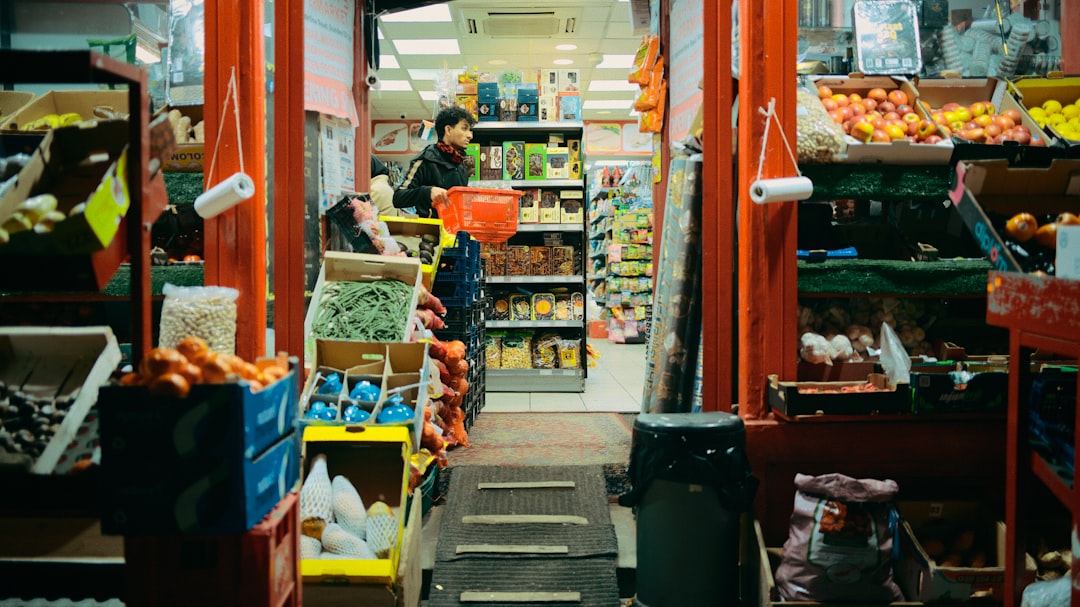
Restaurant owners and retailers across the UAE are reporting severe supply chain disruptions as regional conflict closes shipping routes and grounds cargo flights, exposing the Emirates' vulnerability in a critical area: the nation imports 90% of its food.
Fresh meat that typically arrived within 24 hours of slaughter now takes four days to reach Dubai restaurants, owners report. Chicken suppliers are clearing old frozen inventory as fresh supplies dwindle. Tomato prices have tripled in a week, jumping from 13 dirhams for 8 kilograms to 44 dirhams for 6 kilograms—a 270% increase per kilogram—while quality has deteriorated noticeably.
"We pay our utmost attention to the quality and taste of our food, but due to the current situation nothing is in our hands," one restaurant owner posted on social media, apologizing to customers for both rising prices and declining standards. "If you see your local place increase price by a couple of dirhams or the quality has gone down, don't lash out at them."
The 90% Problem
The UAE's 90% food import dependency represents the flip side of its remarkable economic transformation. Dubai and Abu Dhabi built themselves into global business and logistics hubs by leveraging geography, infrastructure investment, and business-friendly policies. But desert geography that made the Emirates a natural trading crossroads also means virtually nothing grows here at scale.
Fresh produce comes from India, Pakistan, and East Africa. Meat arrives from Australia, New Zealand, Brazil, and neighboring countries. Dairy products flow in from Europe and the Gulf. The system works brilliantly during normal times, delivering restaurant-quality ingredients and supermarket variety that rivals any global city.