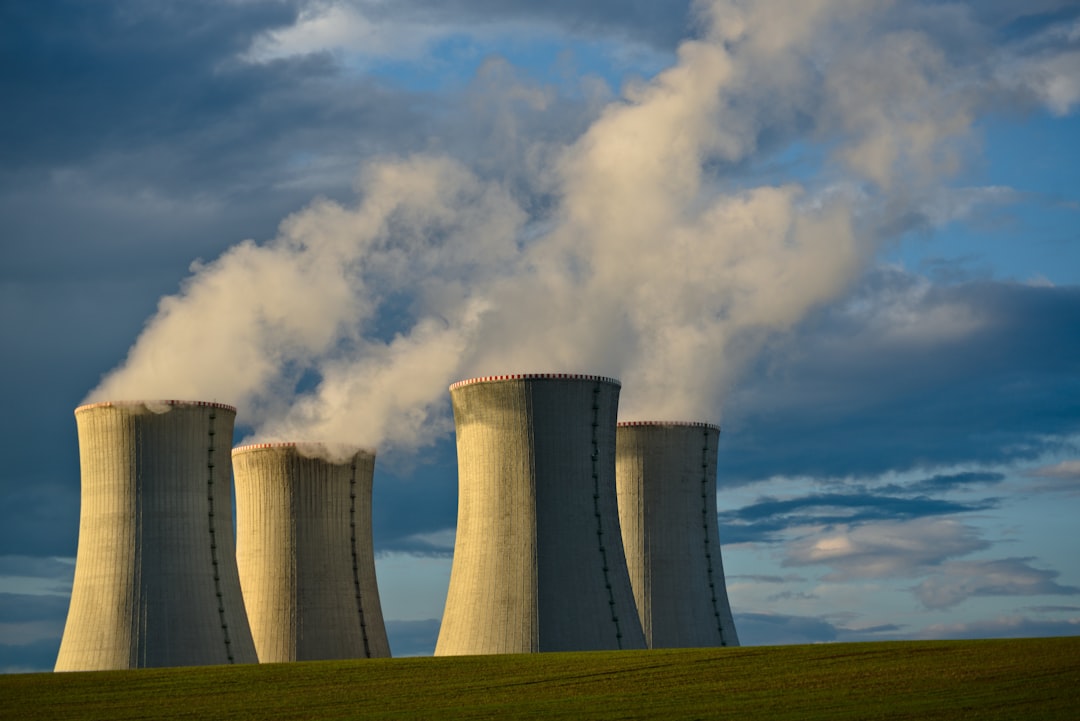
An Iranian drone strike caused an electrical generator fire on the perimeter of the Barakah Nuclear Energy Plant in Abu Dhabi, marking an unprecedented escalation in the Middle East conflict that crosses what many security analysts consider a critical red line—the deliberate targeting of nuclear infrastructure.
Emirati authorities confirmed the attack on Saturday evening, stating there was "no impact on radiological safety" following the strike. The facility, the Arab world's first nuclear power station, houses four reactors with a combined capacity of 5,600 megawatts, supplying approximately 25 percent of the UAE's electricity.
The strike represents a significant departure from previous Iranian tactics in the region. While Tehran has targeted oil infrastructure, military installations, and civilian areas throughout its expanding confrontation with the United States and Gulf allies, this marks the first confirmed assault on a nuclear facility.
To understand today's headlines, we must look at yesterday's decisions. The UAE has maintained a cautious position since joining the Abraham Accords in 2020, attempting to balance commercial relations with Iran while deepening defense ties with Washington and Tel Aviv. That delicate equilibrium appears to have collapsed.
Regional and international responses came swiftly. The International Atomic Energy Agency announced it would dispatch inspectors to assess the incident, with Director General Rafael Grossi calling the targeting of nuclear facilities "unacceptable under any circumstances." Saudi Arabia and Bahrain issued joint condemnations, with Riyadh calling for an emergency Gulf Cooperation Council meeting.
Western capitals expressed alarm at the escalation. A senior European Union official, speaking on condition of anonymity, told reporters in Brussels that "attacking nuclear infrastructure represents a qualitative change in the conflict that demands a coordinated international response."
The timing of the attack coincides with intensifying US military operations against Iranian positions throughout the Middle East. Pentagon officials confirmed this week that American forces have conducted more than 400 strikes against Iranian targets since the conflict began in earnest three months ago, significantly depleting US munitions stockpiles.
Iran's motivations remain subject to interpretation. Some analysts suggest Tehran seeks to demonstrate its capacity to strike critical infrastructure anywhere in the Gulf, effectively holding the region's energy and nuclear facilities hostage. Others argue the regime may be attempting to internationalize the conflict, forcing European and Asian powers with stakes in Gulf stability to pressure Washington toward negotiations.
The Barakah facility, constructed by a South Korean consortium and operated with technology transfer agreements involving France and the United States, has been operational since 2020. Its targeting raises questions about potential cascading effects on international nuclear cooperation in volatile regions.
What remains uncertain is whether this represents a calculated decision at the highest levels of Iran's leadership or reflects increasingly autonomous action by Revolutionary Guard commanders facing mounting military pressure. That distinction may prove critical in determining whether the conflict continues to escalate or whether diplomatic off-ramps remain viable.