Iranian forces seized multiple commercial vessels in the Strait of Hormuz on Tuesday, hours after President Trump announced an indefinite extension of a fragile ceasefire with Tehran, exposing the disconnect between diplomatic rhetoric and actions on the ground.
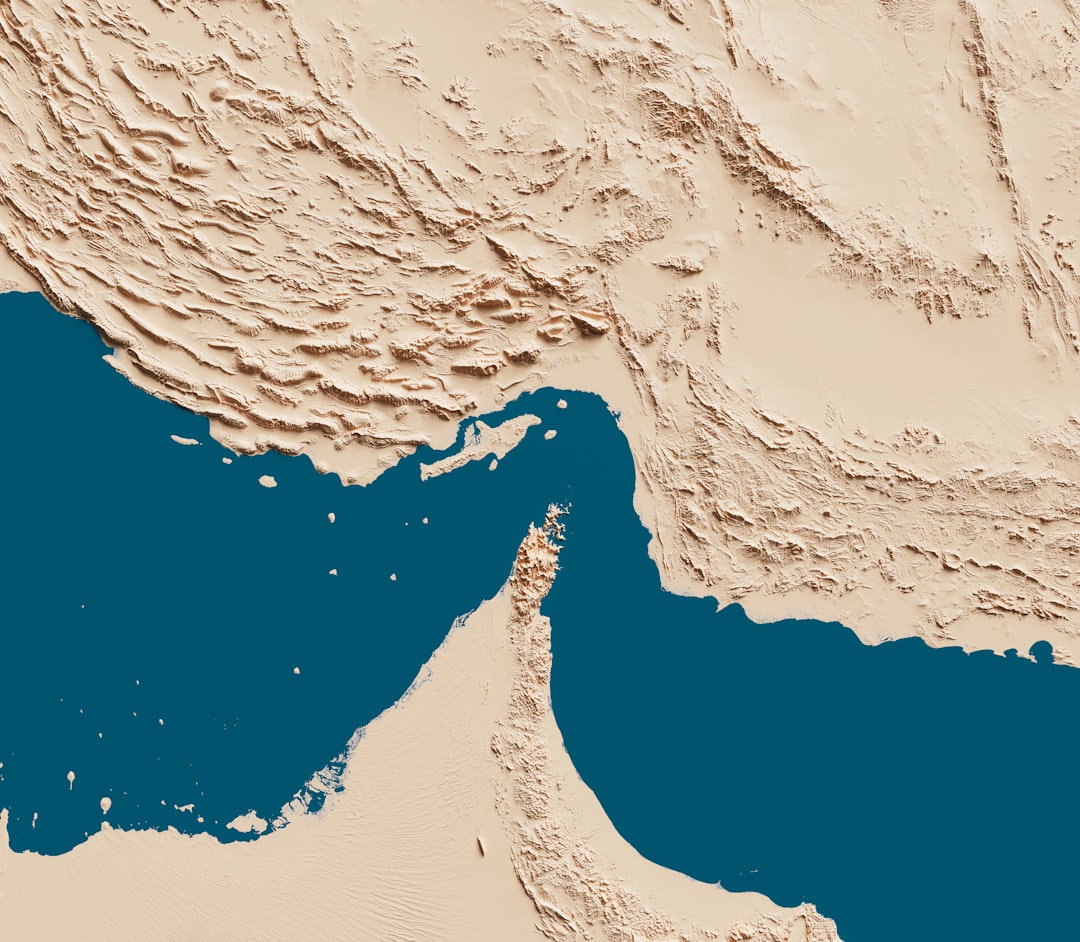
The ship seizures mark the latest escalation in the vital waterway through which nearly one-third of global seaborne oil passes. According to maritime tracking data, Iranian Revolutionary Guard Corps naval units boarded at least two vessels in international waters, though the full extent of the operation remains unclear as of press time.
President Donald Trump announced the ceasefire extension without specifying a new deadline, breaking his pattern of setting firm timelines for negotiations with Iran. The announcement came after weeks of military tensions following Iranian strikes on American bases in the region.
"We're extending the ceasefire indefinitely because we're making tremendous progress," Trump told reporters at the White House, though he provided no details on what progress had been achieved. When asked about Iranian actions in the Strait of Hormuz, the President said negotiations were "very complex."
To understand today's headlines, we must look at yesterday's decisions. The Strait of Hormuz has been a flashpoint for decades, with Iran periodically threatening to close the narrow passage that connects the Persian Gulf to the Gulf of Oman. During the 2019 tanker crisis, Iran seized multiple vessels in similar operations.
The timing of the seizures raises questions about Tehran's commitment to de-escalation. Intelligence sources speaking on background suggest Iran may be testing American resolve while presenting a cooperative face at the negotiating table.
Oil prices jumped 4.2% on the news, with Brent crude climbing to $89 per barrel on concerns about supply disruptions. Shipping insurance costs for vessels transiting the strait have increased by an estimated 15% since the seizures began.
European allies expressed concern about the escalation, with the European Union's foreign policy chief calling for "immediate de-escalation and respect for international maritime law." France and the United Kingdom have naval assets in the region but have not indicated whether they will intervene.
The seizures demonstrate how quickly the security situation can deteriorate despite diplomatic overtures, underscoring the fragility of any agreement with Tehran that lacks concrete verification mechanisms and enforcement provisions.