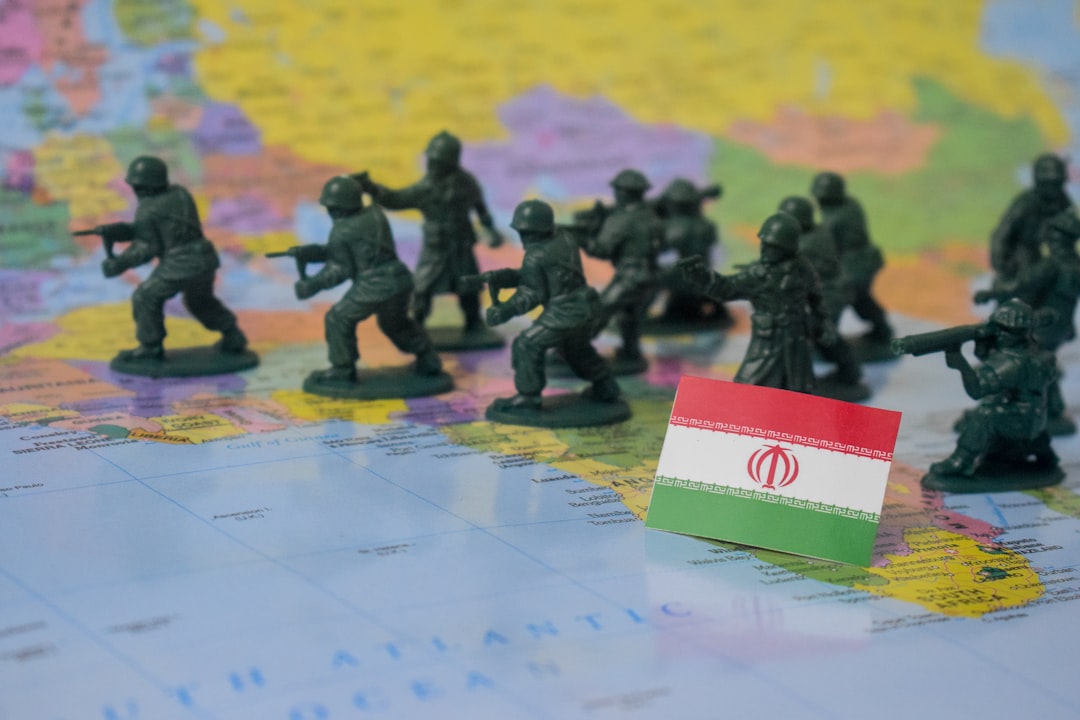
Tehran has rejected the latest United States ceasefire proposal, demanding instead a permanent end to hostilities as President Donald Trump's ultimatum deadline approaches on Tuesday, according to Reuters.
The Iranian response, delivered through diplomatic channels, marks a significant escalation in tensions between Washington and Tehran as the Tuesday deadline looms. President Trump has repeatedly threatened to target Iran's energy infrastructure, warning that "every power plant in Iran will be out of business in four hours" if no agreement is reached.
Iran's foreign ministry emphasized in its response that any ceasefire agreement must include guarantees for a permanent cessation of conflict, not merely a temporary pause. This represents a fundamental disagreement with the US proposal, which Iranian officials characterized as insufficient to address the underlying tensions.
To understand today's headlines, we must look at yesterday's decisions. The current crisis follows decades of fraught relations between Washington and Tehran, including the 2018 US withdrawal from the nuclear deal and subsequent "maximum pressure" sanctions campaign.
According to state media outlet IRNA, Iranian officials have called on the nation's youth to form "human shields around power plants" ahead of the Tuesday deadline, a move that has drawn international criticism and raised concerns about civilian safety. The request represents an unprecedented mobilization of civilians in what could become a direct military confrontation.
The rejection comes as Iran continues to assert control over the , through which roughly one-fifth of global oil supplies pass. The administration has floated the possibility of charging passage fees through the strait, a proposal that would mark a dramatic shift in international maritime law.