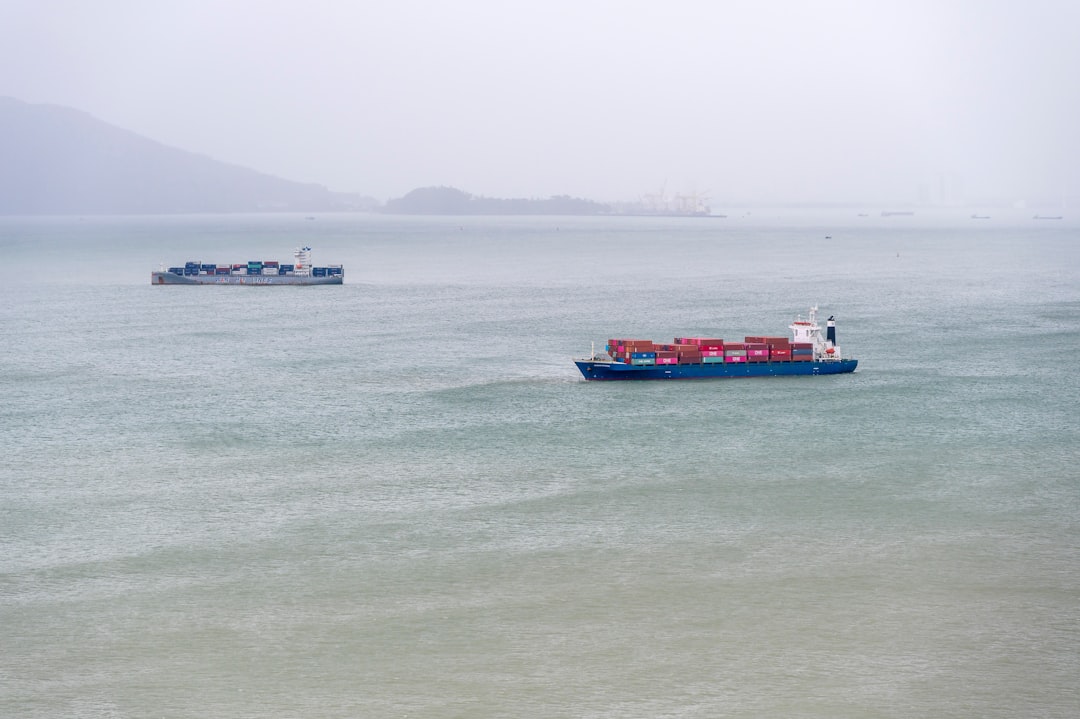
Iran's ambassador to India confirmed Thursday that Tehran is allowing Indian vessels safe transit through the Strait of Hormuz, calling India a friend in comments that reveal the selective nature of Iran's naval blockade.
The envoy's statement, reported by India Today, represents the first official confirmation that Iran is differentiating between vessels based on their country of origin rather than implementing a comprehensive closure of the strategic waterway.
The Strait of Hormuz, a 21-mile-wide channel between Iran and Oman, serves as the world's most important oil chokepoint. Approximately 21 million barrels per day transit the strait under normal conditions, representing roughly one-fifth of global petroleum consumption.
To understand today's headlines, we must look at yesterday's decisions. Iran has threatened to close the strait repeatedly over the past four decades, but never fully implemented such a blockade. The current partial closure demonstrates Tehran's recognition that completely shutting the waterway would unite international opposition, including nations currently neutral or sympathetic to Iranian positions.
India's exemption reflects both nations' longstanding economic relationship. India traditionally ranks among Iran's largest oil customers, though purchases have fluctuated based on international sanctions regimes. New Delhi has also maintained diplomatic independence from Washington on Middle East policy, declining to fully support American pressure campaigns against Tehran.
The selective enforcement strategy allows Iran to inflict economic damage on adversaries while preserving relationships with neutral powers. Reports suggest Chinese and Russian vessels may also receive passage rights, though neither government has officially confirmed such arrangements.