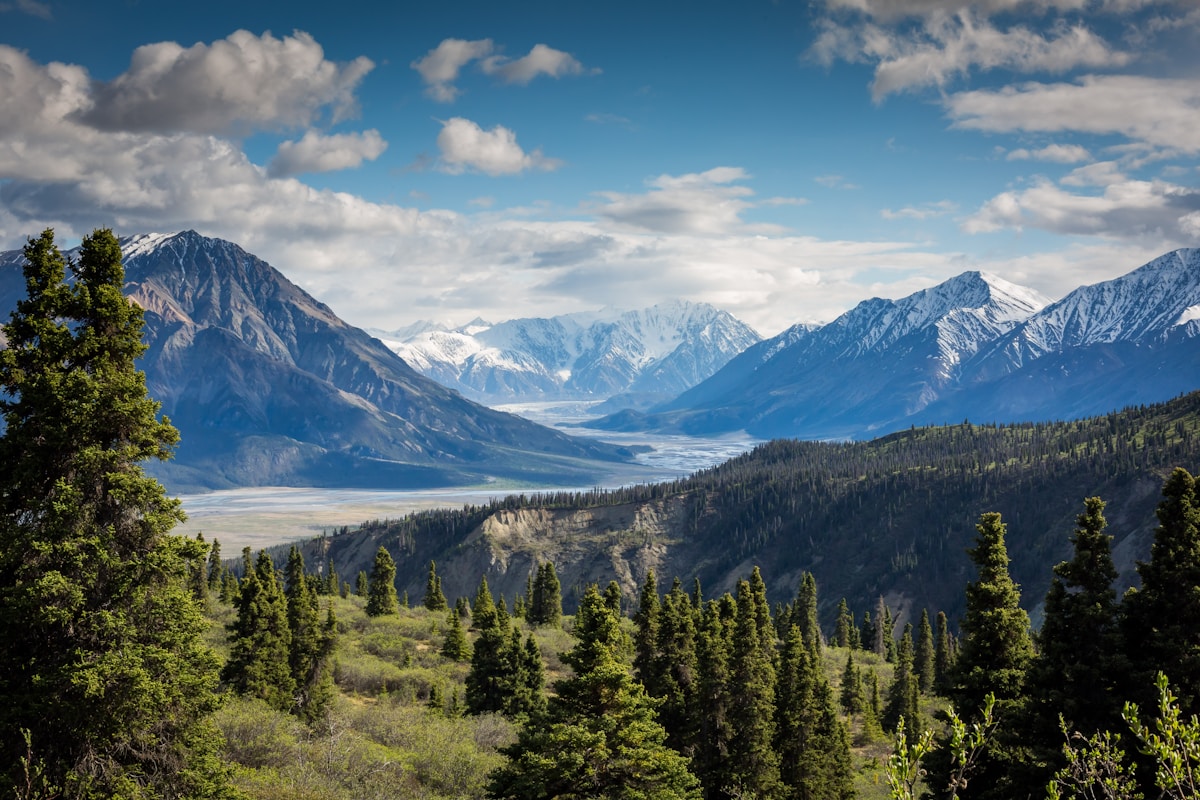
Visiting Tibet isn't like visiting anywhere else. Strict regulations, mandatory guides, and altitude challenges make it one of the world's most logistically complex destinations. But according to travelers who've recently made the journey, it's also one of the most rewarding.
A group of Norwegian travelers recently shared their detailed experience navigating Tibet's tourism system, offering practical insights for anyone considering the trip.
Getting There: The Bureaucratic Reality
Foreigners cannot travel independently in Tibet. You need permits, an organized tour, and a registered guide - no exceptions. Most travelers book through specialized agencies like Tibet Vista that handle permits, hotels, transport, and the required guide.
The process isn't quick. Permit applications can take weeks, and you'll need confirmed tour arrangements before entry. Budget travelers hoping to wing it will hit immediate roadblocks.
One small but annoying detail: Chinese airports strictly enforce power bank labeling regulations. Two travelers in the Norwegian group had power banks confiscated at customs due to missing or unclear labels - not catastrophic, but irritating during a remote trip.
The Train Journey Makes the Trip
Taking the train from Shanghai or Chengdu to Lhasa beats flying for one crucial reason: gradual altitude adjustment. The railway crosses 5,000+ meter passes, helping your body acclimate slowly.
"Watching the landscape change from huge Chinese cities to the Tibetan plateau was unreal," one traveler noted. The train itself becomes part of the experience rather than just transportation.
Even sleeping feels different at altitude. Nothing dramatic, but your body clearly notices the thinner air long before reaching Lhasa.
Altitude: The Biggest Challenge
Lhasa sits at 3,650 meters (11,975 feet). Walking up stairs suddenly feels exhausting. Young, healthy travelers still notice it immediately.
Many visitors take Diamox (acetazolamide) to reduce altitude symptoms - but consult a doctor first. Avoiding alcohol and late nights helps significantly. This isn't the trip for partying.
Hotels in Lhasa now feature oxygen systems that adjust the "felt altitude" in your room. While it sounds gimmicky, travelers report it genuinely helps with sleep quality.
The Cultural Experience
Despite restrictions, the cultural immersion feels authentic. At Sera Monastery, travelers watch monks debate philosophy - not staged for tourists, but genuine daily practice. The Potala Palace, Jokhang Temple, and Barkhor Street offer deep dives into Tibetan Buddhism.
One unexpected detail: the overwhelming presence of yak butter in temples. "The smell was honestly impossible to forget after a few days," multiple travelers note. It's used in offerings and lamps, creating an olfactory memory as strong as any visual one.
Food exceeds expectations. Tibetan milk tea becomes a daily ritual, and yak yogurt appears at every breakfast. Accommodations are surprisingly comfortable - far better than many travelers expect for such a remote region.
Everest Base Camp Extension
Reaching Everest Base Camp from the Tibetan side is more comfortable than most realize. Electric shuttle buses handle the final stretch, and a large heated building at base camp provides warmth and food.
Weather remains unpredictable. One group saw heavy snow, while the Norwegian group got clear sunset views over Mount Everest - pure luck.
Practical Bottom Line
Budget €3,000-4,000+ per person for a comprehensive tour including permits, guide, transport, and accommodations. Cheaper options exist but often cut corners on comfort or itinerary quality.
The best travel isn't about the destination - it's about what you learn along the way. Tibet teaches patience, preparation, and respect for both altitude and cultural complexity.