
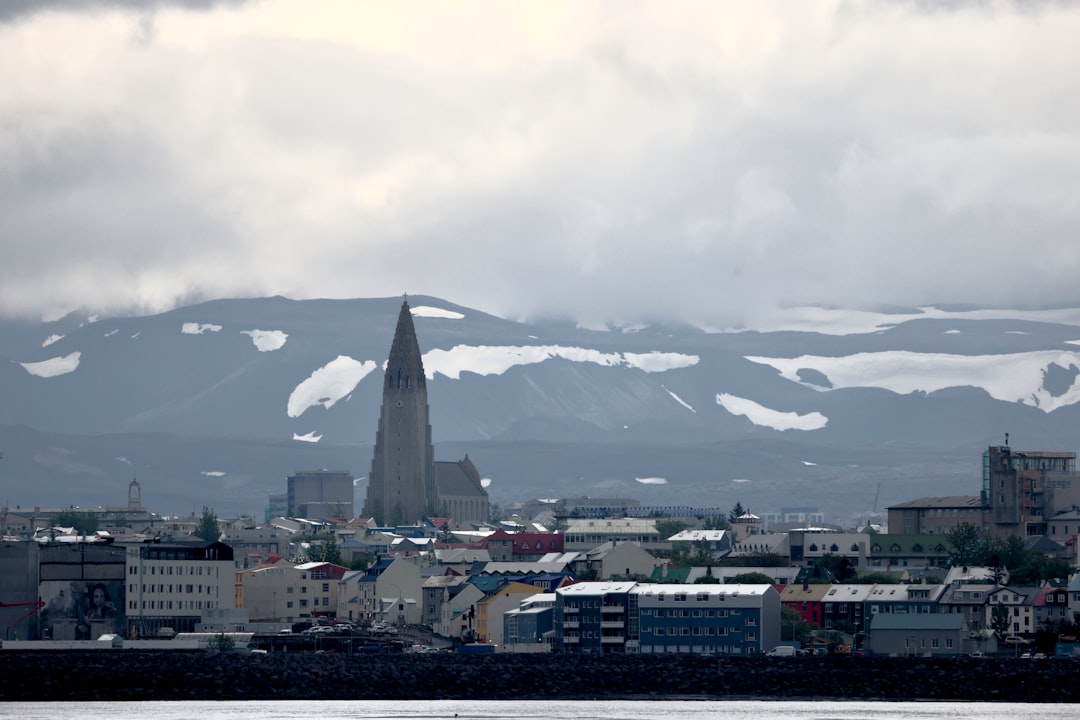
Iceland's government proposed on Thursday that voters decide whether to resume European Union membership talks on August 29, marking a potential reversal after the North Atlantic nation withdrew its application 13 years ago.
The referendum proposal signals a remarkable shift in Icelandic sentiment toward the EU — and underscores how dramatically European integration's appeal has changed in the post-Brexit, post-Trump world.
Reykjavík formally applied for EU membership in 2009 following the devastating financial crisis that collapsed Iceland's banking system. But the application was frozen in 2013 under a center-right government, and formally withdrawn in 2015, as Eurosceptic sentiment prevailed and the economy recovered.
Now, more than a decade later, security concerns and economic uncertainty are driving a reassessment. The proposal comes from Iceland's left-green coalition government, which has been exploring renewed engagement with Brussels amid growing anxiety about geopolitical instability.
Brussels decides more than you think — and Reykjavík is reconsidering whether it wants a seat at that table.
The timing is instructive. Iceland, a NATO member since its founding but never part of the EU, has watched as Russia's war in Ukraine reshapes European security architecture. The nation's strategic location in the North Atlantic — controlling key sea lanes between Europe and North America — has taken on renewed significance as Arctic geopolitics intensifies.
Then there's the Donald Trump factor. The former and now-current U.S. president's unpredictable approach to transatlantic relations and NATO commitments has left smaller European nations questioning whether American security guarantees remain reliable. For Iceland, which hosts no standing military and depends entirely on NATO for defense, that uncertainty concentrates the mind.
The economic calculus has shifted as well. Iceland already participates in the EU single market through the European Economic Area agreement, accepting most EU regulations without having any say in writing them. Actual membership would grant voting rights on rules Icelandic businesses already follow — what EU-speak calls rather than mere